News Center
Shandong Zhensure New Materials Technology Industry Co., Ltd.


 TEL:+86 19953115220


Artificial grass is a low-maintenance alternative to natural grass, but regular care can help keep it clean, attractive, and functional for many years. Whether used in gardens, sports areas, or pet spaces, a few simple maintenance steps are usually enough.
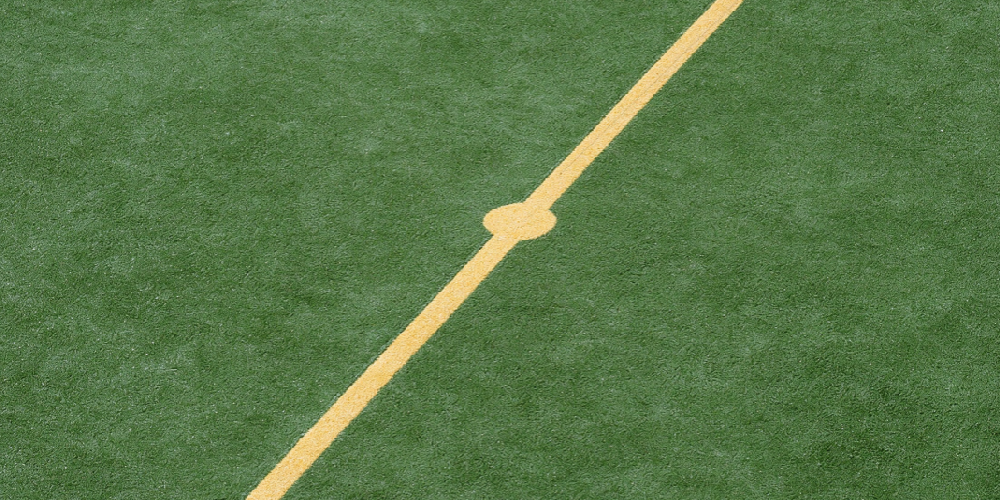
Regularly remove leaves, twigs, dust, and other debris using a leaf blower, soft rake, or stiff brush. This helps keep the surface clean and prevents debris from accumulating between the grass blades.
Occasionally rinse synthetic grass with a hose to remove dust, pollen, and dirt. For stains, use mild detergent and water with a soft brush or cloth, then rinse thoroughly. Avoid harsh chemicals that may damage the grass fibers.
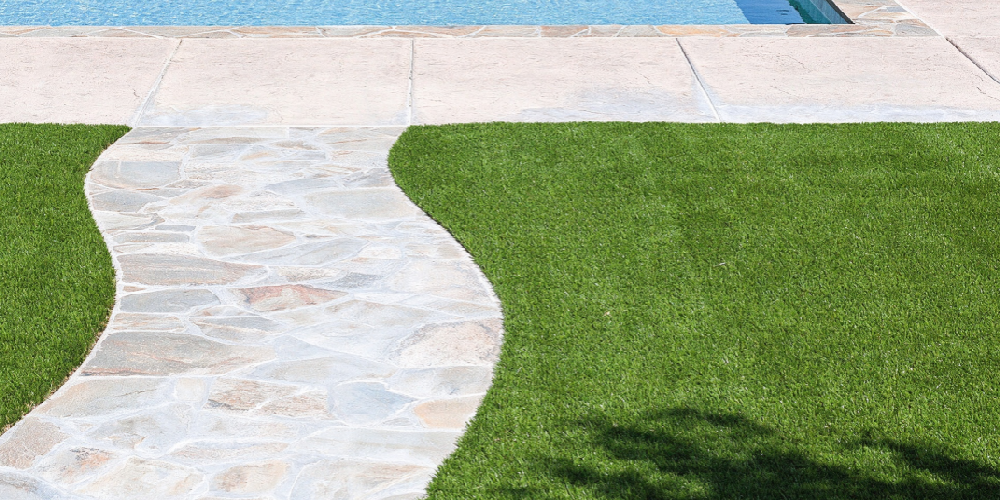
For pet-friendly artificial turf, remove solid waste regularly and rinse areas where pets urinate. A suitable artificial grass cleaner or a mild vinegar-and-water solution can help control unwanted odors.
Regular brushing helps keep the grass fibers upright and prevents matting, especially in high-traffic areas. Use a stiff plastic rake, hard-bristled broom, or suitable power brush and brush against the natural direction of the fibers.
Keep sharp objects, burning materials, and excessive heat away from artificial turf. Furniture and heavy equipment should not remain in the same position for long periods, as they may flatten the grass or damage the backing.
Good drainage is essential for the long-term performance of artificial grass. Check the surface regularly for standing water, damaged areas, or loose seams. Addressing small problems early can help prevent more costly repairs.
Artificial grass requires much less maintenance than natural grass, but regular cleaning, brushing, proper drainage, and timely inspections can help maintain its appearance and extend its service life. With simple routine care, synthetic grass can remain clean, attractive, and functional for many years.
Artificial grass is a low-maintenance alternative to natural grass, but regular care can help keep it clean, attractive, and functional for many years. Whether used in gardens, sports areas, or pet spaces, a few simple maintenance steps are usually enough.
Despite these improvements, several outdated ideas about synthetic grass are still common. Here are 10 artificial grass myths that are worth understanding before choosing a product.
Choosing artificial grass is not simply about selecting a color or grass height. Different applications require different specifications, and factors such as pile height, density, backing, drainage, yarn shape, and installation conditions can directly affect the service life and performance of synthetic turf.
From residential gardens and balconies to commercial landscapes and pet areas, artificial grass can be adapted to a wide range of applications. Here are ten important reasons why more property owners are considering artificial grass.
When researching synthetic lawn products, buyers often come across the terms Artificial Grass and Artificial Turf. These two expressions are sometimes used to describe different products, while in many cases they refer to the same general category of synthetic grass. The actual difference usually depends more on the intended application and product specifications than on the name itself.