News Center
Shandong Zhensure New Materials Technology Industry Co., Ltd.


 TEL:+86 19953115220


When researching synthetic lawn products, buyers often come across the terms Artificial Grass and Artificial Turf. These two expressions are sometimes used to describe different products, while in many cases they refer to the same general category of synthetic grass. The actual difference usually depends more on the intended application and product specifications than on the name itself.
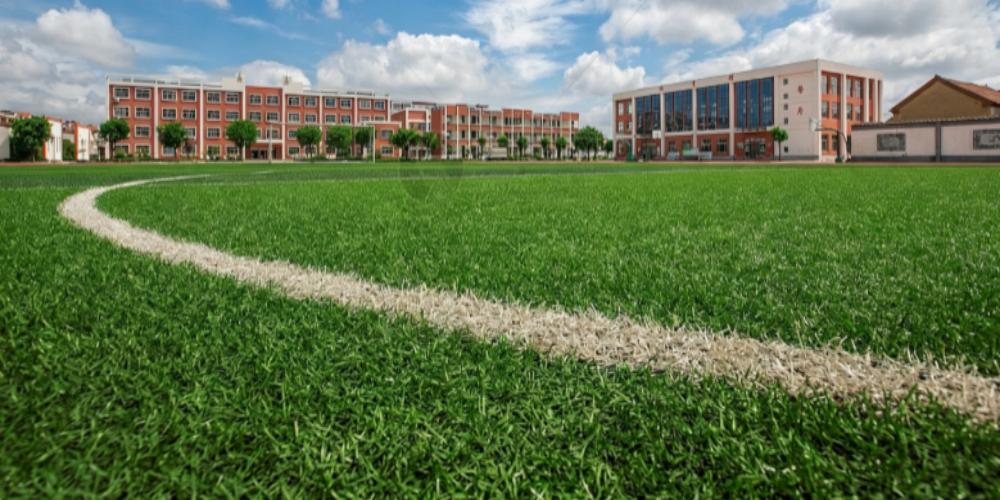
Artificial Turf for Sports and High-Traffic Areas
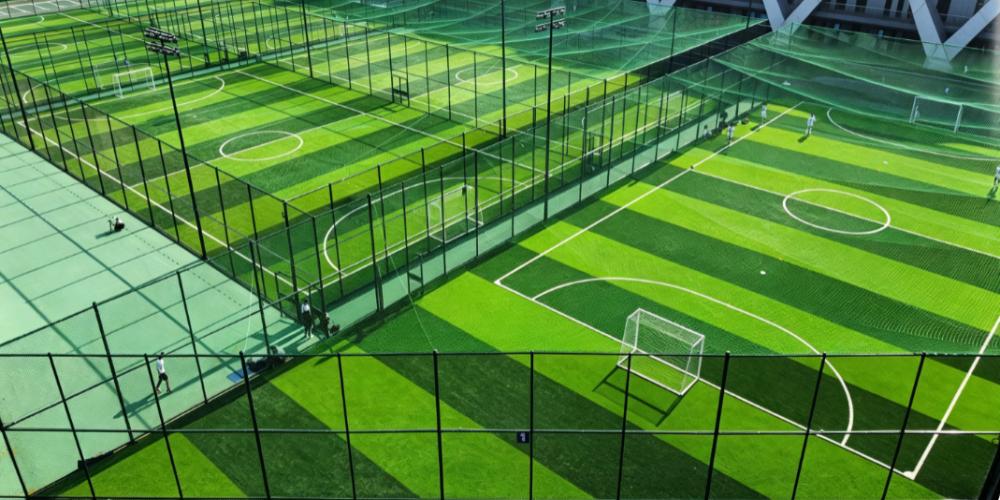
Artificial turf is commonly associated with sports applications because it is designed to withstand intensive use and repeated foot traffic. Sports turf systems are engineered to provide a consistent playing surface while maintaining durability during training, competitions, and everyday activities.
Football fields, soccer pitches, rugby grounds, hockey fields, and other athletic facilities may use specialized artificial turf with specific pile heights, yarn structures, backing systems, and shock-absorption requirements.
For these applications, performance is generally more important than simply achieving the appearance of natural grass. Factors such as ball behavior, traction, resilience, drainage, and wear resistance can all influence the choice of turf.
Artificial Grass for Landscaping and Everyday Outdoor Use
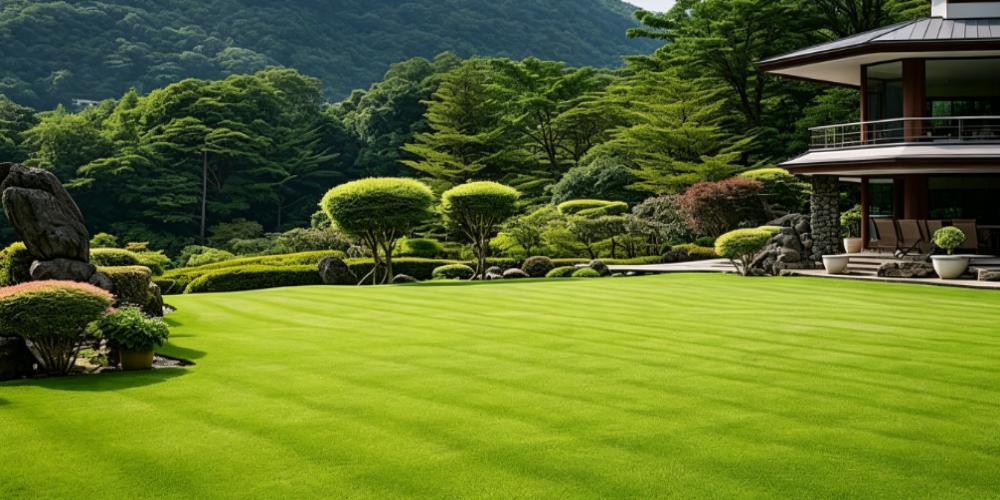
Artificial grass is more frequently associated with landscaping, residential gardens, commercial properties, balconies, rooftops, and decorative outdoor areas.
The primary goal is often to create a green and attractive environment throughout the year without the regular maintenance required by natural lawns. Modern synthetic grass can feature different blade shapes, colors, pile heights, and densities to create anything from a short, neat lawn to a soft and natural-looking garden surface.
Is Artificial Turf a Type of Artificial Grass?
Another way to understand the terminology is to consider artificial grass as a broad product category. Under this definition, artificial turf can be regarded as one type of synthetic grass developed for particular applications.
For example, a short-pile product designed for a football field and a softer landscaping product may both be manufactured from synthetic yarns, but their structures and performance characteristics can be very different.
Therefore, the terms Artificial Turf, Artificial Grass, and Synthetic Grass should not always be treated as completely separate product categories. In international markets, suppliers and buyers frequently use these terms interchangeably.
Choose Artificial Grass According to Your Application
Instead of focusing only on whether a product is called artificial turf or artificial grass, buyers should first determine how and where the product will be used.
A football field requires different performance characteristics from a residential garden, while a pet area may require stronger drainage and easier cleaning. Likewise, a decorative landscaping project may place greater emphasis on softness, density, color variation, and natural appearance.
The right Artificial Grass product should therefore be selected according to application, climate, traffic level, installation method, expected service life, and budget. By comparing these technical factors, buyers can choose a Synthetic Grass solution that provides the right balance of appearance, performance, durability, and maintenance requirements.
When researching synthetic lawn products, buyers often come across the terms Artificial Grass and Artificial Turf. These two expressions are sometimes used to describe different products, while in many cases they refer to the same general category of synthetic grass. The actual difference usually depends more on the intended application and product specifications than on the name itself.
Artificial grass has developed into a practical alternative to natural turf for residential, commercial, recreational, and pet areas.
Artificial turf offers an alternative for homeowners, commercial property owners, and landscape designers who desire evergreen outdoor spaces and reduced daily resource consumption.
Artificial turf is now widely used in sports facilities, residential landscaping, commercial spaces, and public areas. Different application environments have different requirements for the durability, softness, drainage performance, and safety of the turf.
Manybuyersassumehigherdensitymeansbetterquality Infact,Artificialturfheightanddensitymainlyaffectprice–morematerialcostsmore QualitydependsondurabilityandUVstability,notjustthesenumbers ForSportsFieldsFootballpitchestypicallyuse50mmpileheightwith9,450stitches m²–monofilamentturf Afterinfill,th