News Center
Shandong Zhensure New Materials Technology Industry Co., Ltd.


 TEL:+86 19953115220


Modern artificial grass comes in many styles, pile heights, colors, densities, backing structures, and performance levels. Depending on the application, it can be used for residential gardens, commercial landscaping, playgrounds, pet areas, balconies, rooftops, football fields, and many other projects.
Despite these improvements, several outdated ideas about synthetic grass are still common. Here are 10 artificial grass myths that are worth understanding before choosing a product.
1. Artificial Grass Is Only Suitable for Sports
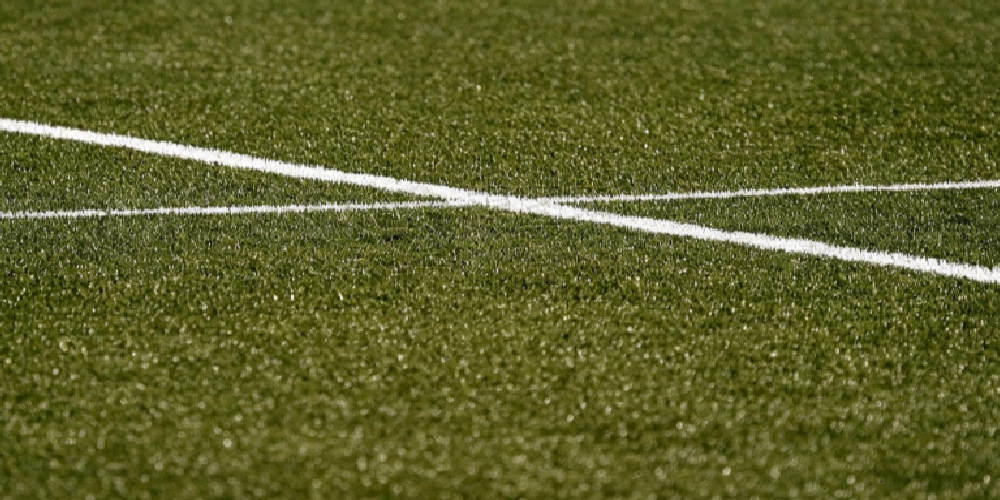
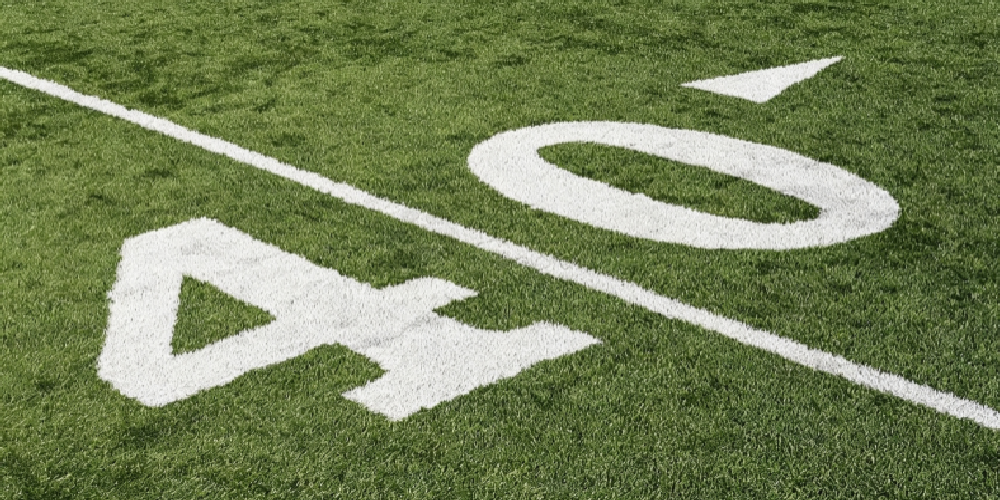
Sports fields were among the earliest large-scale applications of synthetic turf, but this is no longer its primary limitation.
Today, artificial grass is widely used for home lawns, gardens, balconies, rooftop spaces, playgrounds, pet areas, hotels, offices, commercial landscaping, and recreational facilities.
2. Artificial Grass Is Always Bad for the Environment
The environmental impact of artificial grass depends on how the product is manufactured, installed, used, and eventually disposed of. It is therefore too simplistic to describe all synthetic turf as either environmentally friendly or harmful.
One potential advantage is reduced routine lawn maintenance. Artificial grass does not need regular mowing and can significantly reduce the use of lawn equipment, fuel, fertilizers, herbicides, and pesticides.
In areas where water conservation is important, replacing part of a traditional lawn with synthetic grass may also reduce irrigation requirements. However, proper end-of-life recycling and responsible disposal should also be considered when evaluating the overall environmental impact.
3. Artificial Grass Automatically Causes More Injuries
The type and quality of an artificial turf system matter considerably when it is used for sports.
Modern sports turf can be engineered with suitable pile height, infill, shock-absorbing properties, drainage layers, and installation systems. Injury risk is influenced by many factors, including footwear, playing conditions, surface hardness, maintenance, and athlete behavior.
Therefore, it is not accurate to assume that simply playing on artificial grass will automatically result in more injuries than playing on natural grass.
4. All Artificial Grass Products Are Basically the Same
This is one of the most common misconceptions.
Artificial grass can vary considerably in:
Pile height
Blade shape
Yarn type
Density
Color combinations
Backing structure
UV resistance
Drainage performance
Softness
Durability
Intended application
A 25 mm pet turf, a 35 mm garden product, and a football field system can have completely different designs.
When comparing suppliers, buyers should look beyond appearance and evaluate the technical specifications as well.
5. Artificial Grass Does Not Drain Properly
Modern artificial grass can be designed with drainage performance as a key consideration.
Many products use perforated backing, while the underlying aggregate base and drainage system help water move away from the surface.
6. Artificial Grass Is Always More Expensive
The initial purchase and installation cost of artificial grass can be higher than seeding or installing natural sod.
However, the total cost should be considered over the expected service life. Natural lawns normally require regular mowing, watering, fertilization, weed control, and other maintenance.
Artificial grass generally requires much less routine care. For many residential and commercial applications, this can reduce long-term maintenance time and operating costs.
7. Artificial Grass Becomes Unbearably Hot
Synthetic grass can become warmer than natural grass when exposed to strong sunlight. This is a real consideration, particularly in hot climates.
However, temperature can be managed through appropriate product selection, site design, shading, and occasional watering. Some modern turf systems are also designed with features intended to improve heat management.
8. Artificial Grass Will Always Smell If You Have Pets
Pet areas require proper cleaning regardless of whether the surface is natural or synthetic.
Artificial grass designed for pets can provide useful drainage and can be rinsed with water to remove urine residue and other contaminants. A suitable installation base also helps liquids move away from the surface.
For areas with frequent pet use, regular removal of solid waste and occasional rinsing are important. Some projects may also use additional cleaning products or deodorizing solutions specifically designed for synthetic turf.
9. Artificial Grass Limits Your Landscaping Ideas
Artificial grass does not mean giving up creative landscaping.
It can be combined with trees, flowers, shrubs, decorative stones, pathways, patios, decking, outdoor furniture, and other landscape elements.
10. Artificial Grass Requires Zero Maintenance
“Maintenance-free” is an attractive marketing phrase, but it is more accurate to describe artificial grass as low maintenance.
Leaves, dirt, pollen, and other debris can accumulate on the surface and should be removed periodically. Pet areas may require more frequent cleaning, while high-traffic areas may need brushing to keep the blades standing upright.
Despite these improvements, several outdated ideas about synthetic grass are still common. Here are 10 artificial grass myths that are worth understanding before choosing a product.
Choosing artificial grass is not simply about selecting a color or grass height. Different applications require different specifications, and factors such as pile height, density, backing, drainage, yarn shape, and installation conditions can directly affect the service life and performance of synthetic turf.
From residential gardens and balconies to commercial landscapes and pet areas, artificial grass can be adapted to a wide range of applications. Here are ten important reasons why more property owners are considering artificial grass.
When researching synthetic lawn products, buyers often come across the terms Artificial Grass and Artificial Turf. These two expressions are sometimes used to describe different products, while in many cases they refer to the same general category of synthetic grass. The actual difference usually depends more on the intended application and product specifications than on the name itself.
Artificial grass has developed into a practical alternative to natural turf for residential, commercial, recreational, and pet areas.