News Center
Shandong Zhensure New Materials Technology Industry Co., Ltd.


 TEL:+86 19953115220


From residential gardens and balconies to commercial landscapes and pet areas, artificial grass can be adapted to a wide range of applications. Here are ten important reasons why more property owners are considering artificial grass.
1. A Green Lawn Throughout the Year
One of the biggest advantages of artificial grass is its consistent appearance. Synthetic grass, on the other hand, maintains its green appearance regardless of seasonal changes.
This makes it a practical choice for homeowners who want an attractive outdoor space without constantly worrying about weather conditions. With the right product and proper installation, an artificial lawn can provide a neat and uniform appearance throughout the year.
2. Less Lawn Maintenance
Artificial grass significantly reduces these routine tasks. In most residential applications, basic maintenance mainly involves removing leaves and other debris, brushing the surface when necessary, and occasionally rinsing it with water.
For busy homeowners, property managers, and commercial businesses, this can make outdoor maintenance much easier.
3. Lower Water Consumption
Reducing unnecessary lawn irrigation can also be beneficial for properties looking for more water-conscious landscaping solutions.
4. More Time for Other Activities
Maintaining a traditional lawn can become a weekly responsibility. During the growing season, homeowners may spend hours cutting grass, removing weeds, watering plants, and repairing damaged areas.
Artificial grass allows property owners to spend less time on routine lawn care and more time enjoying their outdoor spaces.
5. A Cleaner Outdoor Environment
Many artificial grass systems are designed with drainage backing that allows rainwater to pass through efficiently when installed correctly. This can help reduce muddy areas and create a cleaner surface for everyday use.
For gardens, patios, children's play areas, and pet spaces, good drainage is an important feature to consider when selecting synthetic grass.
6. Suitable for Pet-Friendly Areas
Artificial grass can be an excellent option for homes with dogs and other pets. Unlike natural turf, it will not develop brown patches simply because a dog regularly uses the same area.
For pet owners, choosing a product with suitable drainage, durable backing, and an appropriate pile height is especially important.
7. Fewer Problems with Weeds and Lawn Diseases
Artificial grass does not grow like natural turf, so common lawn-growth problems are greatly reduced. There is no need to reseed bare patches or worry about grass dying because of seasonal changes.
This makes synthetic grass particularly useful for areas where maintaining healthy natural turf is difficult.
8. Works in Difficult Landscaping Areas
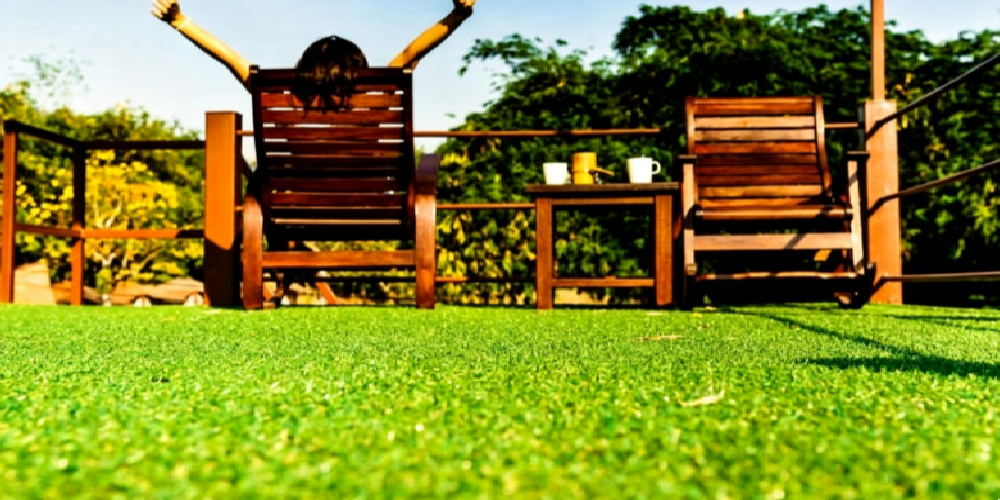
Artificial grass can be installed in many locations where natural grass may struggle. It is commonly used for small gardens, rooftops, balconies, terraces, shaded areas, playground surroundings, and other landscaping projects.
9. Reduced Use of Lawn Chemicals
Artificial grass does not require fertilizer or regular weed-control treatments to remain green. This can be particularly attractive to homeowners who prefer a low-maintenance outdoor environment.
It is still important to choose quality synthetic turf from a reliable manufacturer and follow the recommended cleaning and maintenance guidelines.
10. Long-Term Value and Versatile Applications
Artificial grass is not limited to traditional residential lawns. Today, synthetic turf is used in many different environments, including gardens, balconies, playgrounds, pet areas, hotels, offices, commercial properties, and recreational spaces.
From residential gardens and balconies to commercial landscapes and pet areas, artificial grass can be adapted to a wide range of applications. Here are ten important reasons why more property owners are considering artificial grass.
When researching synthetic lawn products, buyers often come across the terms Artificial Grass and Artificial Turf. These two expressions are sometimes used to describe different products, while in many cases they refer to the same general category of synthetic grass. The actual difference usually depends more on the intended application and product specifications than on the name itself.
Artificial grass has developed into a practical alternative to natural turf for residential, commercial, recreational, and pet areas.
Artificial turf offers an alternative for homeowners, commercial property owners, and landscape designers who desire evergreen outdoor spaces and reduced daily resource consumption.
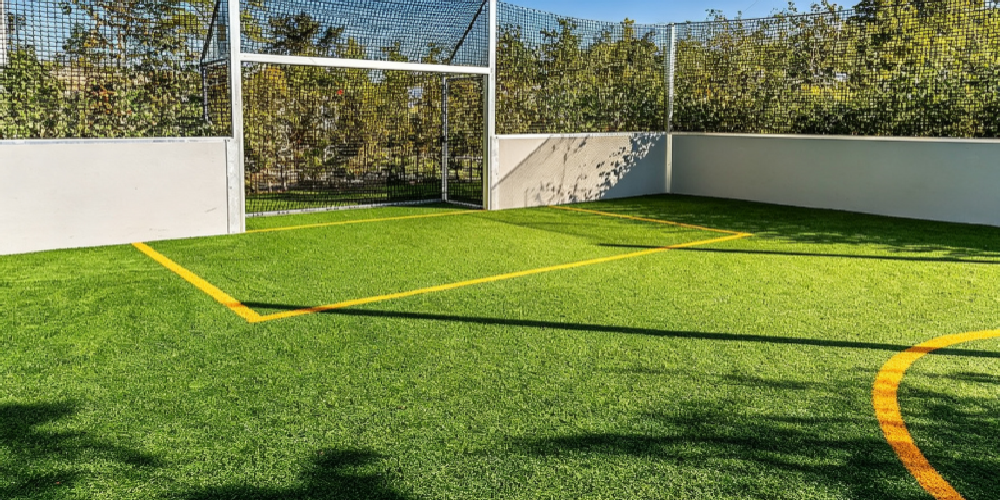
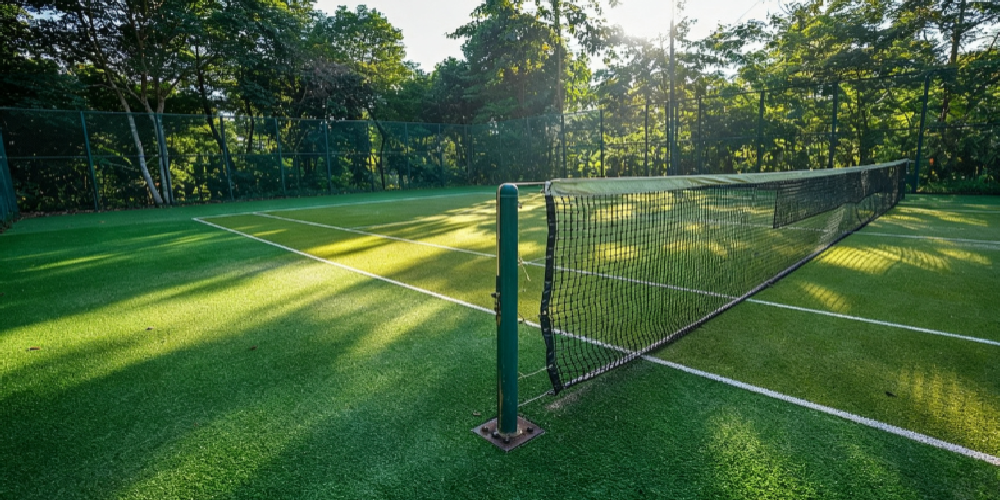
Artificial turf is now widely used in sports facilities, residential landscaping, commercial spaces, and public areas. Different application environments have different requirements for the durability, softness, drainage performance, and safety of the turf.