News Center
Shandong Zhensure New Materials Technology Industry Co., Ltd.


 TEL:+86 19953115220


Artificial turf is now widely used in sports facilities, residential landscaping, commercial spaces, and public areas. Different application environments have different requirements for the durability, softness, drainage performance, and safety of the turf.
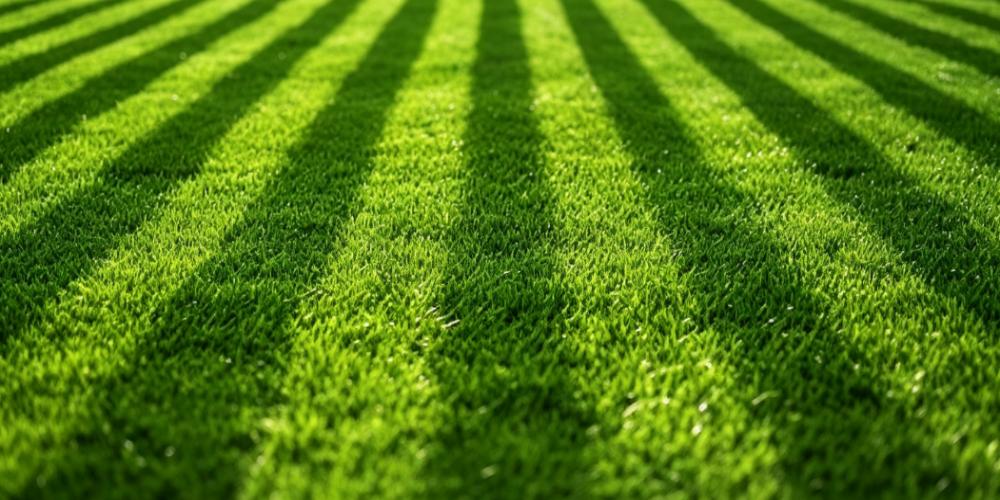
1. Sports Fields: Balancing Performance and Durability
For sports fields, the quality of artificial turf directly affects athletes' performance and safety. Key factors include:
Excellent elasticity: Helps reduce the impact on joints and muscles when athletes run and fall.
Suitable friction: Ensures better control of movement and prevents slips.
Good ball response: Especially important for football fields, as the height, density, and surface structure of the turf affect the ball's rolling speed.
Strong abrasion resistance: Enables the field to withstand frequent use and high-intensity activities.
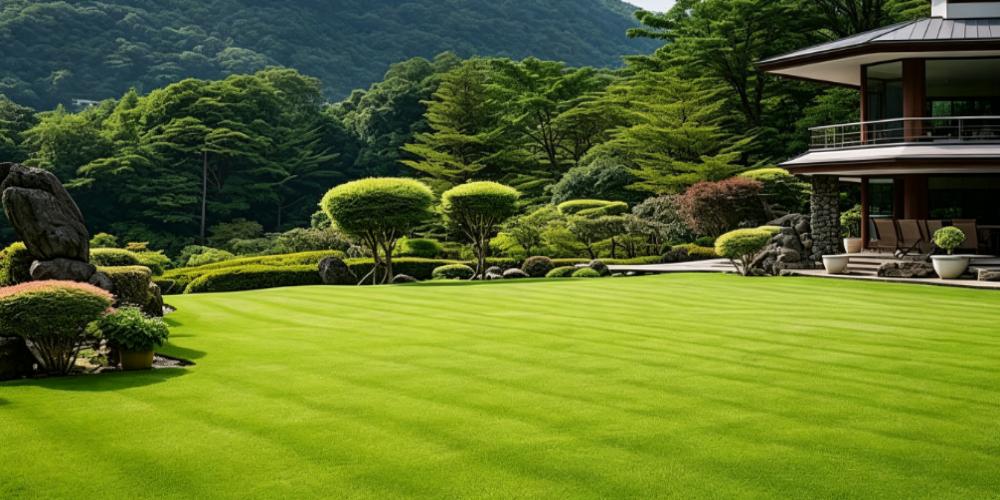
2. Residential and Recreational Areas: Creating Comfortable Green Spaces
For recreational spaces, customers typically prioritize the following:
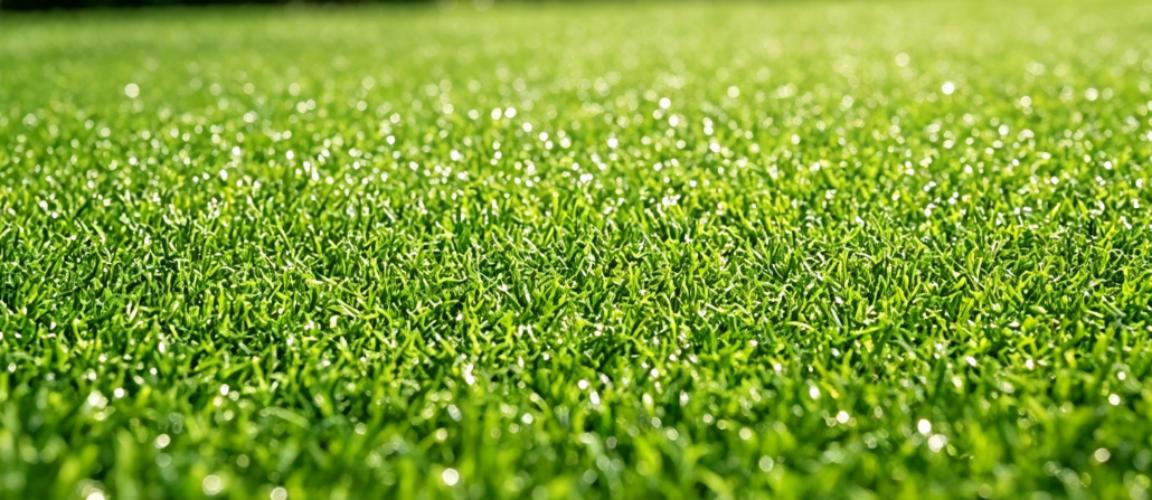
Natural appearance and soft touch
Comfortable walking experience
Easy to clean and maintain
Long-lasting color stability
3. Commercial and Decorative Applications: Enhancing Visual Appeal
Artificial turf is also commonly used in commercial environments, including shopping malls, hotels, restaurants, exhibition halls, and event venues.
In these settings, artificial turf is primarily used to create a natural atmosphere and enhance visual appeal. Typical applications include:
Indoor landscaping
Booth backdrops
Brand display areas
Outdoor commercial gardens
Temporary event decoration
How to Choose the Right Artificial Turf?
Different application areas require different turf specifications. Before purchasing, customers should consider the following factors:
1. Purpose of Use
Sports fields require specialized performance, while gardens and landscaped areas prioritize aesthetics and comfort.
2. Foot Traffic
High-traffic areas require turf with stronger wear resistance and better resilience.
3. Installation Environment
Outdoor areas should consider UV resistance, drainage performance, and weather resistance. 4. Professional Supplier Support
For large-scale projects, choosing an experienced artificial turf supplier can provide more comprehensive solutions, including design planning, product selection, installation guidance, and after-sales service.
Artificial grass is a low-maintenance alternative to natural grass, but regular care can help keep it clean, attractive, and functional for many years. Whether used in gardens, sports areas, or pet spaces, a few simple maintenance steps are usually enough.
Despite these improvements, several outdated ideas about synthetic grass are still common. Here are 10 artificial grass myths that are worth understanding before choosing a product.
Choosing artificial grass is not simply about selecting a color or grass height. Different applications require different specifications, and factors such as pile height, density, backing, drainage, yarn shape, and installation conditions can directly affect the service life and performance of synthetic turf.
From residential gardens and balconies to commercial landscapes and pet areas, artificial grass can be adapted to a wide range of applications. Here are ten important reasons why more property owners are considering artificial grass.
When researching synthetic lawn products, buyers often come across the terms Artificial Grass and Artificial Turf. These two expressions are sometimes used to describe different products, while in many cases they refer to the same general category of synthetic grass. The actual difference usually depends more on the intended application and product specifications than on the name itself.