News Center
Shandong Zhensure New Materials Technology Industry Co., Ltd.


 TEL:+86 19953115220


When planning a project, it helps to know that Artificial turf is not one‑size‑fits‑all. Different usage areas demand specific features – from high‑impact sports to gentle playgrounds and decorative displays. Understanding these categories ensures you choose the right product for your needs.
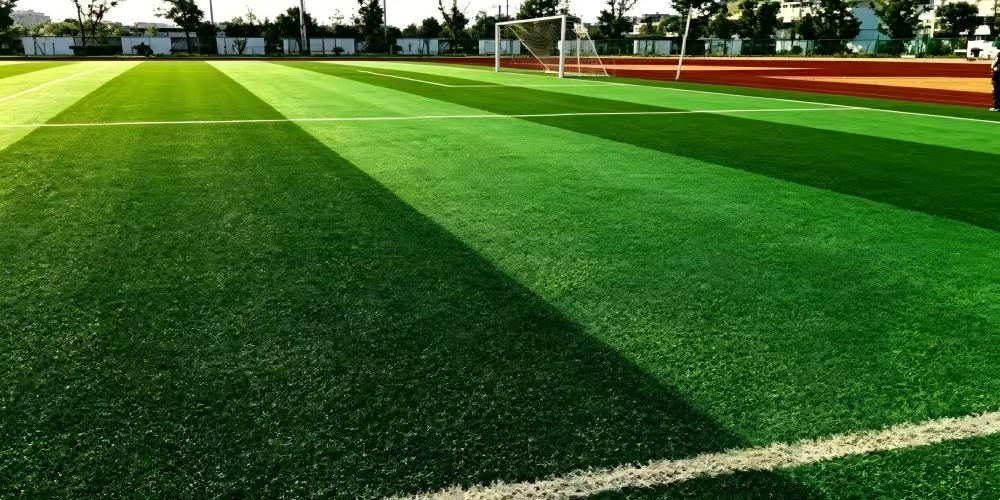
For Sports Use
Artificial turf is widely used on football, rugby, baseball, and tennis courts. These fields require excellent resilience, friction control, and ball roll consistency. Turf for running tracks and training zones also provides shock absorption, reducing injury risk during falls.
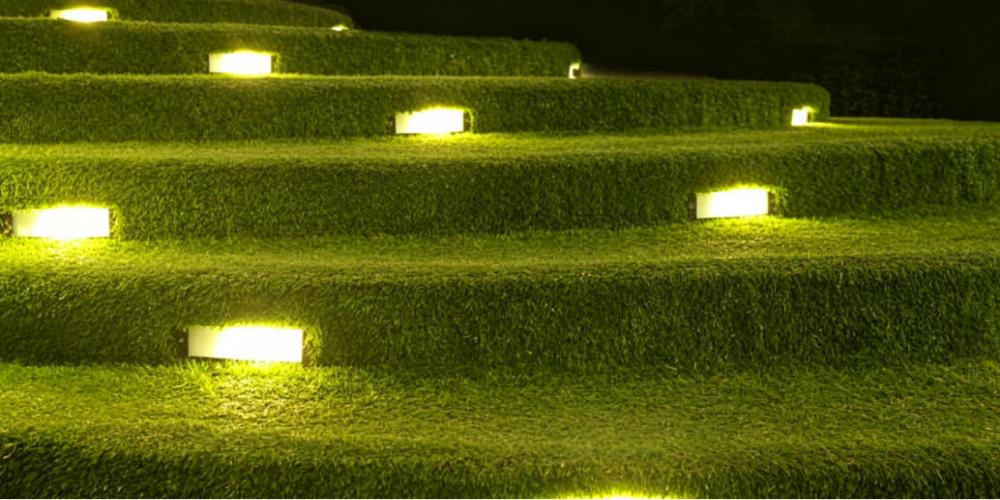
For Leisure & Landscaping
Parks, residential gardens, and community green spaces use turf mainly for comfort and aesthetics. Kindergarten play areas are a special case – they need extra softness and safety, with customizable patterns to encourage active play while protecting children.
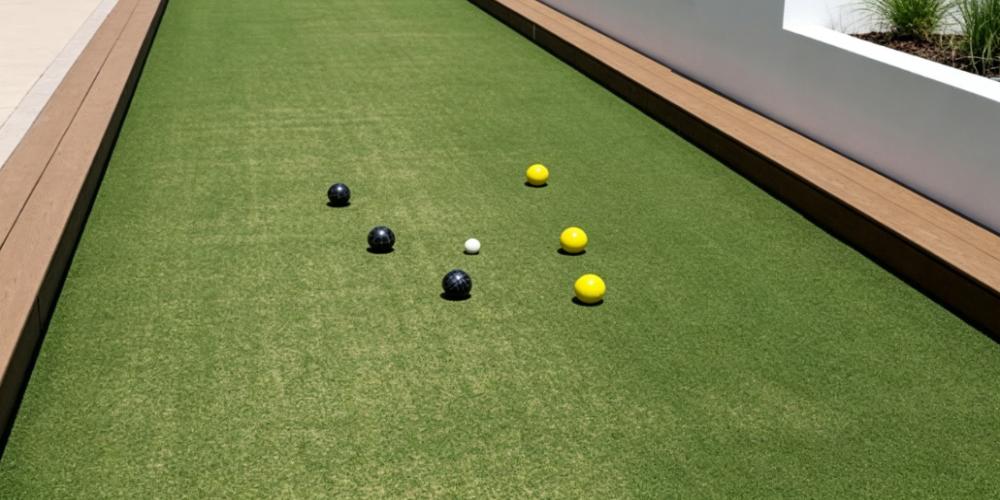
For Commercial & Decorative Spaces
Shopping malls and exhibition halls often install artificial turf around indoor landscapes or as temporary green displays. These areas prioritize visual appeal, easy cleaning, and a natural ambiance.
For large‑scale projects, choosing a full‑service supplier saves time and ensures consistency from design and materials to installation and after‑sales support.
At Zhensure, a leading Chinese factory exporting high‑quality artificial turf worldwide, we offer tailored solutions for every zone – sports, leisure, and commercial. Our products meet international safety and performance standards. With Zhensure, Artificial turf becomes a smart, durable choice for any application.
Artificial grass is a low-maintenance alternative to natural grass, but regular care can help keep it clean, attractive, and functional for many years. Whether used in gardens, sports areas, or pet spaces, a few simple maintenance steps are usually enough.
Despite these improvements, several outdated ideas about synthetic grass are still common. Here are 10 artificial grass myths that are worth understanding before choosing a product.
Choosing artificial grass is not simply about selecting a color or grass height. Different applications require different specifications, and factors such as pile height, density, backing, drainage, yarn shape, and installation conditions can directly affect the service life and performance of synthetic turf.
From residential gardens and balconies to commercial landscapes and pet areas, artificial grass can be adapted to a wide range of applications. Here are ten important reasons why more property owners are considering artificial grass.
When researching synthetic lawn products, buyers often come across the terms Artificial Grass and Artificial Turf. These two expressions are sometimes used to describe different products, while in many cases they refer to the same general category of synthetic grass. The actual difference usually depends more on the intended application and product specifications than on the name itself.