News Center
Shandong Zhensure New Materials Technology Industry Co., Ltd.


 TEL:+86 19953115220


When choosing a lawn surface, many wonder whether Artificial turf or natural grass is better. Artificial turf is made from polyethylene or polypropylene, UV‑stable, non‑toxic, and recyclable. It lasts 3‑8 years. Natural grass requires soil, sunlight, and constant care.
Key comparisons:
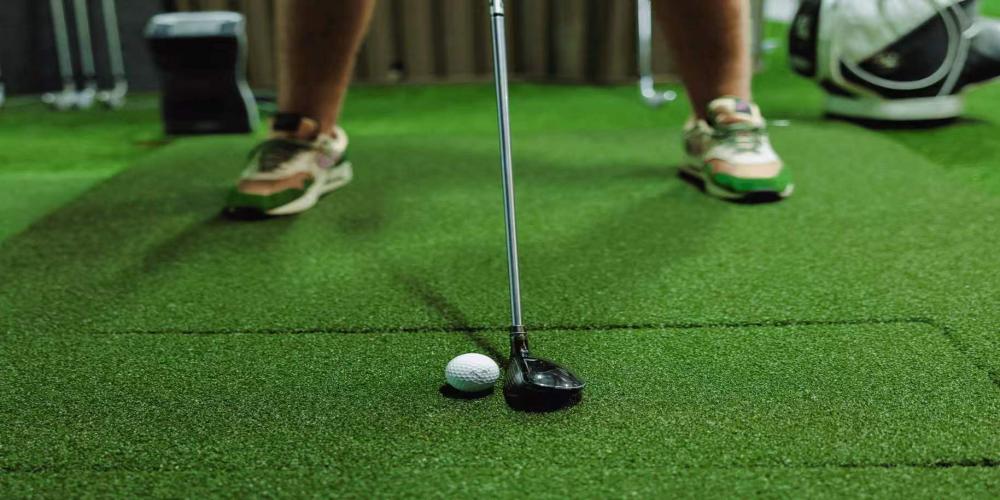
Usage: Artificial turf works anywhere – schools, parks, stadiums. Natural grass suits professional clubs or open‑air venues.
Weather: Turf handles rain, snow, heat; natural grass turns muddy in rain and dies in winter.
Installation: Turf rolls out quickly over concrete/asphalt; natural grass needs seeding, watering, mowing.
Maintenance: Turf is near‑zero – rain cleans it. Natural grass demands fertilizing, pest control, weekly mowing.
Cost: Turf has higher upfront but low long‑term; natural grass cheaper initially but requires frequent replacement.
Advantages of artificial turf:
Clean & hygienic – no bacteria or bare patches.
All‑weather – works in extreme climates.
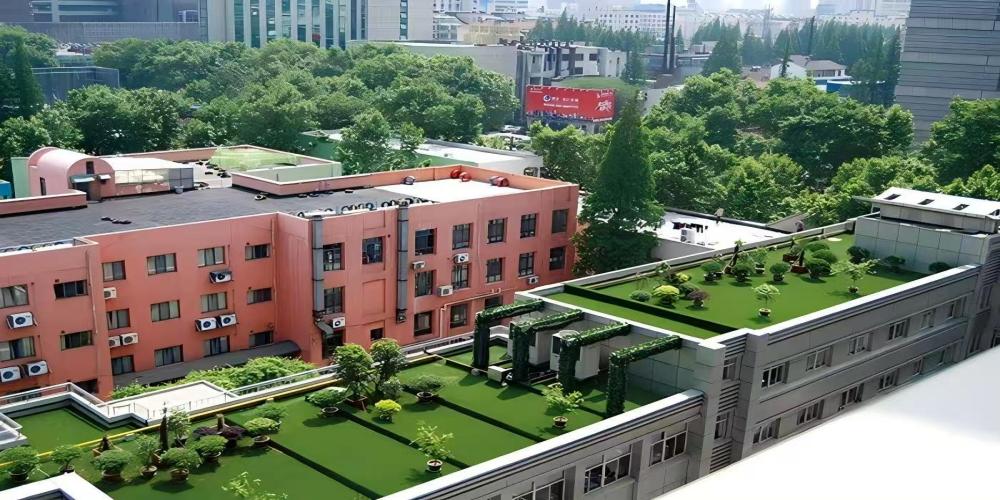
Versatile – gardens, rooftops, sports fields.
Easy install & drainage – dry in 50 minutes after heavy rain.
Durable – only 2‑3% fiber loss after heavy wear.
Safe – reduces impact and friction for athletes.
Low workload – only periodic checks.
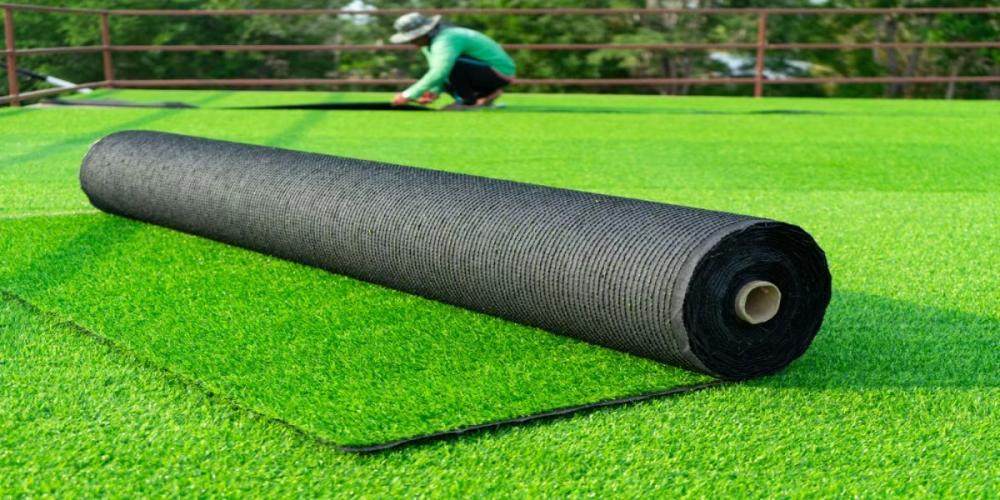
At Zhensure, we are a leading Chinese factory exporting premium artificial turf worldwide. Our products are UV‑stabilized, eco‑friendly, and built to last. Whether for a school playground or a professional stadium, Zhensure delivers quality at factory‑direct prices. Choose Artificial turf from Zhensure – a smart, long‑term investment that outperforms natural grass in every season.
Artificial grass is a low-maintenance alternative to natural grass, but regular care can help keep it clean, attractive, and functional for many years. Whether used in gardens, sports areas, or pet spaces, a few simple maintenance steps are usually enough.
Despite these improvements, several outdated ideas about synthetic grass are still common. Here are 10 artificial grass myths that are worth understanding before choosing a product.
Choosing artificial grass is not simply about selecting a color or grass height. Different applications require different specifications, and factors such as pile height, density, backing, drainage, yarn shape, and installation conditions can directly affect the service life and performance of synthetic turf.
From residential gardens and balconies to commercial landscapes and pet areas, artificial grass can be adapted to a wide range of applications. Here are ten important reasons why more property owners are considering artificial grass.
When researching synthetic lawn products, buyers often come across the terms Artificial Grass and Artificial Turf. These two expressions are sometimes used to describe different products, while in many cases they refer to the same general category of synthetic grass. The actual difference usually depends more on the intended application and product specifications than on the name itself.