News Center
Shandong Zhensure New Materials Technology Industry Co., Ltd.


 TEL:+86 19953115220


Constructing a football field requires careful planning and attention to detail. From site selection to final installation, every step influences the performance and longevity of the playing surface. For those considering a synthetic grass pitch, understanding the key factors ensures a successful project. Below, we outline three critical aspects of building a top‑quality Artificial turf football field.
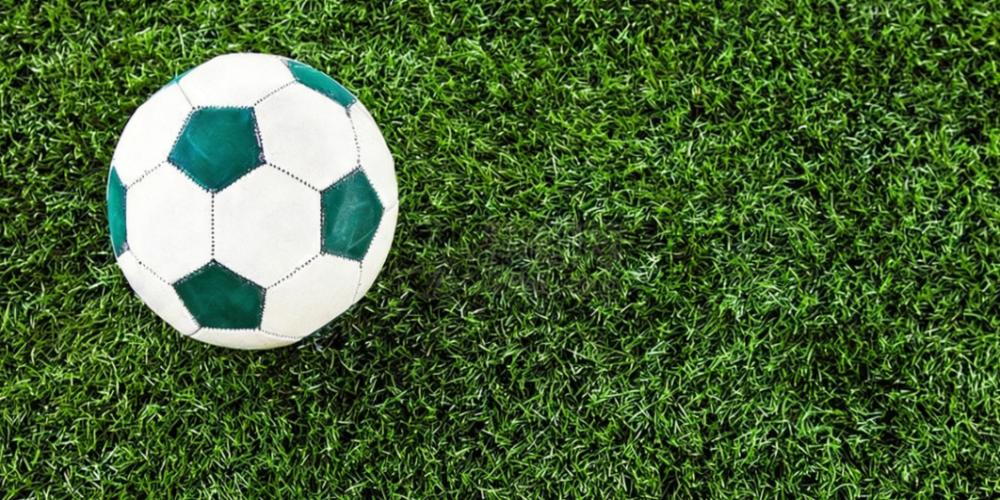
1. Site Selection and Base Preparation
The ideal location for a football field should have good sunlight, fresh air, and proper drainage—choose an elevated area that prevents water accumulation. The base can be made of concrete, asphalt, or compacted stone dust. It must be uniformly solid, smooth, and free of cracks, with a gentle slope to facilitate water runoff. A well‑prepared foundation guarantees the stability and flatness required for the artificial turf surface.
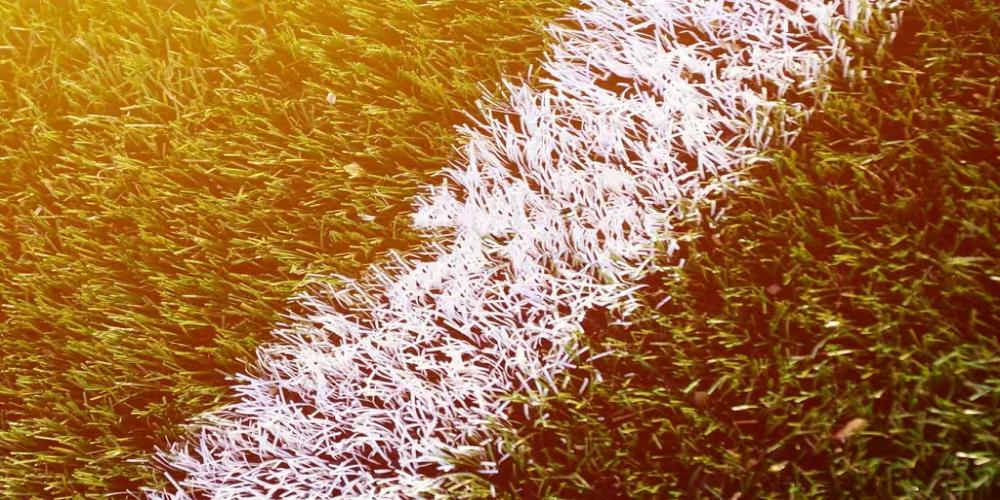
2. Choosing the Right Artificial Turf
The turf itself is the heart of the field. Today, many prefer needle‑punch or monofilament turf that requires no infill of sand or rubber granules. This “no‑fill” option reduces costs, enhances safety, and simplifies maintenance. When selecting turf, pay attention to brand reputation, technical specifications (pile height, density, UV resistance), and—most importantly—choose a manufacturer with proven experience and large‑scale production capacity.
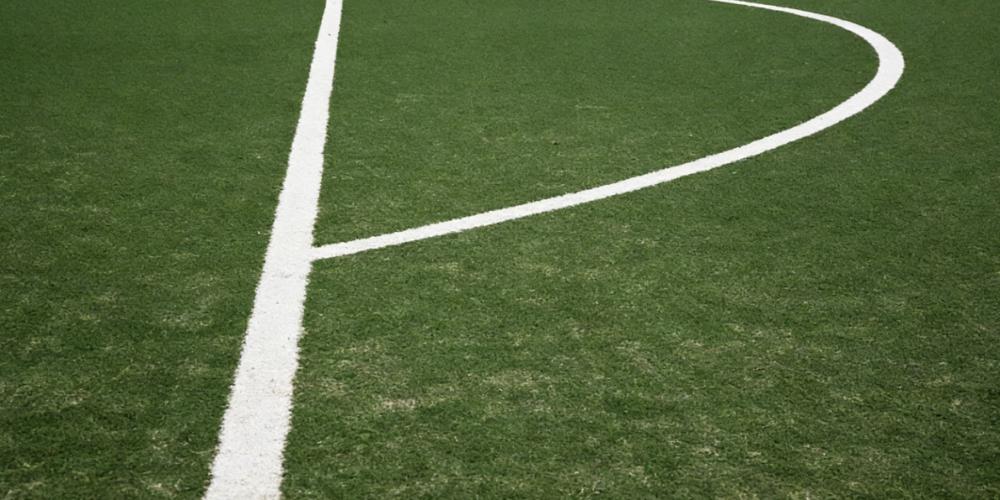
3. Professional Installation
Even the best materials can fail if installed poorly. Before installation begins, inspect the base for levelness and slope; any deficiencies must be corrected. Professional installation crews with the right tools and certifications are essential. They ensure proper seaming, tensioning, and anchoring, which directly affect the field’s appearance, comfort, and durability.
At Zhensure, we specialize in manufacturing premium artificial turf for football fields and other sports applications. As a leading Chinese factory with extensive export experience, we offer a wide range of high‑performance, no‑infill turf that meets international standards. Our products are rigorously tested for wear, UV stability, and player safety. Whether you are developing a community pitch or a professional stadium, Zhensure provides reliable, cost‑effective solutions tailored to your project’s needs. With our commitment to quality and innovation, Artificial turf from Zhensure helps you create a playing surface that athletes will enjoy for years to come.
Artificial grass is a low-maintenance alternative to natural grass, but regular care can help keep it clean, attractive, and functional for many years. Whether used in gardens, sports areas, or pet spaces, a few simple maintenance steps are usually enough.
Despite these improvements, several outdated ideas about synthetic grass are still common. Here are 10 artificial grass myths that are worth understanding before choosing a product.
Choosing artificial grass is not simply about selecting a color or grass height. Different applications require different specifications, and factors such as pile height, density, backing, drainage, yarn shape, and installation conditions can directly affect the service life and performance of synthetic turf.
From residential gardens and balconies to commercial landscapes and pet areas, artificial grass can be adapted to a wide range of applications. Here are ten important reasons why more property owners are considering artificial grass.
When researching synthetic lawn products, buyers often come across the terms Artificial Grass and Artificial Turf. These two expressions are sometimes used to describe different products, while in many cases they refer to the same general category of synthetic grass. The actual difference usually depends more on the intended application and product specifications than on the name itself.