News Center
Shandong Zhensure New Materials Technology Industry Co., Ltd.


 TEL:+86 19953115220


As Artificial turf gains popularity worldwide, more property developers, schools, and homeowners are choosing synthetic grass over natural lawns. Unlike real grass, which requires constant care and is vulnerable to weather and wear, artificial turf offers a range of practical benefits that make it ideal for today’s diverse applications. Below, we explore the key advantages that set artificial turf apart.
1. Health and Environmental Safety
Many parents worry about bacteria and pests in natural grass, which can pose risks to children who love to play outdoors. High-quality artificial turf provides a clean, hygienic surface that is free from harmful substances. It remains lush and green even after heavy use, eliminating the bare patches often seen on natural lawns.
2. All-Weather Durability
Artificial turf performs reliably in any climate. Whether in extreme heat, cold, or high altitudes, it maintains its appearance and functionality. This all-weather capability makes it a long-lasting investment for regions where natural grass struggles to survive.
3. Versatile Applications
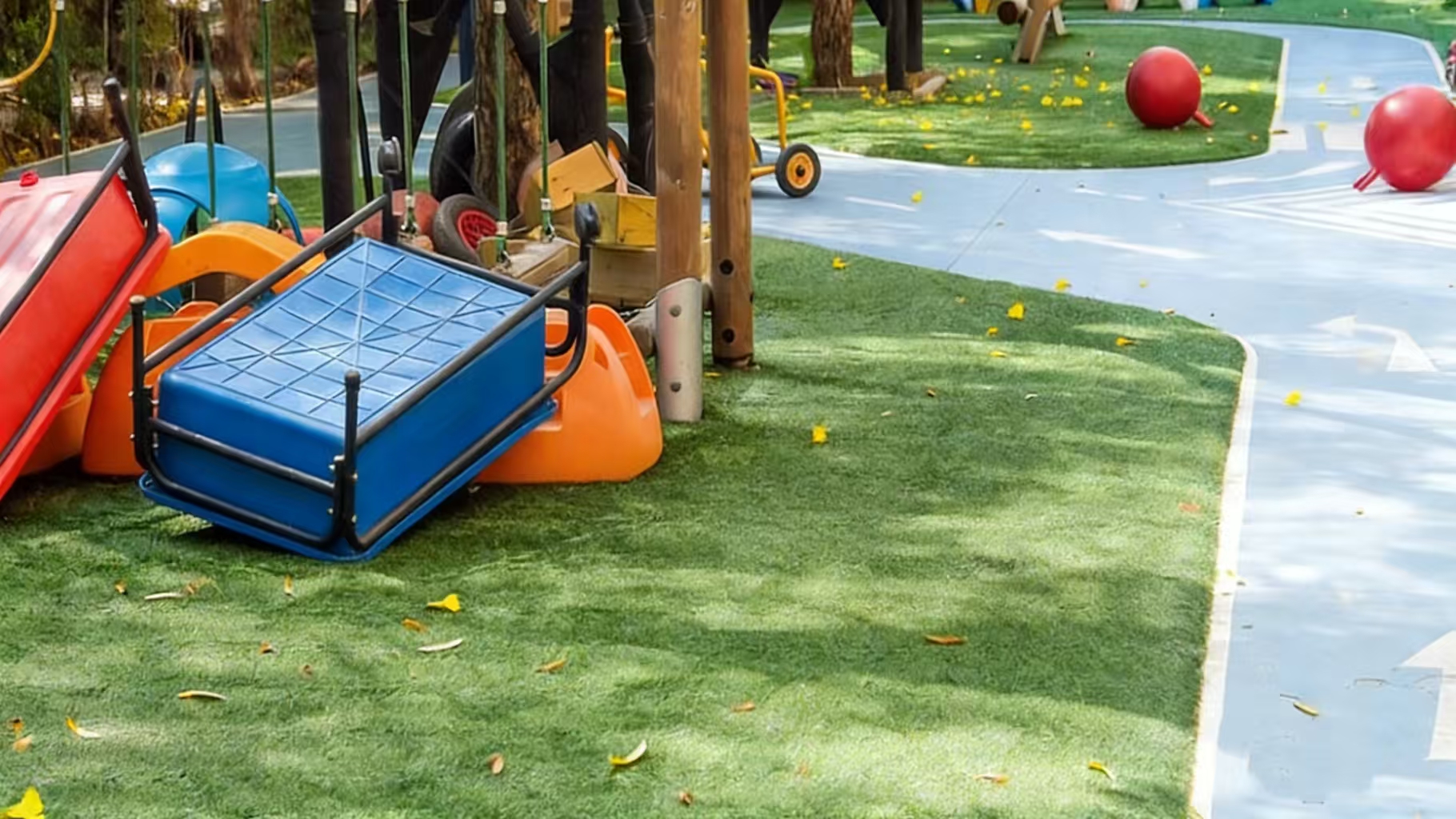
With vibrant, fade-resistant colors, artificial turf complements a wide range of environments. It is an excellent choice for sports fields, residential gardens, rooftop terraces, school playgrounds, and even vertical walls. Its adaptability allows it to blend seamlessly with architectural designs.
4. Easy Installation and Low Maintenance
Unlike natural grass, artificial turf requires no mowing, watering, or fertilizing. It can be installed over concrete or asphalt with minimal site preparation, making it especially suitable for schools and facilities with high usage. Its excellent drainage ensures quick drying after rain, while its耐磨 surface stands up to heavy traffic.
5. Superior Physical Performance
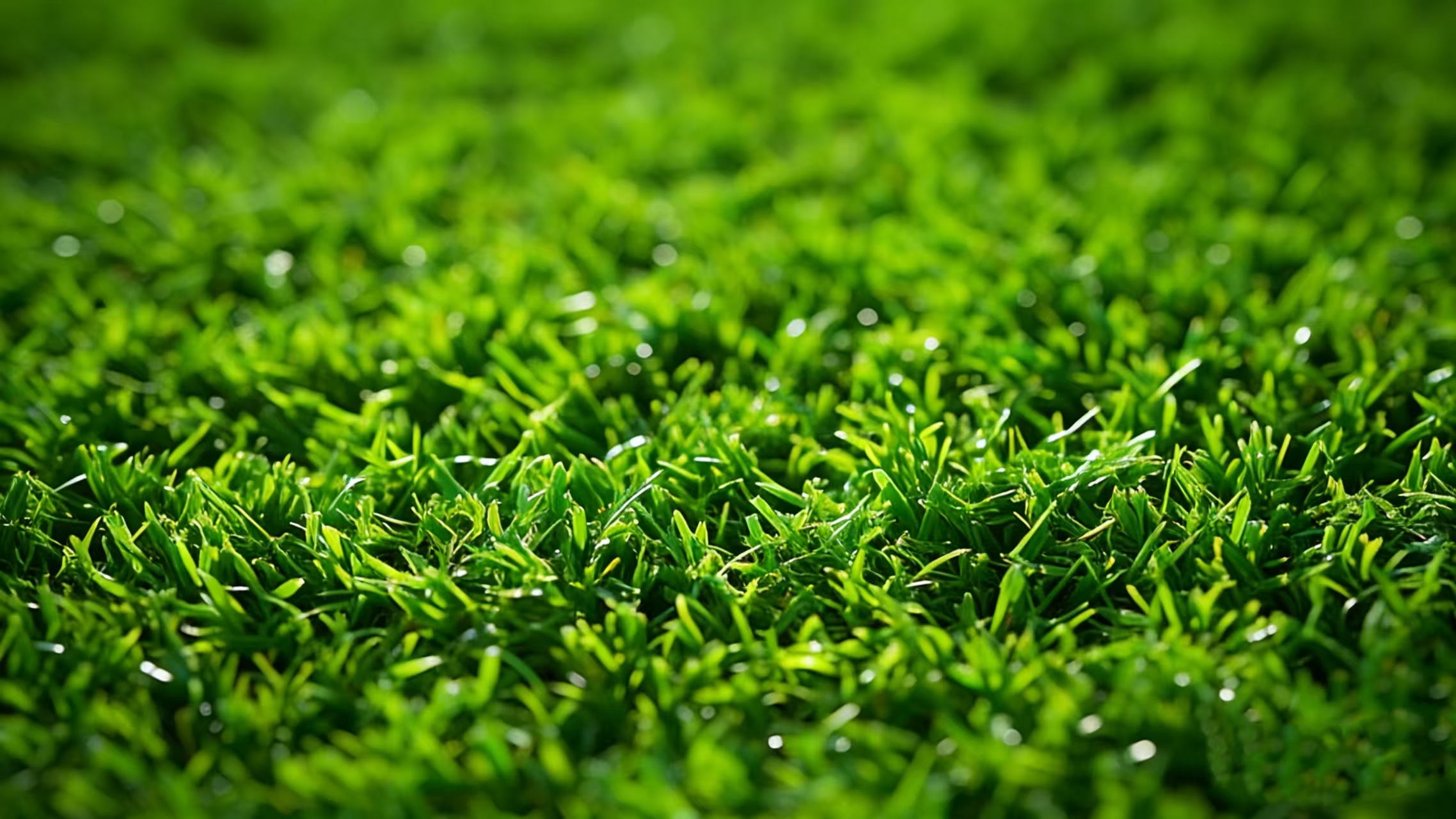
Engineered for resilience, artificial turf retains its shape and density even after intensive use. It offers high tensile strength, excellent elasticity, and rapid water drainage—typically clearing heavy rain within 50 minutes. These qualities ensure consistent performance year after year.
6. Enhanced Safety for Sports
For athletic applications, artificial turf is designed with user protection in mind. It reduces the risk of injuries by cushioning falls and minimizing friction, allowing athletes to perform confidently. The surface meets professional standards for traction and shock absorption.
7. Reduced Workload and Costs
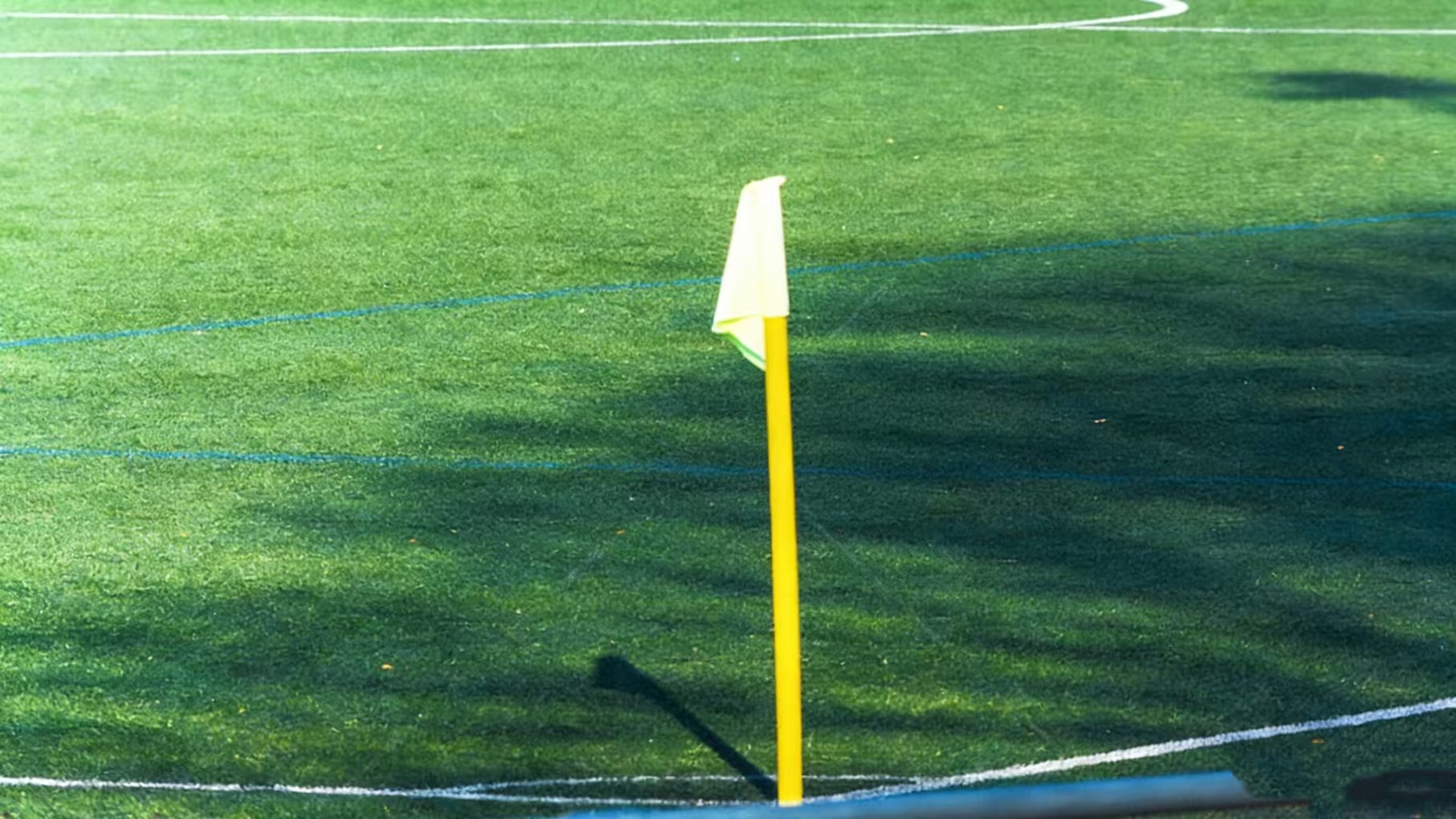
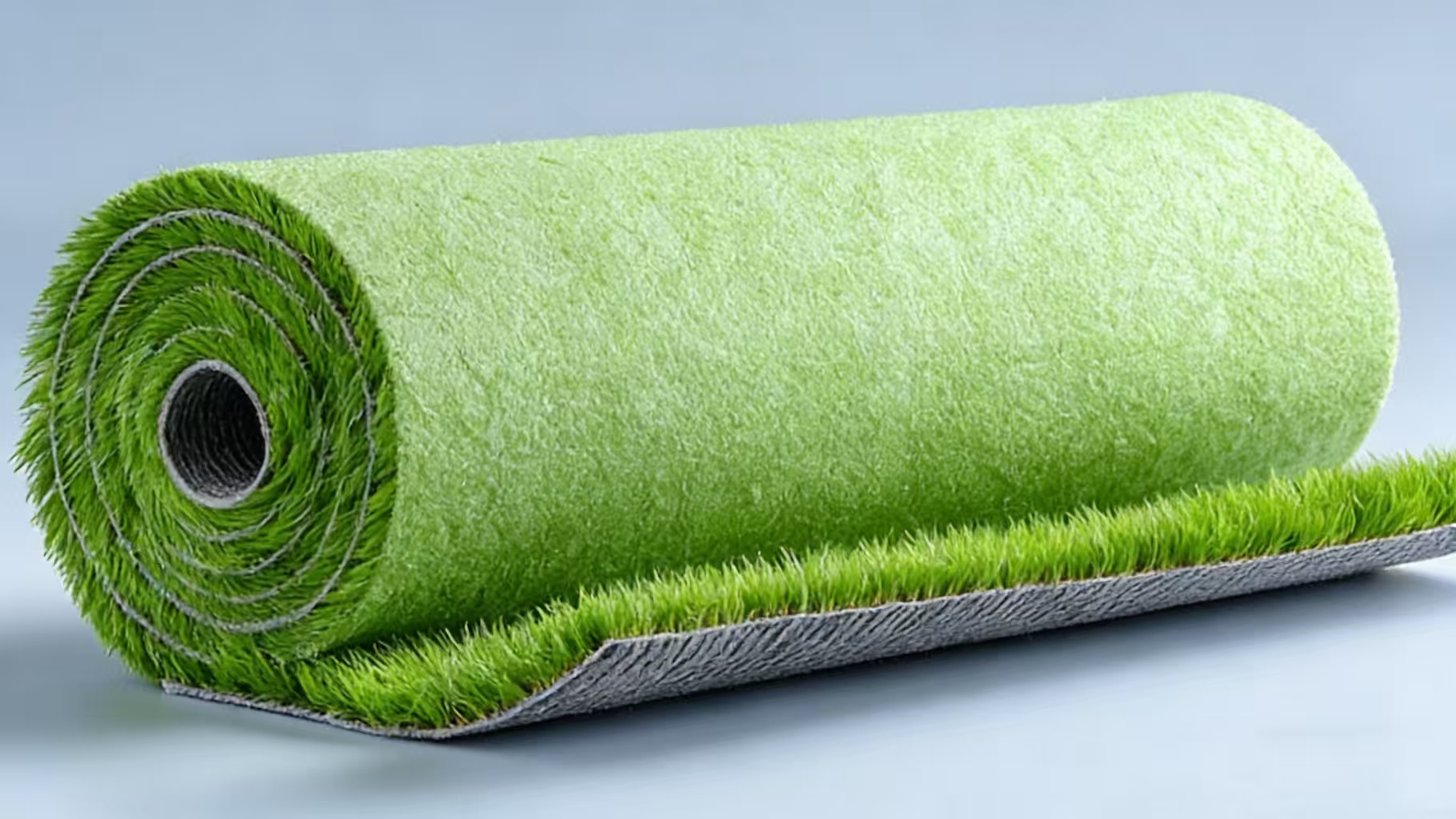
Once installed, artificial turf requires only occasional inspection and minor repairs. This low maintenance translates to significant savings in labor, water, and landscaping expenses over time. Additionally, all lines for sports fields are integrated during manufacturing, eliminating the need for painting.
At Zhensure, we are committed to delivering premium artificial turf that meets the highest international standards. As a specialized Chinese manufacturer with years of export experience, we understand what global buyers need: products that combine safety, durability, and visual appeal. Our turf is crafted from eco-friendly materials, rigorously tested for wear and UV resistance, and tailored to suit a variety of climates and applications. Whether you are outfitting a community park, a professional stadium, or a commercial landscape, Zhensure provides reliable solutions backed by factory-direct quality and support. With our expertise, Artificial turf becomes more than just ground covering—it becomes a long-term asset that enhances spaces, simplifies maintenance, and supports healthier, more active lifestyles.
Artificial grass is a low-maintenance alternative to natural grass, but regular care can help keep it clean, attractive, and functional for many years. Whether used in gardens, sports areas, or pet spaces, a few simple maintenance steps are usually enough.
Despite these improvements, several outdated ideas about synthetic grass are still common. Here are 10 artificial grass myths that are worth understanding before choosing a product.
Choosing artificial grass is not simply about selecting a color or grass height. Different applications require different specifications, and factors such as pile height, density, backing, drainage, yarn shape, and installation conditions can directly affect the service life and performance of synthetic turf.
From residential gardens and balconies to commercial landscapes and pet areas, artificial grass can be adapted to a wide range of applications. Here are ten important reasons why more property owners are considering artificial grass.
When researching synthetic lawn products, buyers often come across the terms Artificial Grass and Artificial Turf. These two expressions are sometimes used to describe different products, while in many cases they refer to the same general category of synthetic grass. The actual difference usually depends more on the intended application and product specifications than on the name itself.