News Center
Shandong Zhensure New Materials Technology Industry Co., Ltd.


 TEL:+86 19953115220


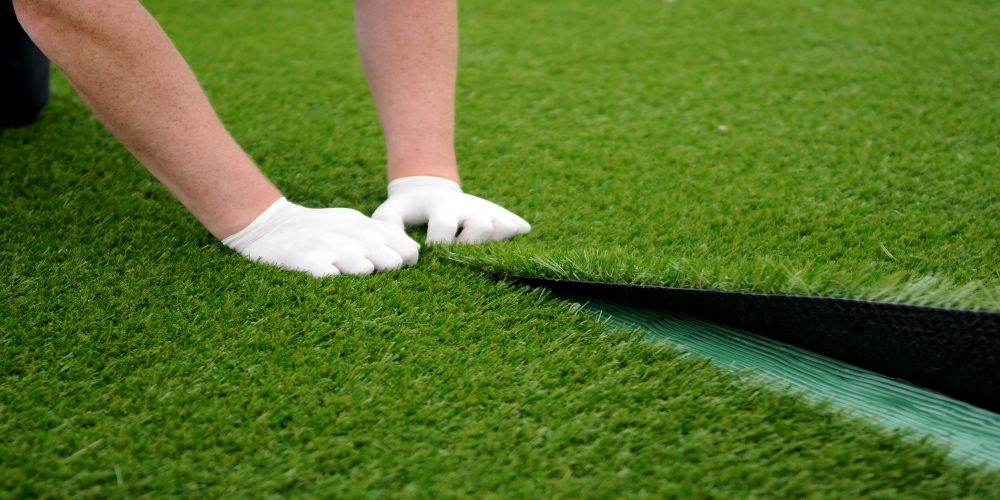
During the use of artificial turf fields, curling edges and seams are one of the most common problems. This is a manifestation of adhesive failure, which not only affects aesthetics but also creates safety hazards and accelerates localized wear. Therefore, in the maintenance of artificial turf fields, accurately identifying the cause of curling and adopting appropriate solutions is the value of a professional company.
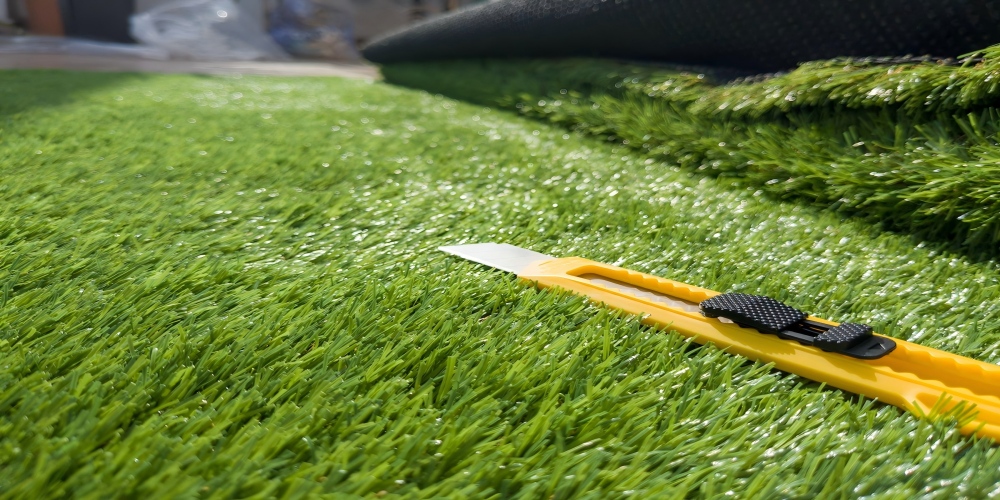
I. Core Reasons: Construction and Use
The reasons for adhesive failure and curling can be summarized into two categories:
First, improper construction techniques:
Adhesive quantity issues: Too much adhesive leads to slow drying and residual moisture, resulting in "false adhesion"; too little adhesive results in insufficient bonding strength.
Incorrect bonding timing: Bonding before the adhesive has dried to a non-sticky state greatly affects the final strength.
Unclean base or backing: Dust, moisture, or grit on the ground base or the back of the turf destroys the purity of the bonding surface, leading to insecure adhesion.
Second, problems during later use:
High-intensity impact and frequent ball scooping: The seams are mechanically weak points, and long-term high-intensity sports, especially football and rugby, can lead to fatigue of the adhesive layer.
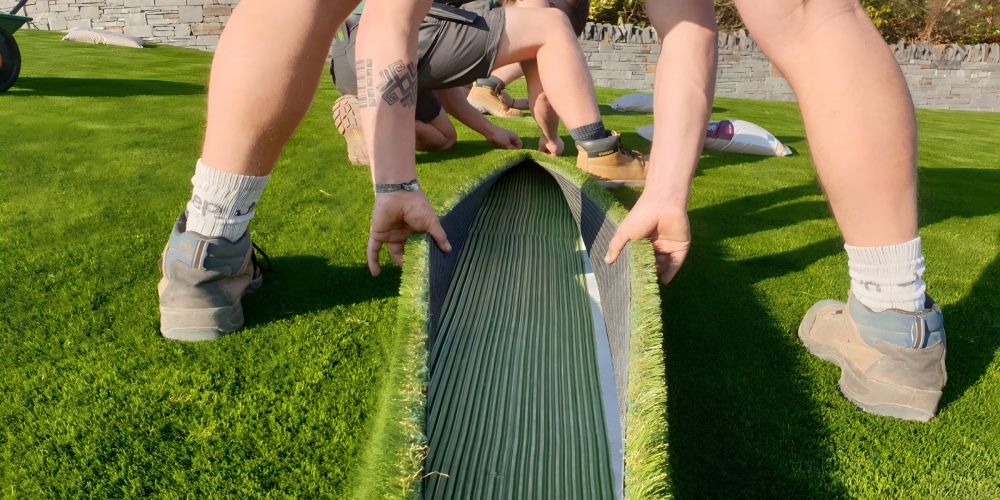
II. Solutions: Tailored Solutions Based on the Stage
For newly constructed artificial turf fields, prevention and testing are crucial:
Small sample testing is essential before construction: Before formal bonding, take a small piece of material to simulate the complete process, such as applying adhesive, drying, bonding, and compaction. After the artificial turf is fully cured, attempt to peel it off to test the adhesion of the adhesive to the artificial turf.
Strictly follow the eight-character principle of "clean, appropriate amount, drying, and compaction": Ensure the bonding surface is dry and clean; use a notched trowel to evenly apply the adhesive to control the amount; patiently wait for the adhesive solvent to evaporate until it is no longer sticky; immediately after bonding, repeatedly roll with a special compaction roller.
For maintenance and repair of existing artificial turf fields:
Especially for artificial turf fields that have been in use for many years, repair is more complicated. The core method is "thorough cleaning, complete drying, and professional re-bonding." Step 1: Carefully lift the lifted portion of the artificial turf, thoroughly removing any old adhesive residue, as well as quartz sand and rubber granules that have seeped into the seams.
Step 2: Use a hairdryer or allow it to air dry to ensure the back of the artificial turf and the ground base are completely dry and clean.
Step 3: Use high-quality artificial turf adhesive and re-bond according to standard construction procedures, using a professional roller to compact it. After bonding, allow the adhesive to fully cure (usually 24-48 hours) before use.
III. Summary and Recommendations
Preventing edge lifting is crucial. A standardized and rigorous installation is key to avoiding costly repairs later. During project acceptance, the strength of the bonding of all seams and edges should be carefully inspected.
Choosing high-quality turf and matching adhesives from a reliable manufacturer is fundamental to ensuring quality from the source. As a professional manufacturer, Zhensure not only provides high-performance artificial turf products but is also committed to sharing scientific installation and maintenance knowledge with its partners, ensuring that every project can withstand the test of time and use.
Artificial grass is a low-maintenance alternative to natural grass, but regular care can help keep it clean, attractive, and functional for many years. Whether used in gardens, sports areas, or pet spaces, a few simple maintenance steps are usually enough.
Despite these improvements, several outdated ideas about synthetic grass are still common. Here are 10 artificial grass myths that are worth understanding before choosing a product.
Choosing artificial grass is not simply about selecting a color or grass height. Different applications require different specifications, and factors such as pile height, density, backing, drainage, yarn shape, and installation conditions can directly affect the service life and performance of synthetic turf.
From residential gardens and balconies to commercial landscapes and pet areas, artificial grass can be adapted to a wide range of applications. Here are ten important reasons why more property owners are considering artificial grass.
When researching synthetic lawn products, buyers often come across the terms Artificial Grass and Artificial Turf. These two expressions are sometimes used to describe different products, while in many cases they refer to the same general category of synthetic grass. The actual difference usually depends more on the intended application and product specifications than on the name itself.