News Center
Shandong Zhensure New Materials Technology Industry Co., Ltd.


 TEL:+86 19953115220


As the demand for durable and high-performance sports surfaces grows, artificial grass for football fields has become a popular investment. However, the significant variation in price often leads to one key question: what exactly drives the cost? The price difference is not arbitrary; it directly reflects the quality, longevity, and total value of the pitch, making it crucial for clubs, schools, and facility managers to understand the key factors before making a decision.
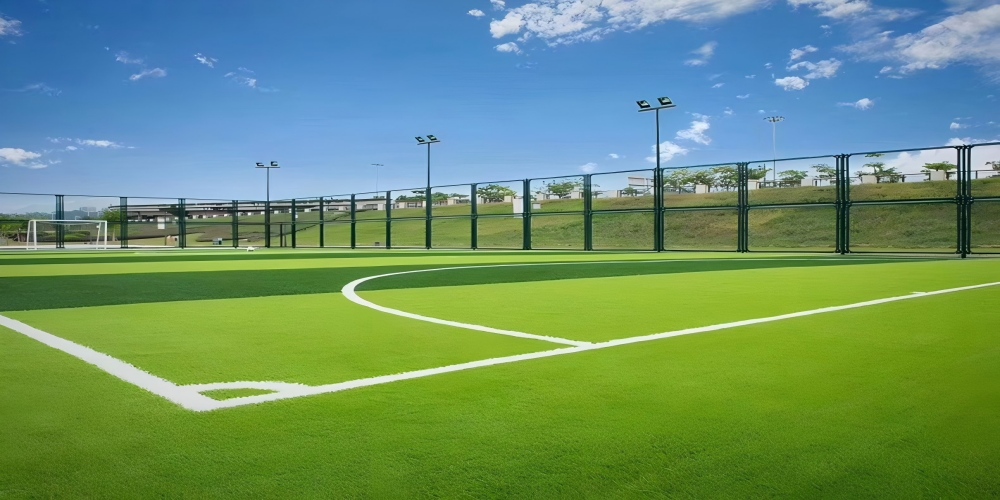
1. Product Specifications: The Core of Quality and Cost
The primary driver of price is the turf system itself. Higher-priced pitches typically feature:
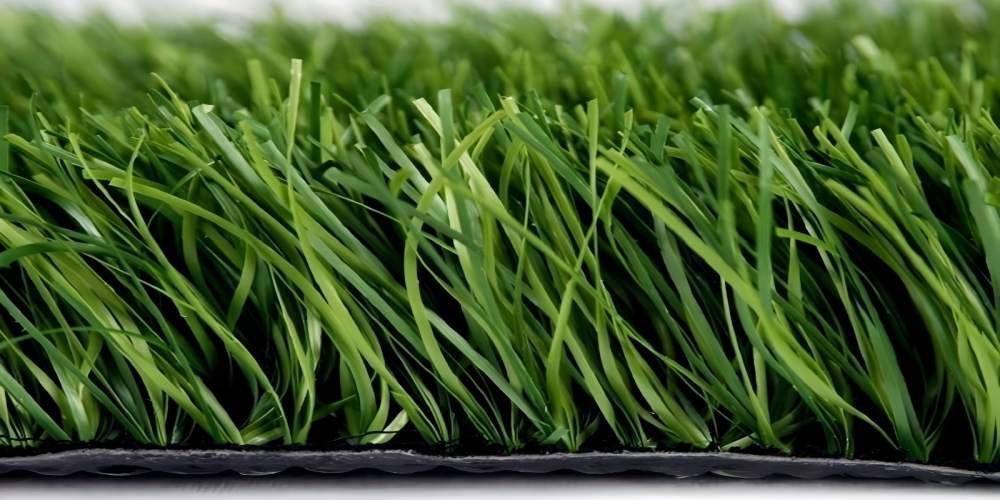
Advanced Fiber Technology: Premium football turf uses thicker, reinforced monofilament or hybrid fibers with strong UV stabilization. These resist wear, maintain bounce, and stay upright longer than thinner, less durable alternatives.
Superior Backing and Density: A multi-layer, latex-coated backing provides dimensional stability, while a higher stitch rate (more stitches per square meter) creates a denser, more resilient surface that better mimics natural grass.
Quality Infill Systems: The type and amount of infill (sand & rubber granules) significantly impact performance and safety. Higher-grade, environmentally certified EPDM or TPE rubber costs more but ensures consistent playability and player protection.
2. Project Scale and Logistics: Beyond the Turf Itself
The final invoice includes more than just material costs.
Site Preparation & Installation: Professional groundworks, including excavation, a stone sub-base, and precise installation labor, are essential for longevity and proper drainage. This expertise is a significant part of the project value.
Shipping and Import Costs: For international projects, logistics such as container shipping, insurance, and customs clearance add to the overall cost, influenced by the project's location and scale.
3. The Long-Term Value: Evaluating Total Cost of Ownership
The cheapest option can become the most expensive in the long run. A quality artificial grass system, while a higher initial investment, offers greater value through:
Extended Lifespan: It withstands intensive use for 8+ years with minimal loss of performance.
Lower Maintenance: It requires less frequent brushing, leveling, and top-up infill.
Warranty and Support: Reputable manufacturers offer robust warranties and technical support, protecting your investment.
Invest Wisely with a Trusted Factory Partner
Understanding these factors empowers you to see price as a reflection of long-term value, not just an upfront cost. At Zhensure, we manufacture FIFA-quality artificial turf that balances performance with durability. As a factory, we work directly with distributors and project partners to provide transparent pricing and systems designed for a lower total cost of ownership. We are actively seeking new international partners.
Contact Zhensure today to receive a detailed proposal and understand the true value behind a premium football field investment.
Artificial grass is a low-maintenance alternative to natural grass, but regular care can help keep it clean, attractive, and functional for many years. Whether used in gardens, sports areas, or pet spaces, a few simple maintenance steps are usually enough.
Despite these improvements, several outdated ideas about synthetic grass are still common. Here are 10 artificial grass myths that are worth understanding before choosing a product.
Choosing artificial grass is not simply about selecting a color or grass height. Different applications require different specifications, and factors such as pile height, density, backing, drainage, yarn shape, and installation conditions can directly affect the service life and performance of synthetic turf.
From residential gardens and balconies to commercial landscapes and pet areas, artificial grass can be adapted to a wide range of applications. Here are ten important reasons why more property owners are considering artificial grass.
When researching synthetic lawn products, buyers often come across the terms Artificial Grass and Artificial Turf. These two expressions are sometimes used to describe different products, while in many cases they refer to the same general category of synthetic grass. The actual difference usually depends more on the intended application and product specifications than on the name itself.