News Center
Shandong Zhensure New Materials Technology Industry Co., Ltd.


 TEL:+86 19953115220


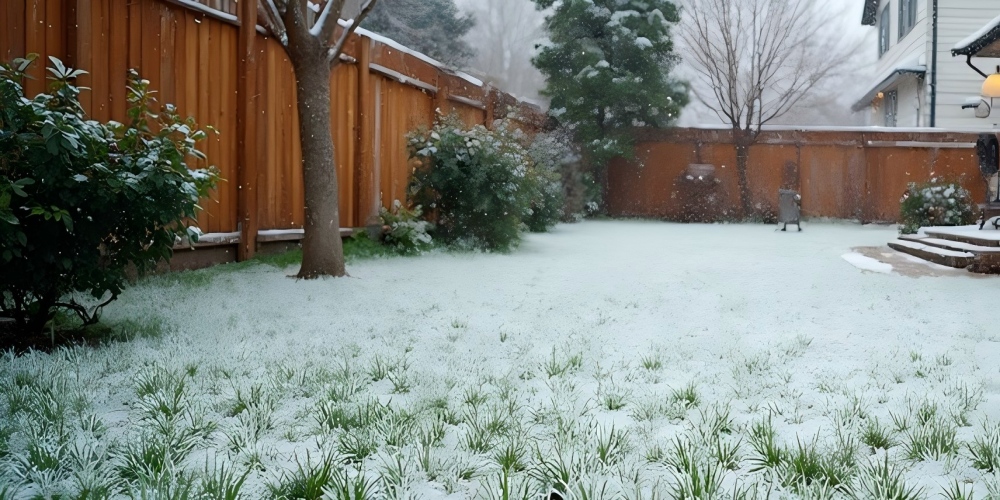
As temperatures drop, proper maintenance ensures your artificial grass stays in top condition through the cold months. This simple guide covers essential steps to protect your turf.
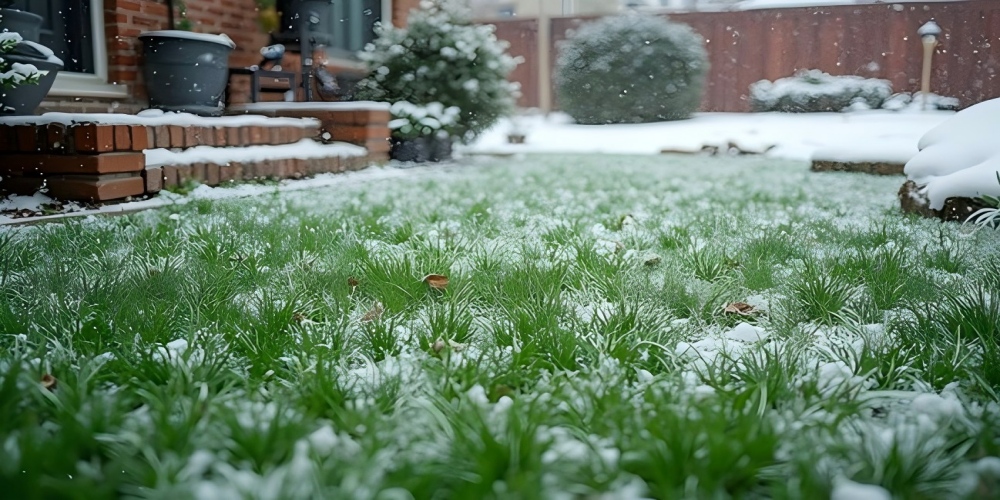
1. Snow and Frost Management
Clear snow gently using a plastic shovel or broom. Avoid metal tools to prevent damage.
Prevent ice buildup with a safe, non-corrosive de-icer. Never use rock salt, as it can harm the grass.
2. Keeping the Surface Resilient
Brush the turf monthly (when dry and frost-free) to keep the blades upright and ensure good drainage.
Check the infill in high-traffic areas and refill if needed to support the grass fibers.
3. Winter Precautions
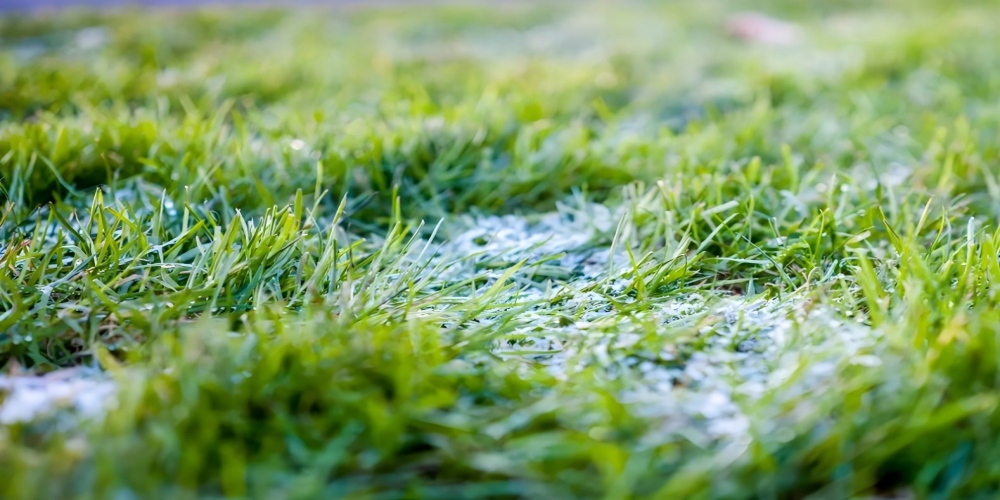
Remove leaves and debris promptly to prevent moisture buildup and mold.
Avoid heavy equipment on frozen turf, as the blades become brittle and prone to damage.
Trust Zhensure for Year-Round Quality
At Zhensure, our artificial turf is built to withstand diverse climates. We provide durable products and support to our global partners. Contact us for solutions that perform in every season.
Enjoy a pristine, green space all year long.
Artificial grass is a low-maintenance alternative to natural grass, but regular care can help keep it clean, attractive, and functional for many years. Whether used in gardens, sports areas, or pet spaces, a few simple maintenance steps are usually enough.
Despite these improvements, several outdated ideas about synthetic grass are still common. Here are 10 artificial grass myths that are worth understanding before choosing a product.
Choosing artificial grass is not simply about selecting a color or grass height. Different applications require different specifications, and factors such as pile height, density, backing, drainage, yarn shape, and installation conditions can directly affect the service life and performance of synthetic turf.
From residential gardens and balconies to commercial landscapes and pet areas, artificial grass can be adapted to a wide range of applications. Here are ten important reasons why more property owners are considering artificial grass.
When researching synthetic lawn products, buyers often come across the terms Artificial Grass and Artificial Turf. These two expressions are sometimes used to describe different products, while in many cases they refer to the same general category of synthetic grass. The actual difference usually depends more on the intended application and product specifications than on the name itself.