News Center
Shandong Zhensure New Materials Technology Industry Co., Ltd.


 TEL:+86 19953115220


The world of professional artificial grass extends far beyond simple color variations like green or blue. To meet diverse needs, it is systematically categorized by its primary function and performance characteristics. Understanding these classifications is key to selecting the perfect turf for any project.
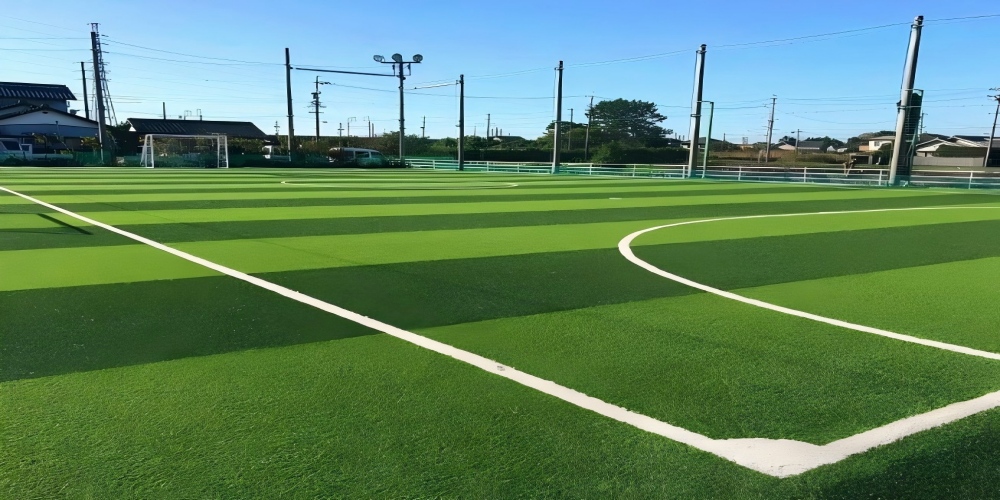
1. Sports Performance Turf: Engineered for the Game
This category is designed for athletic performance and durability. It is subdivided based on the specific sport:
Football/Soccer Pitches: This is the most common application. The turf typically uses a monofilament or hybrid fiber system for high durability and upright resilience. The surface is integrated with a performance infill (sand & rubber granules) to provide cushioning, traction, and natural ball roll.
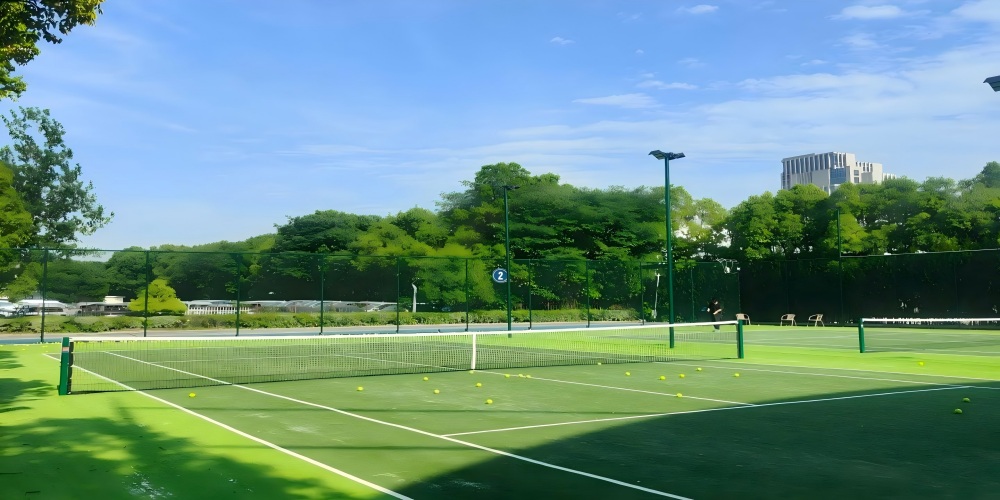
Other Sports Surfaces: Different sports require tailored specifications. For example, tennis courts use a very short, dense pile for consistent ball bounce, while golf putting greens require a ultra-low pile and smooth surface. Each type utilizes specific yarn shapes (like flat tape for golf or textured fibers for hockey) to meet the sport's unique demands.
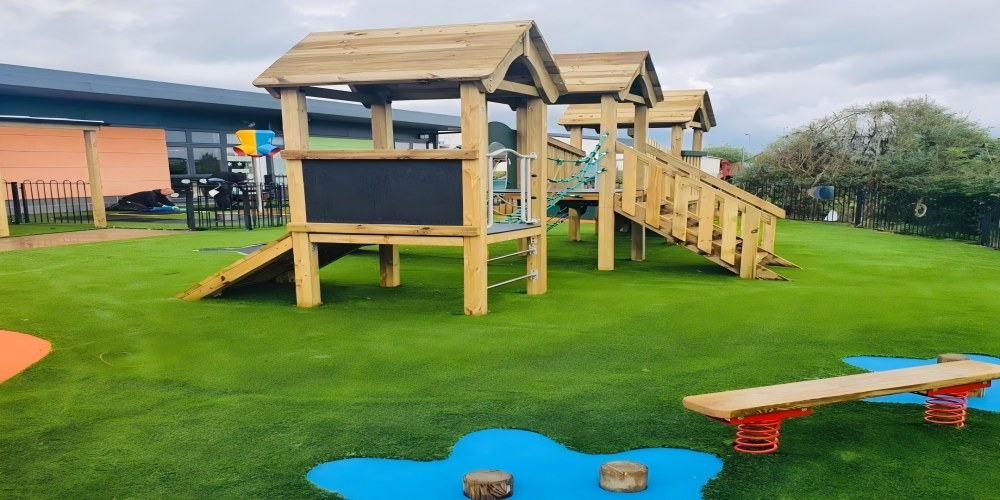
2. Leisure & Landscape Turf: Designed for Aesthetics and Safety
This type prioritizes visual appeal, comfort underfoot, and safety for everyday environments.
Kindergarten & Playground Turf: Safety is paramount. This turf is softer, often made with curly or textured yarns to create a cushioned surface. It is usually non-filled or uses a soft infill to protect against falls and is certified to be non-toxic.
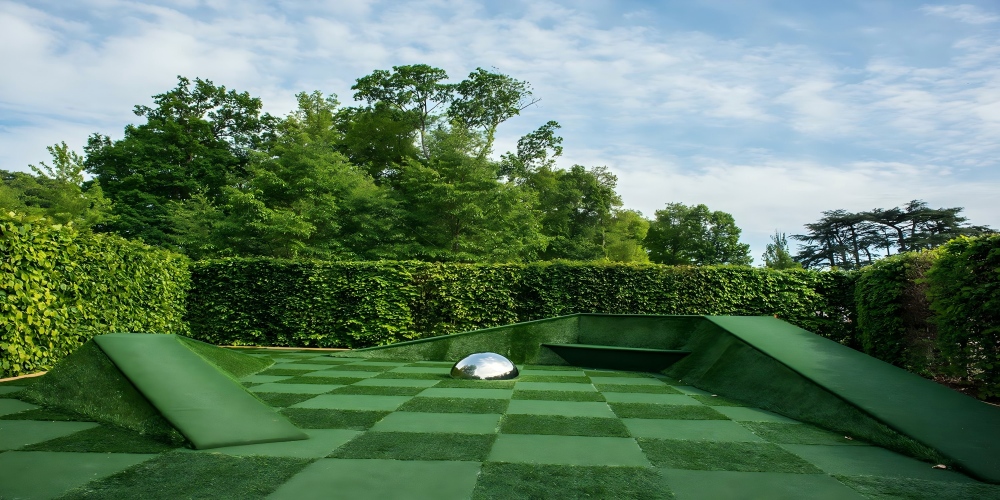
Landscaping & Decorative Grass: Used in gardens, balconies, and commercial spaces, this type focuses on a natural, lush appearance. It comes in various pile heights and shades of green. Landscape turf is also popular for creating green walls, rooftop gardens, and event décor (like weddings), offering versatile solutions where natural grass is impractical.
Choosing the Right Type
The selection depends on the project's core requirement: sports performance or leisure and aesthetics. Using the correct specialized turf ensures longevity, safety, and user satisfaction.
Partner with a Specialist for Your Project
At Zhensure, we manufacture the full spectrum of professional artificial turf, from FIFA-quality sports fields to safe, soft playgrounds. As a factory, we provide comprehensive technical support to help our global distributors and partners select the ideal product. Contact Zhensure for expert guidance and to bring your next project to life with the right turf.
Artificial grass is a low-maintenance alternative to natural grass, but regular care can help keep it clean, attractive, and functional for many years. Whether used in gardens, sports areas, or pet spaces, a few simple maintenance steps are usually enough.
Despite these improvements, several outdated ideas about synthetic grass are still common. Here are 10 artificial grass myths that are worth understanding before choosing a product.
Choosing artificial grass is not simply about selecting a color or grass height. Different applications require different specifications, and factors such as pile height, density, backing, drainage, yarn shape, and installation conditions can directly affect the service life and performance of synthetic turf.
From residential gardens and balconies to commercial landscapes and pet areas, artificial grass can be adapted to a wide range of applications. Here are ten important reasons why more property owners are considering artificial grass.
When researching synthetic lawn products, buyers often come across the terms Artificial Grass and Artificial Turf. These two expressions are sometimes used to describe different products, while in many cases they refer to the same general category of synthetic grass. The actual difference usually depends more on the intended application and product specifications than on the name itself.