News Center
Shandong Zhensure New Materials Technology Industry Co., Ltd.


 TEL:+86 19953115220


Choosing the right artificial grass is key for a great football field. The main choice is between traditional sand-filled turf and modern non-filled turf.
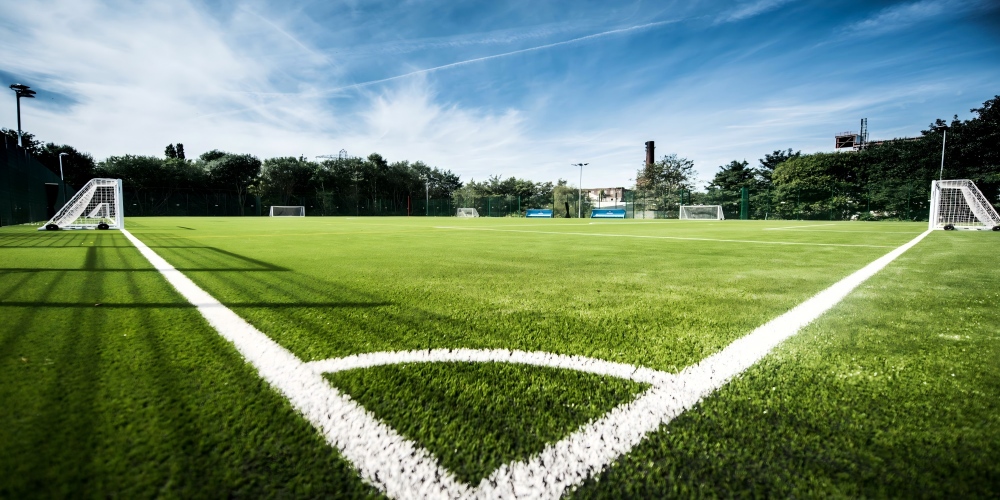
Traditional Sand-Filled Turf
This type uses long grass blades and is filled with sand and rubber granules. The fill gives weight, stability, and cushioning. It's very durable and handles intense play well, but requires quality fill materials.
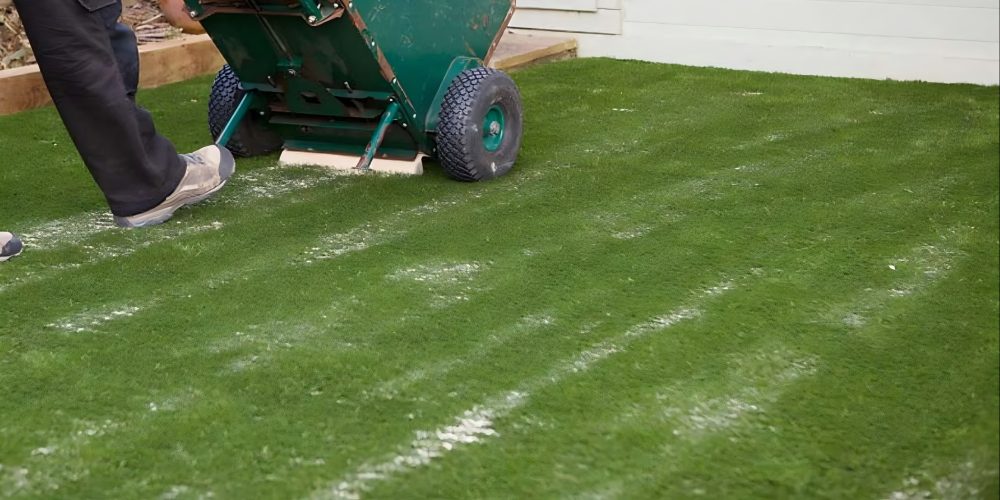
Modern Non-Filled Turf
This newer option uses dense, short grass that needs little to no fill. Installation is faster, costs are often lower, and there's no worry about fill quality. It's a cleaner, simpler choice.
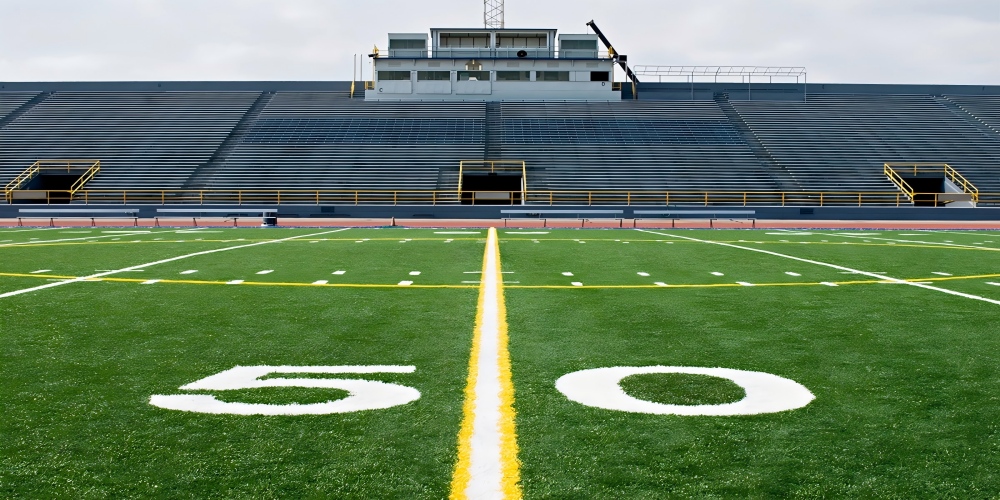
Which One to Choose?
Pick sand-filled turf for high-use, professional fields where maximum durability is needed. Choose non-filled artificial grass for schools or clubs that want easier setup, lower cost, and no fill concerns.
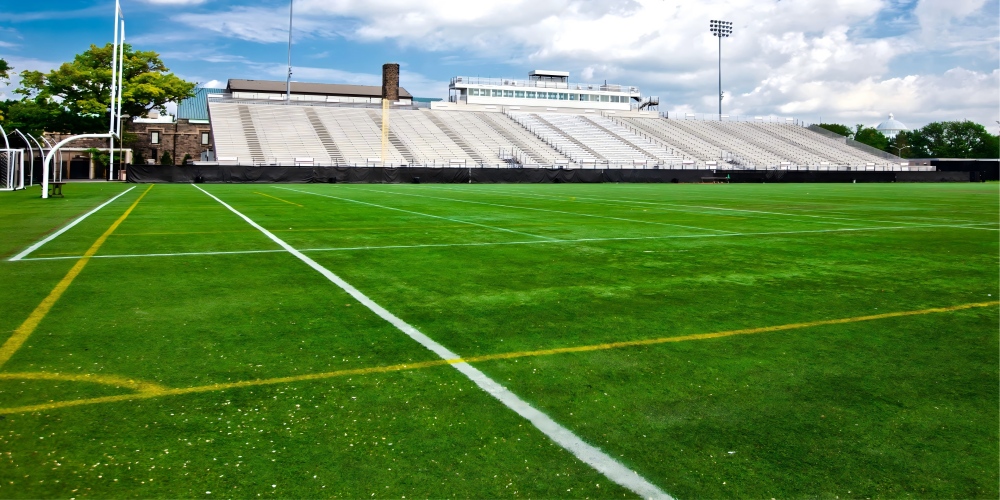
Need Help Deciding?
At Zhensure, we make both types of artificial turf. We can help you choose the best option for your field's use and budget. Contact us for expert advice and samples.
Artificial grass is a low-maintenance alternative to natural grass, but regular care can help keep it clean, attractive, and functional for many years. Whether used in gardens, sports areas, or pet spaces, a few simple maintenance steps are usually enough.
Despite these improvements, several outdated ideas about synthetic grass are still common. Here are 10 artificial grass myths that are worth understanding before choosing a product.
Choosing artificial grass is not simply about selecting a color or grass height. Different applications require different specifications, and factors such as pile height, density, backing, drainage, yarn shape, and installation conditions can directly affect the service life and performance of synthetic turf.
From residential gardens and balconies to commercial landscapes and pet areas, artificial grass can be adapted to a wide range of applications. Here are ten important reasons why more property owners are considering artificial grass.
When researching synthetic lawn products, buyers often come across the terms Artificial Grass and Artificial Turf. These two expressions are sometimes used to describe different products, while in many cases they refer to the same general category of synthetic grass. The actual difference usually depends more on the intended application and product specifications than on the name itself.