News Center
Shandong Zhensure New Materials Technology Industry Co., Ltd.


 TEL:+86 19953115220


Artificial grass needs strong glue to hold the seams and edges together. This special glue is not the same as regular glue you might use at home. It is made to handle outdoor weather and keep the grass looking good for years. Choosing the right glue is a very important part of the installation.
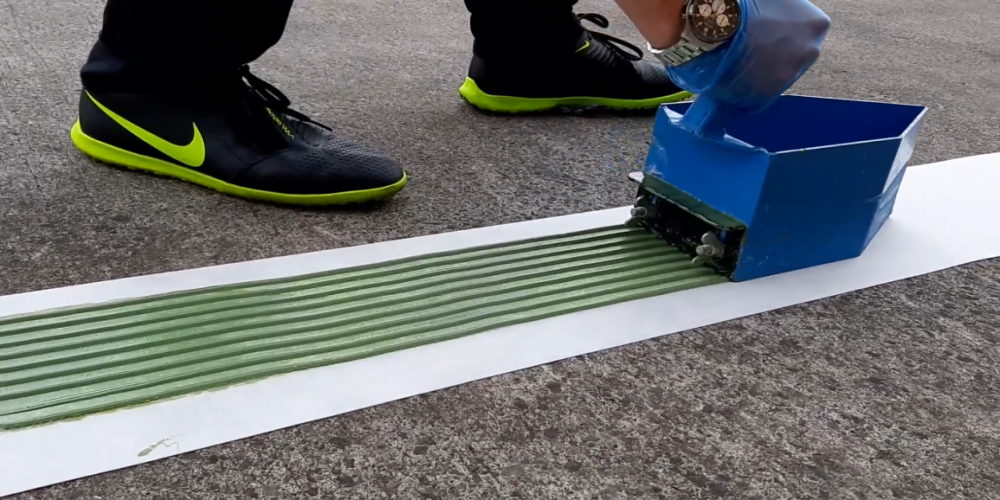
Why You Need Special Glue for Artificial Grass
Regular glue might be cheaper, but it often causes problems later. It is not made for outdoor use. After some time in the sun and rain, regular glue can become weak. The seams may open, or the corners of the grass may start to lift. This damages the lawn and is expensive to fix. The special glue for artificial turf is made to avoid these issues.
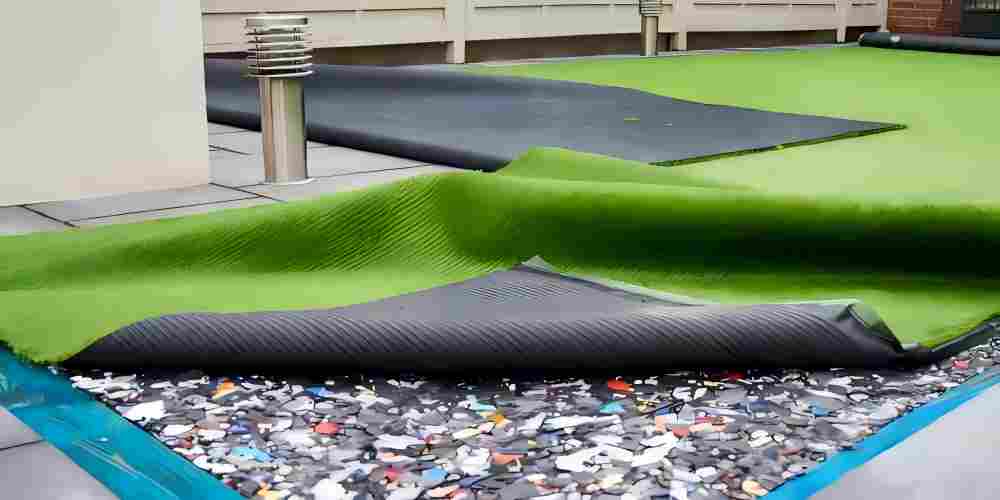
The Key Features of Good Artificial Grass Glue
Good artificial grass glue has three main strengths. First, it is completely waterproof. Even after heavy rain or washing, the bond stays strong. Second, it can handle hot and cold weather. It won't melt in summer heat or crack in winter cold. Finally, it is very strong and flexible. It holds the grass firmly in place but can also move a little without breaking, which is important when people walk on it.
Get the Right Materials for a Long-Lasting Lawn
A perfect artificial grass lawn depends on using the right materials together. At Zhensure, we can provide not only high-quality artificial grass but also the strong, reliable glue that matches it perfectly. Using the correct glue protects your investment and saves you from future repair costs. We are looking for distributors and partners worldwide. If you need trustworthy products for your projects, contact Zhensure today.
Artificial grass is a low-maintenance alternative to natural grass, but regular care can help keep it clean, attractive, and functional for many years. Whether used in gardens, sports areas, or pet spaces, a few simple maintenance steps are usually enough.
Despite these improvements, several outdated ideas about synthetic grass are still common. Here are 10 artificial grass myths that are worth understanding before choosing a product.
Choosing artificial grass is not simply about selecting a color or grass height. Different applications require different specifications, and factors such as pile height, density, backing, drainage, yarn shape, and installation conditions can directly affect the service life and performance of synthetic turf.
From residential gardens and balconies to commercial landscapes and pet areas, artificial grass can be adapted to a wide range of applications. Here are ten important reasons why more property owners are considering artificial grass.
When researching synthetic lawn products, buyers often come across the terms Artificial Grass and Artificial Turf. These two expressions are sometimes used to describe different products, while in many cases they refer to the same general category of synthetic grass. The actual difference usually depends more on the intended application and product specifications than on the name itself.