News Center
Shandong Zhensure New Materials Technology Industry Co., Ltd.


 TEL:+86 19953115220


The installation of artificial grass has become a standard in modern kindergartens, providing a perpetually green, vibrant, and safe play surface that withstands year-round use. Unlike natural grass, it requires no mowing or watering to stay lush. However, proper maintenance is still essential to ensure its longevity, hygiene, and optimal performance for children's daily activities. This guide outlines simple yet effective care practices specifically for artificial turf in educational settings.
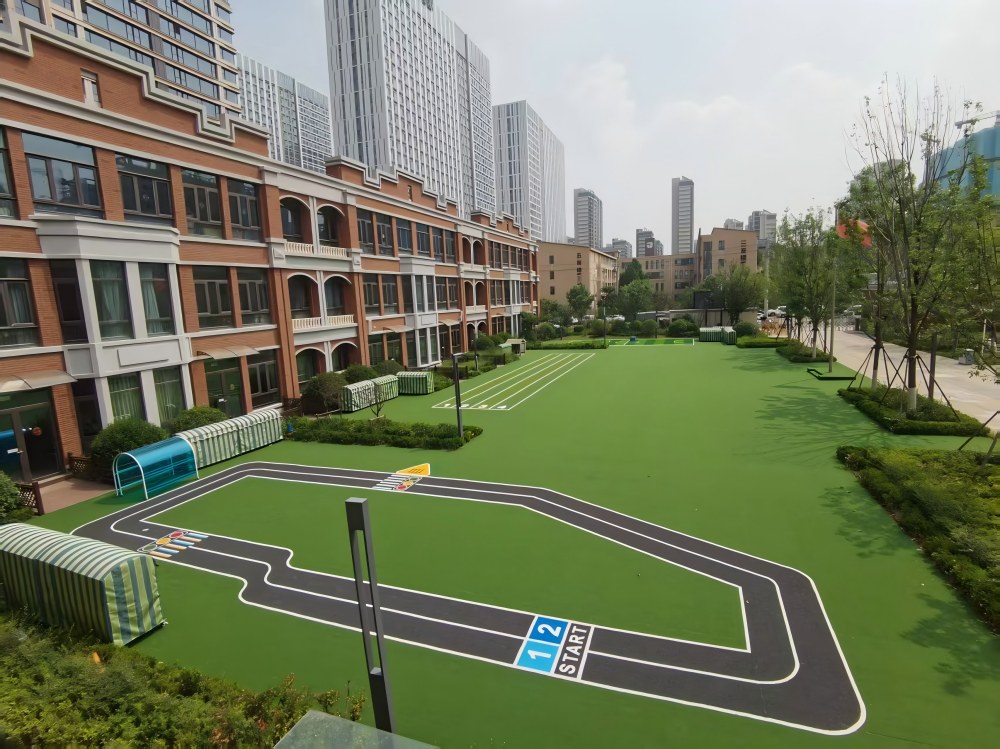
Daily and Weekly Care: Preserving Cleanliness and Safety
The primary daily task is debris removal. Use a plastic rake, a stiff-bristled broom, or a leaf blower to clear leaves, twigs, and general litter. For small debris like crumbs or sand, a gentle rinse with a garden hose is effective. It's crucial to promptly clean up any spills, especially sticky substances like juice or food, using a mild detergent mixed with water. This prevents stains and avoids attracting pests. A quick, weekly brushing against the grain of the grass fibers with a synthetic broom will keep the blades upright and maintain the turf's fresh, natural appearance.
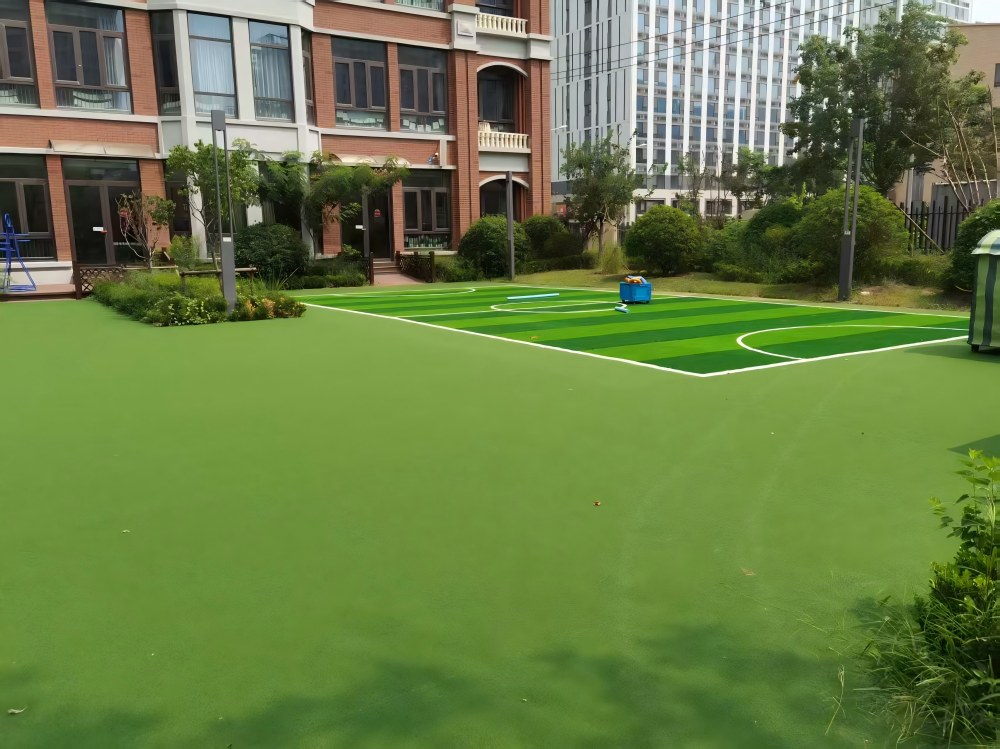
Seasonal and Special Considerations: Temperature and Hygiene
During hot summer months, artificial grass surfaces can become warm. A brief, light spray with water in the morning or evening is a highly effective method to cool the surface temporarily before children play, enhancing comfort. For deep cleaning and sanitation—a vital consideration in kindergartens—use a diluted, child-safe disinfectant solution. Apply it across the surface and rinse thoroughly to eliminate bacteria and germs, ensuring a hygienic play area. Always avoid harsh chemicals or solvents.
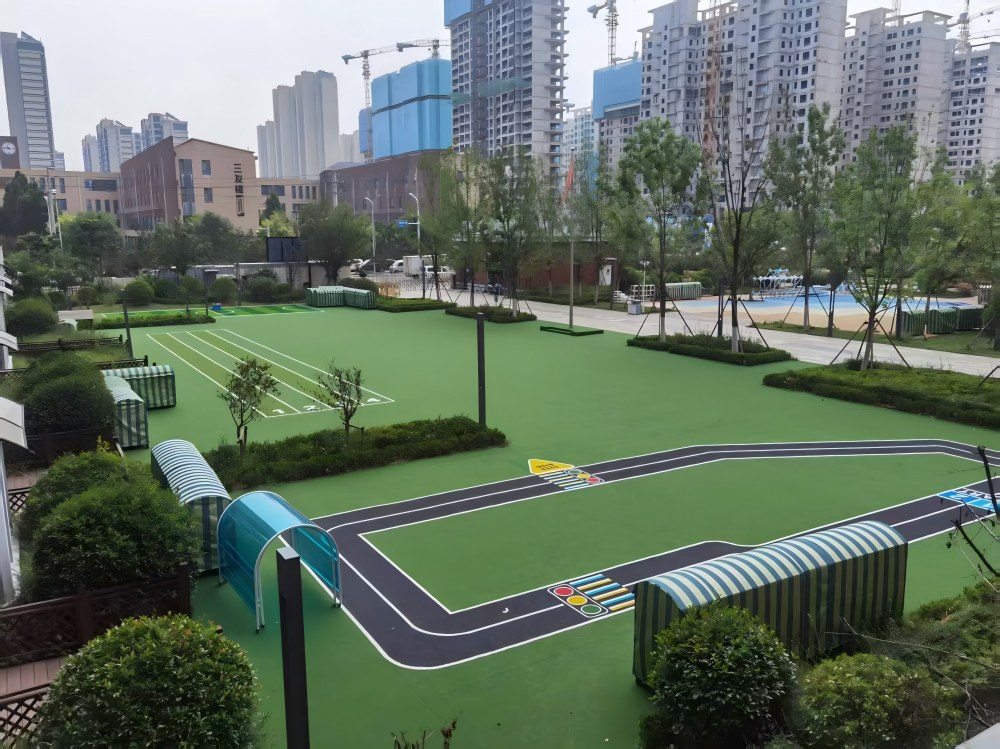
Proactive Maintenance for Longevity
To prevent excessive wear, consider rotating play equipment or high-traffic activity areas periodically if possible. While high-quality turf is highly durable, inspecting the infill (the sand or rubber granules beneath the blades) once or twice a year is recommended. Top up the infill if needed to ensure proper cushioning and support for the grass fibers. For minor repairs like small seams or tears, contact your supplier for repair kits or professional advice.
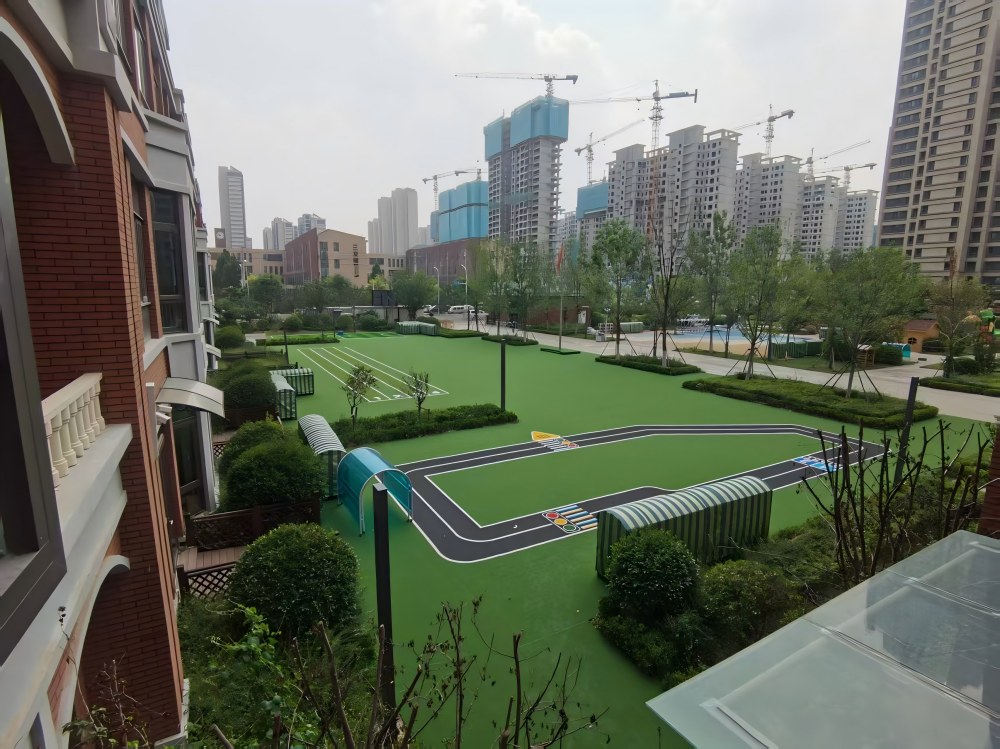
Partner with Zhensure for Premium, Low-Maintenance Solutions
Choosing the right turf from the start makes maintenance easier. Zhensure manufactures kindergarten-safe artificial grass specifically engineered for high durability, excellent drainage, and enhanced safety features like non-toxic materials and adequate shock absorption. Our turf is designed to withstand rigorous play while remaining easy to clean and maintain. As a professional factory, we are actively seeking distributors and partners worldwide who supply educational institutions. If you are looking for reliable, high-quality artificial grass solutions for kindergartens or other playgrounds, contact Zhensure to request samples and learn more about our products tailored for young learners.
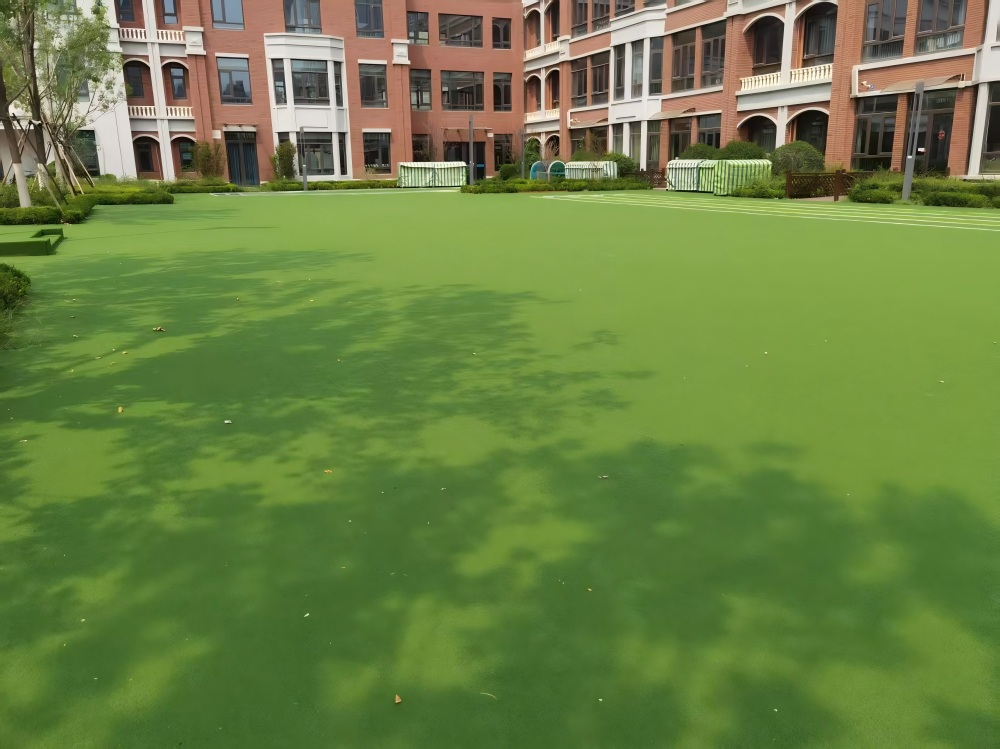
Artificial grass is a low-maintenance alternative to natural grass, but regular care can help keep it clean, attractive, and functional for many years. Whether used in gardens, sports areas, or pet spaces, a few simple maintenance steps are usually enough.
Despite these improvements, several outdated ideas about synthetic grass are still common. Here are 10 artificial grass myths that are worth understanding before choosing a product.
Choosing artificial grass is not simply about selecting a color or grass height. Different applications require different specifications, and factors such as pile height, density, backing, drainage, yarn shape, and installation conditions can directly affect the service life and performance of synthetic turf.
From residential gardens and balconies to commercial landscapes and pet areas, artificial grass can be adapted to a wide range of applications. Here are ten important reasons why more property owners are considering artificial grass.
When researching synthetic lawn products, buyers often come across the terms Artificial Grass and Artificial Turf. These two expressions are sometimes used to describe different products, while in many cases they refer to the same general category of synthetic grass. The actual difference usually depends more on the intended application and product specifications than on the name itself.