


News Center
Shandong Zhensure New Materials Technology Industry Co., Ltd.
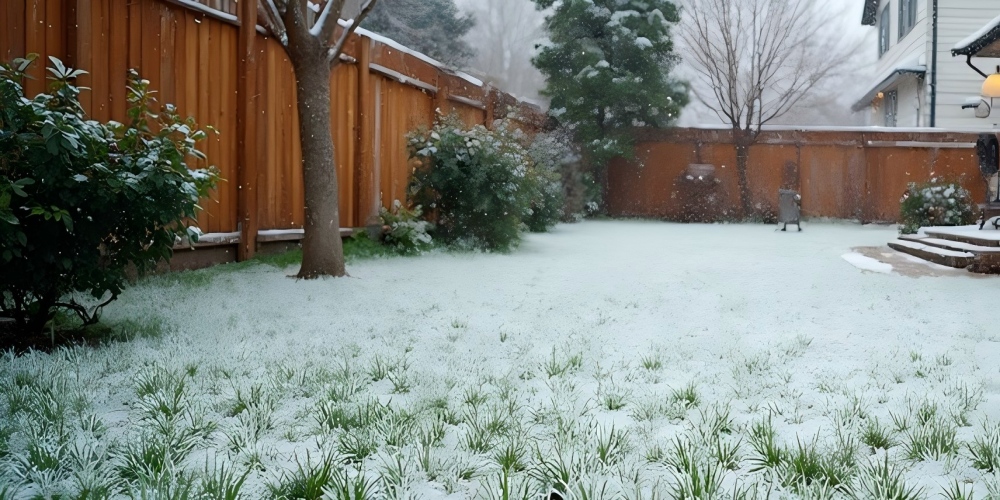
As temperatures drop, proper maintenance ensures your artificial grass stays in top condition through the cold months. This simple guide covers essential steps to protect your turf.
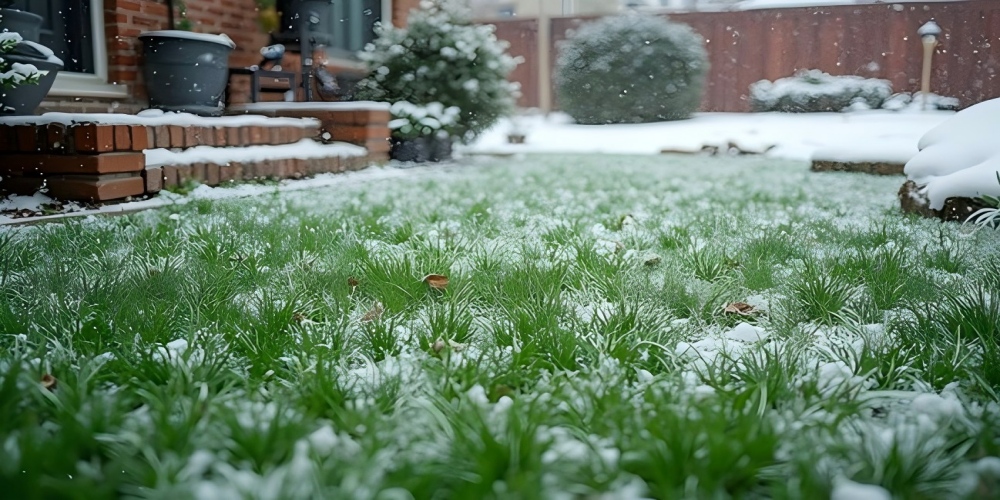
1. Snow and Frost Management
Clear snow gently using a plastic shovel or broom. Avoid metal tools to prevent damage.
Prevent ice buildup with a safe, non-corrosive de-icer. Never use rock salt, as it can harm the grass.
2. Keeping the Surface Resilient
Brush the turf monthly (when dry and frost-free) to keep the blades upright and ensure good drainage.
Check the infill in high-traffic areas and refill if needed to support the grass fibers.
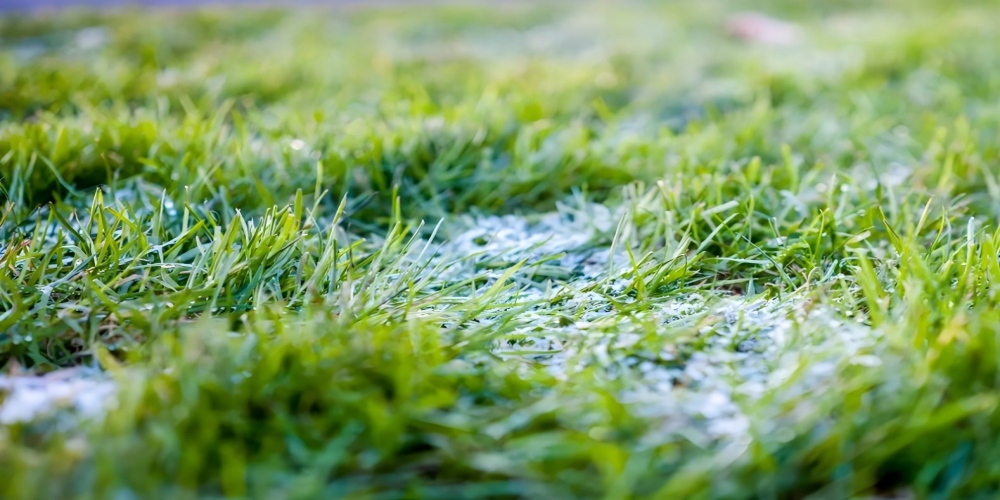
3. Winter Precautions
Remove leaves and debris promptly to prevent moisture buildup and mold.
Avoid heavy equipment on frozen turf, as the blades become brittle and prone to damage.
Trust Zhensure for Year-Round Quality
At Zhensure, our artificial turf is built to withstand diverse climates. We provide durable products and support to our global partners. Contact us for solutions that perform in every season.
Enjoy a pristine, green space all year long.
For sports facility developers, schools, and clubs planning a new pitch, constructing a Football Field with Artificial Grass is a significant project that demands careful planning.
Artificial turf mats and suspended interlocking floor tiles are two common types of flooring materials. Although they serve similar functions, their characteristics are quite different, and each is suitable for different scenarios. So, how do you choose between them?
During the use of artificial turf fields, curling edges and seams are one of the most common problems. How to deal with curling edges on artificial turf?
Artificial turf is a non-natural type of grass made from materials such as PP and PE. While commonly used in outdoor sports fields, parks, and golf courses, it can also be installed indoors.
As the demand for durable and high-performance sports surfaces grows, artificial grass for football fields has become a popular investment. However, the significant variation in price often leads to one key question: what exactly drives the cost?