


News Center
Shandong Zhensure New Materials Technology Industry Co., Ltd.
When people hear "artificial grass", they often picture a single shade of green. However, modern manufacturing offers a wide spectrum of colors for different uses, from sports fields to creative landscapes. This guide breaks down the main color types and their common applications.
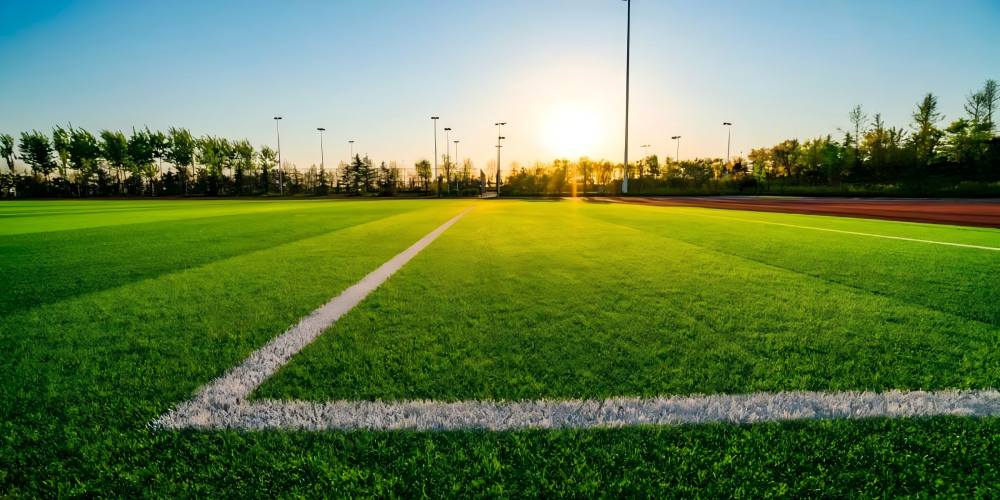
Green: The Classic Choice for Sports and Landscaping
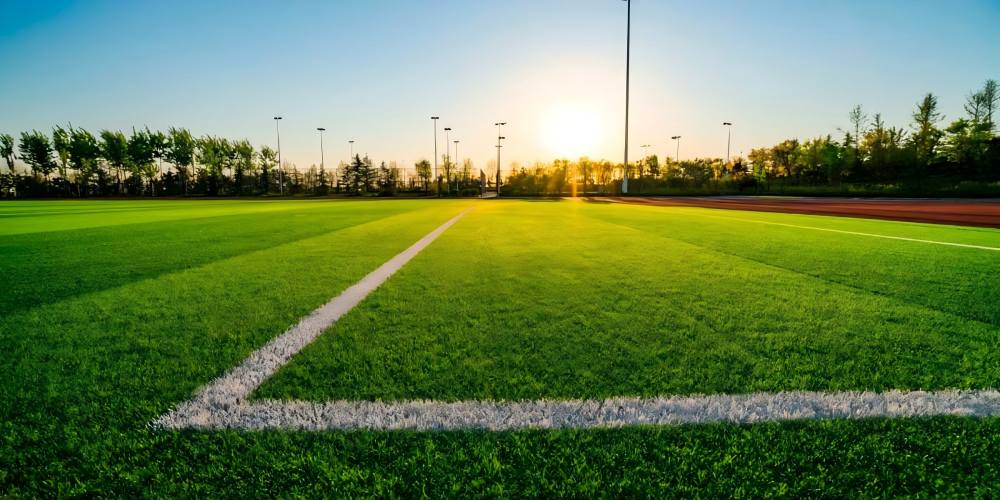
Green remains the most popular color, especially for sports. It is designed to mimic natural grass and comes in several shades like emerald, lime, and olive green. For football fields and other sports areas, a consistent, vibrant green helps with visibility and provides a professional look. In gardens, different green tones can be mixed to create a more natural, layered appearance.
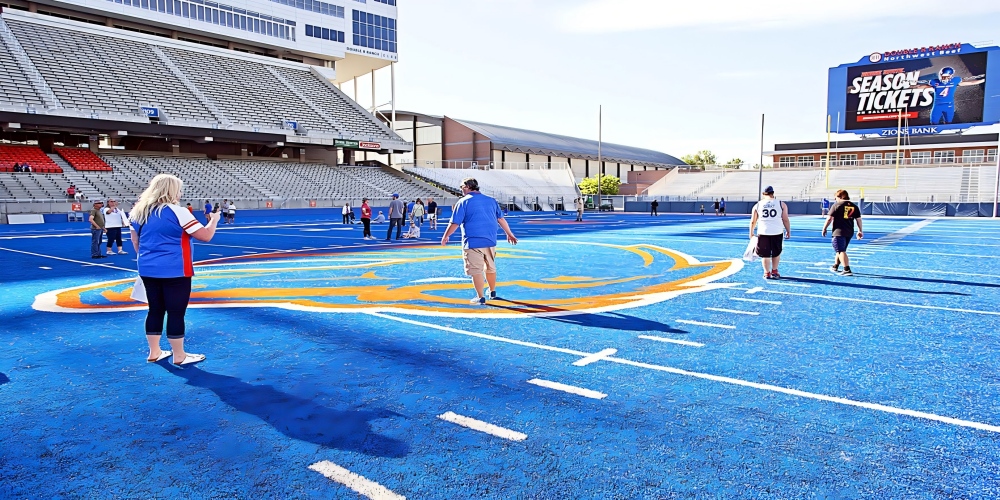
Beyond Green: Colors for Fun, Function, and Decoration
For playgrounds, schools, and decorative areas, artificial grass is available in many colors.
Blue and Red are often used for running tracks, playground markings, or multi-sport courts. They create clear visual boundaries and add a fun, bright element.
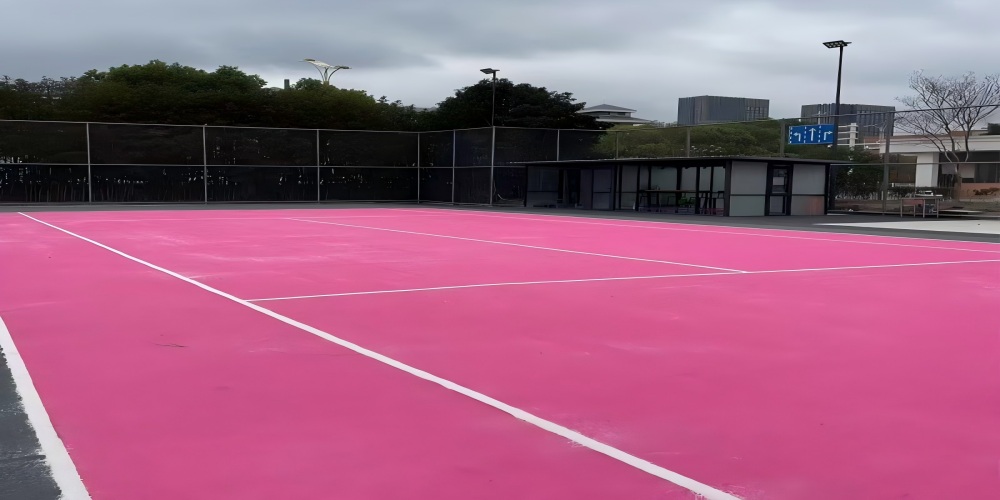
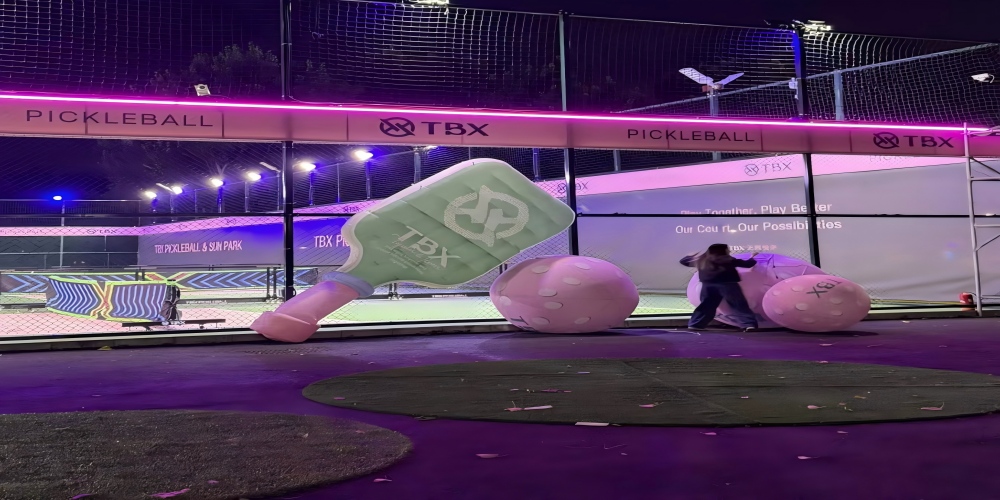
Decorative Colors like yellow, brown, or even purple are used in landscaping, rooftop gardens, or for special events like weddings. These colors help create unique designs, logos, or themed environments.
How to Choose the Right Color
Your choice should depend on the main use:
For sports and general landscaping, choose a green shade that looks natural and fits your local environment.
For playgrounds or creative projects, bright colors like blue or red are great for safety and fun.
For decorative purposes, you can select any color to match a specific design theme or event.
Find Your Perfect Color with Zhensure
At Zhensure, we produce artificial grass in a full range of colors and shades for every need. Whether you need FIFA-standard green turf for a field or custom colors for a special project, we can help. As a factory, we work directly with distributors and project partners. Contact us to get color samples and find the right product for your market.
For sports facility developers, schools, and clubs planning a new pitch, constructing a Football Field with Artificial Grass is a significant project that demands careful planning.
Artificial turf mats and suspended interlocking floor tiles are two common types of flooring materials. Although they serve similar functions, their characteristics are quite different, and each is suitable for different scenarios. So, how do you choose between them?
During the use of artificial turf fields, curling edges and seams are one of the most common problems. How to deal with curling edges on artificial turf?
Artificial turf is a non-natural type of grass made from materials such as PP and PE. While commonly used in outdoor sports fields, parks, and golf courses, it can also be installed indoors.
As the demand for durable and high-performance sports surfaces grows, artificial grass for football fields has become a popular investment. However, the significant variation in price often leads to one key question: what exactly drives the cost?