News Center
Shandong Zhensure New Materials Technology Industry Co., Ltd.


 TEL:+86 19953115220


Artificial turf infill is an important part of many synthetic grass systems. Installed between the grass fibers, it helps support the blades, improve surface stability and provide cushioning. Different infill materials can affect turf performance, comfort and maintenance requirements.
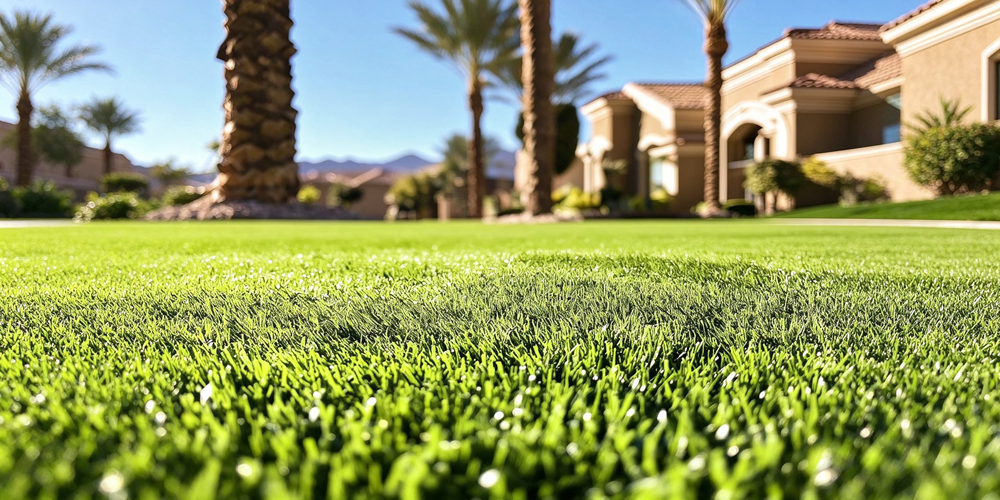
Infill serves several functions in artificial grass systems. It adds weight to keep the turf stable, helps fibers remain upright and reduces surface wear. For sports applications, suitable performance infill can also improve shock absorption and playing comfort.
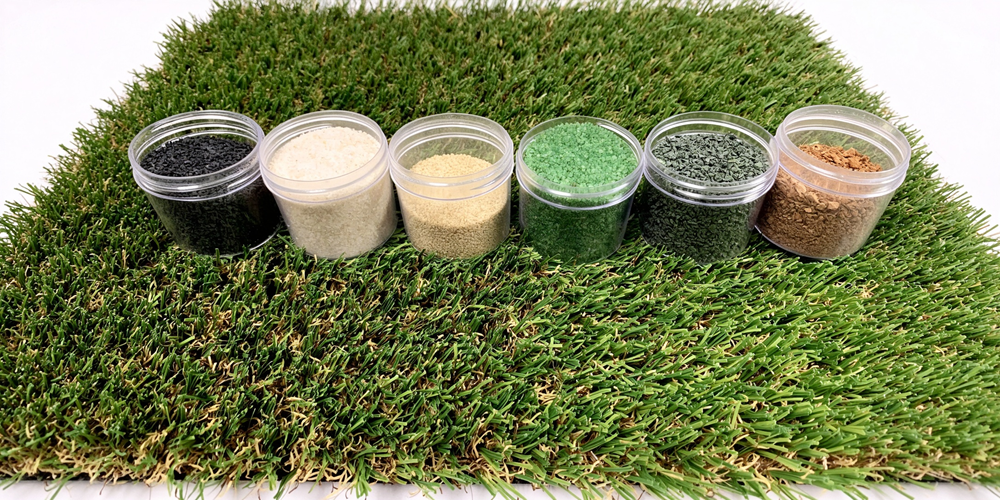
Different materials offer different performance characteristics:
Silica Sand: An affordable stabilizing material that supports grass fibers, adds weight and provides good drainage. It is widely used in landscape turf and sports applications.
SBR Rubber: Made from recycled rubber, it offers cushioning and shock absorption, making it a common choice for sports fields. However, it can retain heat.
EPDM Rubber: A durable synthetic rubber infill that provides impact absorption and consistent performance, but generally comes at a higher cost.
TPE: A flexible polymer-based material that provides cushioning and resists compaction. It is often selected for projects requiring consistent performance.
Organic Infill: Materials such as cork and engineered wood fibers offer natural alternatives. They can help reduce surface heat, although maintenance and replenishment requirements should be considered.
The best infill depends on the intended application and project requirements. Buyers should consider:
Application: Sports fields require suitable cushioning and playing performance, while landscape turf may prioritize stability and appearance.
Climate: Surface temperature and rainfall can influence material selection.
Budget: Compare initial material costs with long-term maintenance requirements.
Performance: Consider shock absorption, drainage, fiber support and durability.
Some modern artificial turf systems are also designed without loose infill, using specialized fiber structures to provide support and stability.
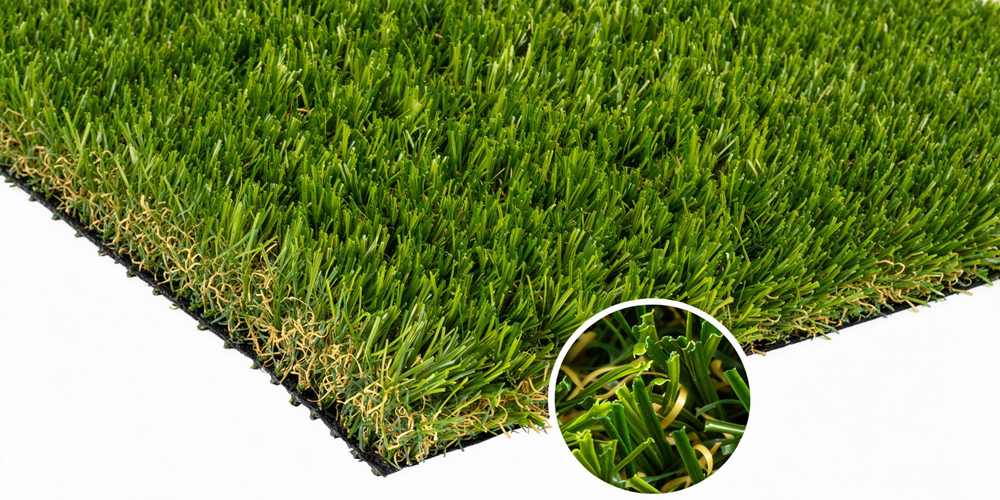
Selecting suitable infill is essential for achieving the desired performance of an artificial turf system. Matching the infill material with turf construction, application and local conditions helps improve long-term results.
As a leading professional manufacturer and exporter of artificial grass, we specialize in high-performance sports turf (football, tennis, hockey, landscape) engineered for durability, safety, and all-weather resilience. Whether you are building a commercial stadium, a school sports venue, or a private backyard soccer field, we offer tailored products, free sample support, and reliable global delivery to bring your project to life.
Artificial turf infill is an important part of many synthetic grass systems. Installed between the grass fibers, it helps support the blades, improve surface stability and provide cushioning. Different infill materials can affect turf performance, comfort and maintenance requirements.
A football pitch is more than a playing surface. The quality of artificial football grass affects how players run, turn, accelerate and interact with the ball. Choosing suitable artificial football turf helps provide consistent playing conditions and supports training and competition. For clubs, schools and sports facilities, selecting the right football field turf is essential.
Artificial grass is becoming a popular choice for backyard putting greens, golf practice areas, and recreational spaces. Compared with natural grass, it requires less mowing and watering while maintaining a neat green appearance throughout the year.
Drainage is one of the most important factors when choosing artificial grass for gardens, pet areas, playgrounds, and sports facilities A well-designed drainage system helps rainwater pass through the turf, reduces surface water accumulation, and supports a cleaner, more usable lawn
Artificial turf and natural grass are widely used for football, soccer, hockey, and other sports. However, their impact on athlete safety remains a topic of debate. Understanding the differences between these surfaces can help sports facilities choose the right playing field.