News Center
Shandong Zhensure New Materials Technology Industry Co., Ltd.


 TEL:+86 19953115220


When selecting Artificial turf for sports fields, schools, or gardens, quality varies widely. Focus on four core areas: fiber material, backing adhesive, technical parameters, and infill.
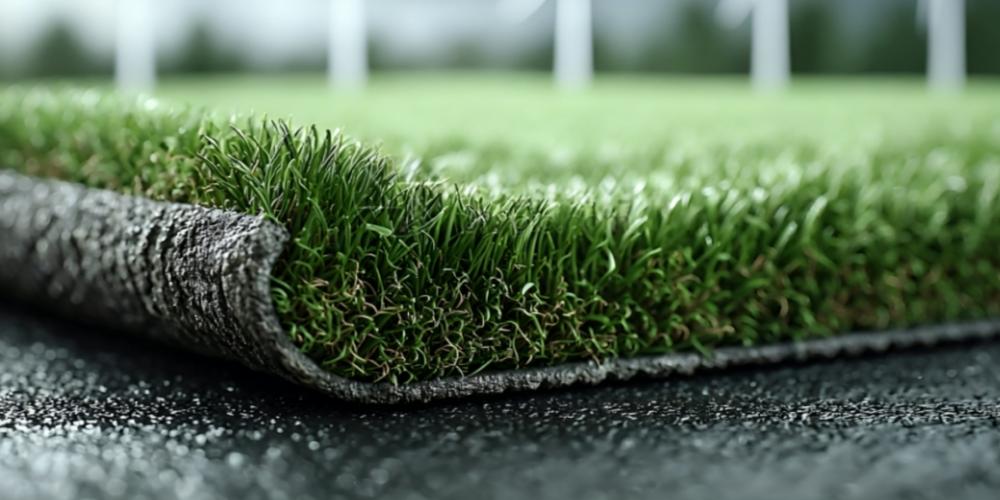
First, choose new PE fibers – they are soft, durable, and UV stabilized. Recycled fibers fade and break quickly. Second, check the backing: double layer fabric with strong PU or latex adhesive prevents shedding. Third, match pile height (40 60mm for sports, 20 30mm for landscaping) and density – higher density means better resilience. Fourth, for sports turf, select TPE infill (non toxic) instead of old tire granules. Also, smell the turf – strong odor indicates poor materials. Always ask for test reports.
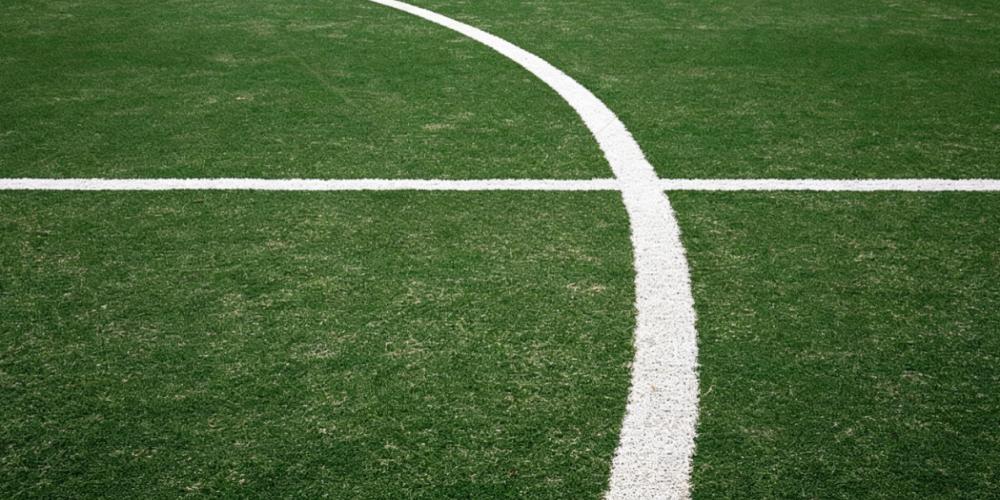
Equally important is the base preparation. A solid, level foundation with good drainage prevents water pooling and prolongs turf life. Concrete or compacted stone dust works best. Ensure the surface is smooth and crack free before laying.
Once installed, artificial turf requires minimal upkeep – just occasional brushing and debris removal. No watering, mowing, or fertilizing saves time and money. making it an eco friendly choice.
September is a peak month for bulk purchasing by overseas distributors; with the long winter holiday season approaching, many clients place their artificial turf orders during this time.
September is a peak month for bulk purchasing by overseas distributors; with the long winter holiday season approaching, many clients place their artificial turf orders during this time.
September is a peak month for bulk purchasing by overseas distributors; with the long winter holiday season approaching, many clients place their artificial turf orders during this time.
September is a peak month for bulk purchasing by overseas distributors; with the long winter holiday season approaching, many clients place their artificial turf orders during this time.
September is a peak month for bulk purchasing by overseas distributors; with the long winter holiday season approaching, many clients place their artificial turf orders during this time.