News Center
Shandong Zhensure New Materials Technology Industry Co., Ltd.


 TEL:+86 19953115220


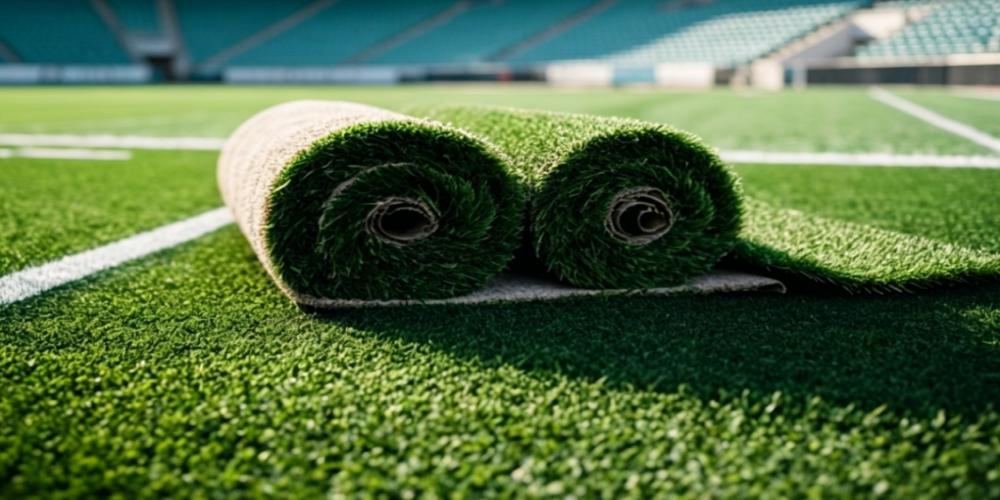
When people see a beautiful green lawn, many assume it must be natural grass. But today, Artificial turf offers a compelling alternative that rivals real grass in appearance while outperforming it in practicality. From health benefits to all-weather durability, synthetic grass solves many problems natural lawns cannot.
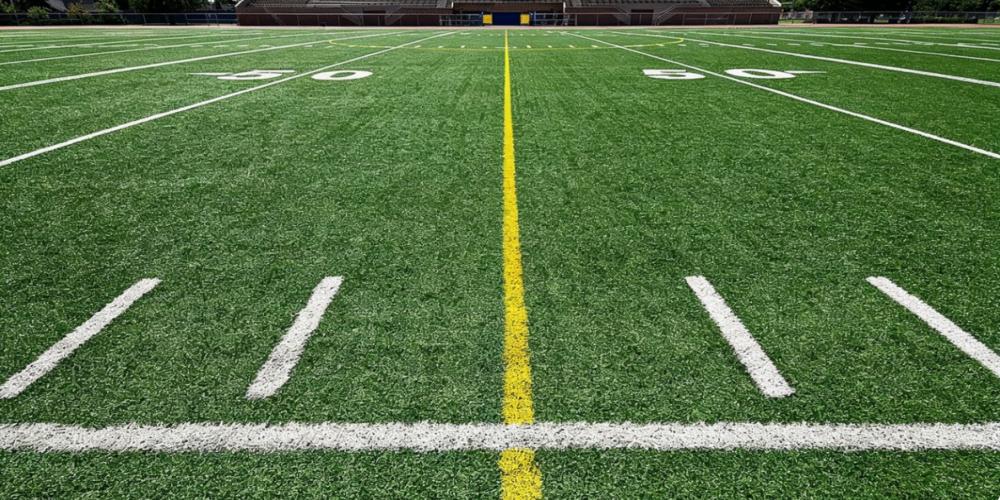
First, artificial turf is healthy and eco‑friendly. Real grass can harbor bacteria, insects, and muddy patches—risky for children. Quality turf is non‑toxic, clean, and stays green even after heavy use. Second, it works in any climate: extreme heat, cold, or high altitudes. Third, it suits countless applications—sports fields, rooftops, schools, and commercial plazas. Fourth, installation is fast over concrete or asphalt, with excellent drainage and low maintenance. Fifth, it resists wear (only 2‑3% fiber loss after rigorous testing). Sixth, sports turf reduces impact and friction, protecting athletes. Seventh, it cuts workload—no mowing, watering, or fertilizing, just occasional checks.
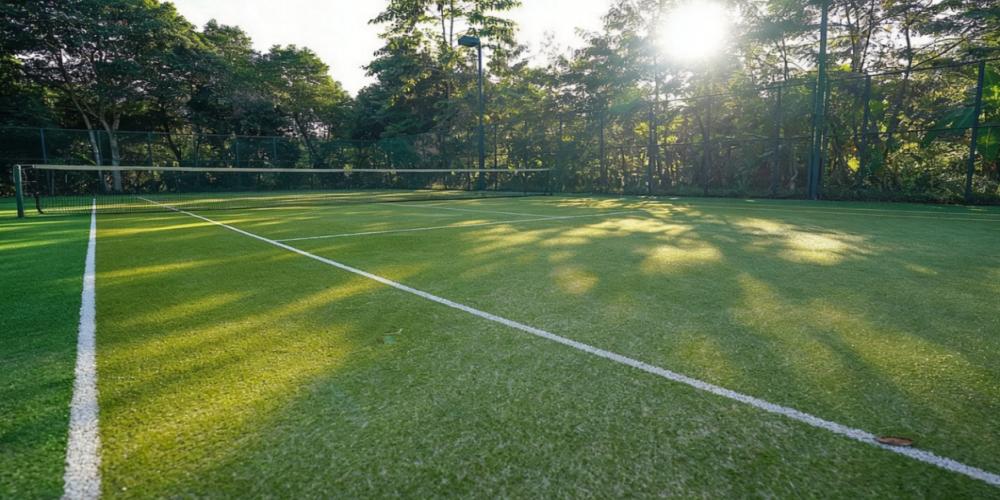
At Zhensure, we manufacture premium artificial turf that meets international standards. As a trusted Chinese factory exporting worldwide, we provide UV‑stabilized, non‑toxic, and highly durable turf for any project. Whether for a stadium, garden, or playground, Zhensure delivers quality at factory‑direct prices. With our expertise, Artificial turf becomes a smart, long‑lasting investment that truly rivals—and often beats—real grass.
September is a peak month for bulk purchasing by overseas distributors; with the long winter holiday season approaching, many clients place their artificial turf orders during this time.
September is a peak month for bulk purchasing by overseas distributors; with the long winter holiday season approaching, many clients place their artificial turf orders during this time.
September is a peak month for bulk purchasing by overseas distributors; with the long winter holiday season approaching, many clients place their artificial turf orders during this time.
September is a peak month for bulk purchasing by overseas distributors; with the long winter holiday season approaching, many clients place their artificial turf orders during this time.
September is a peak month for bulk purchasing by overseas distributors; with the long winter holiday season approaching, many clients place their artificial turf orders during this time.