News Center
Shandong Zhensure New Materials Technology Industry Co., Ltd.


 TEL:+86 19953115220


With rapid technological advancement, Artificial turf is increasingly replacing natural grass in landscapes, sports fields, and recreational areas. Its low maintenance cost, durability, and year‑round greenery make it a preferred choice worldwide. Understanding how synthetic grass is made helps buyers appreciate the quality behind each roll. Below, we walk through the seven essential steps of artificial turf production.
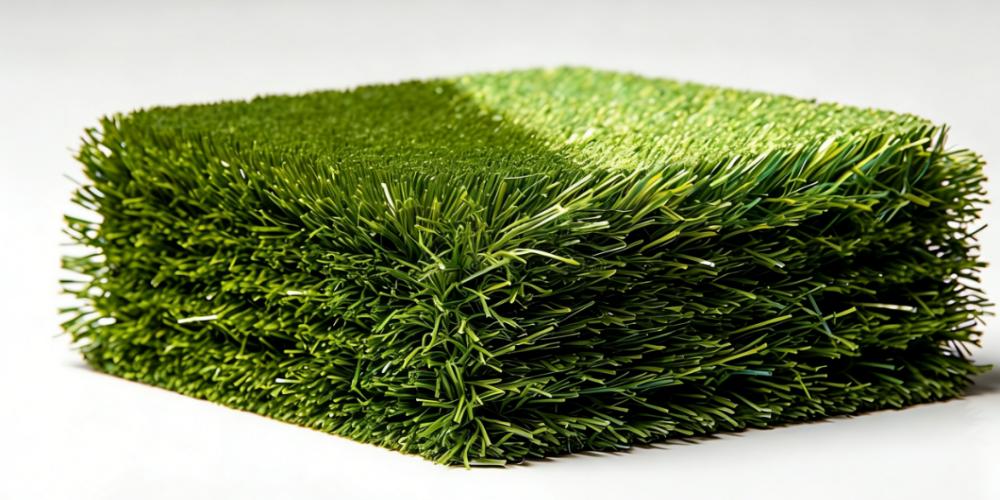
Step 1: Raw Material Extrusion
The process begins with blending raw materials—primarily polyethylene and polypropylene—with eco‑friendly color masterbatches. The mixture is melted in an extruder and forced through spinnerets to form thin, continuous grass fibers.
Step 2: Twisting and Plying
The extruded fibers are then twisted together using a twisting machine. This step creates durable yarns with specific thickness and texture, enhancing the turf's resilience and natural appearance.
Step 3: Tufting
The yarn is fed into a tufting machine, which stitches it through a primary backing fabric. By adjusting stitch density and pile height, manufacturers can create turf suited for sports, landscaping, or indoor use.
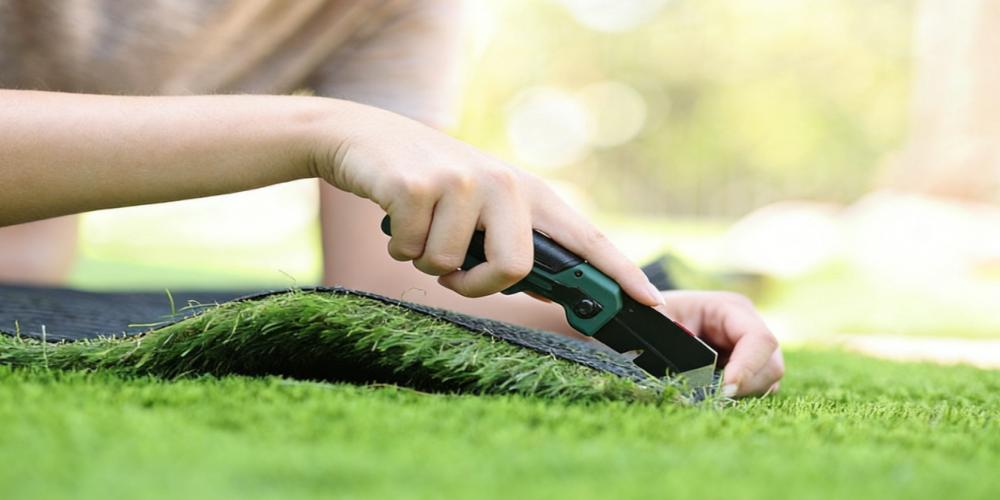
Step 4: Coating with Adhesive
A layer of high‑strength adhesive (often polyurethane or latex) is applied to the back of the turf. This locks the fibers in place, preventing shedding and ensuring long‑term stability.
Step 5: Drying in Oven
The coated turf passes through a large oven where heat rapidly cures the adhesive. This step permanently bonds the fibers to the backing, giving the turf its final strength.
Step 6: Perforating Drainage Holes
Using precision tools, drainage holes are punched into the backing. These holes allow water to pass through quickly, keeping the surface dry and usable even after heavy rain.
Step 7: Cutting and Packaging
Finally, the turf is cut to specified lengths, rolled, and securely packaged. Quality checks ensure each roll meets dimensional and performance standards before being shipped to customers worldwide.
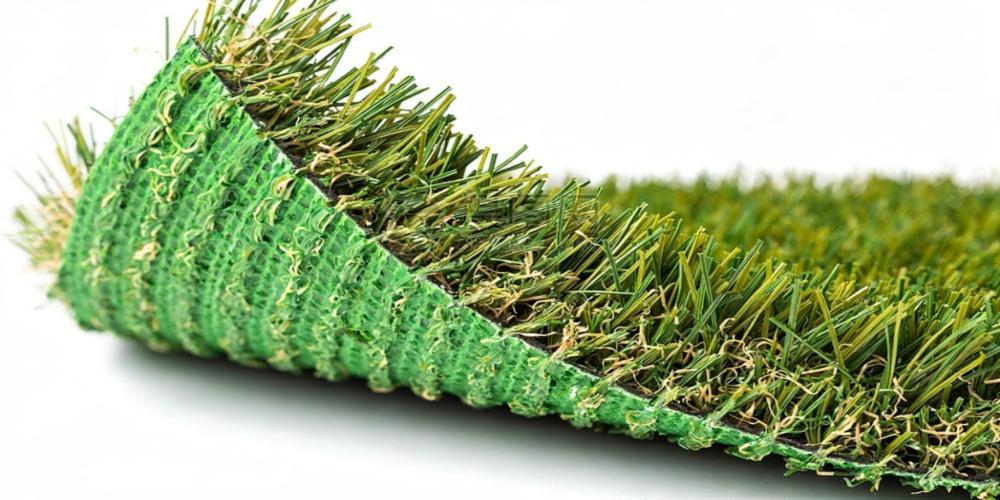
At Zhensure, we take pride in every stage of this manufacturing process. As a specialized Chinese factory with years of export experience, we combine advanced machinery, strict quality control, and sustainable practices to deliver premium artificial turf for global markets. Whether you need durable sports turf, lush landscape grass, or custom solutions, our team ensures your project receives the highest standard of products. With Zhensure, Artificial turf is not just a surface—it is a carefully engineered solution that brings lasting value to every space.
September is a peak month for bulk purchasing by overseas distributors; with the long winter holiday season approaching, many clients place their artificial turf orders during this time.
September is a peak month for bulk purchasing by overseas distributors; with the long winter holiday season approaching, many clients place their artificial turf orders during this time.
September is a peak month for bulk purchasing by overseas distributors; with the long winter holiday season approaching, many clients place their artificial turf orders during this time.
September is a peak month for bulk purchasing by overseas distributors; with the long winter holiday season approaching, many clients place their artificial turf orders during this time.
September is a peak month for bulk purchasing by overseas distributors; with the long winter holiday season approaching, many clients place their artificial turf orders during this time.