News Center
Shandong Zhensure New Materials Technology Industry Co., Ltd.


 TEL:+86 19953115220


Choosing the right artificial grass for your landscaping projects is crucial to ensure durability, aesthetics, and long-term value. As a leading Chinese factory specializing in synthetic turf for global markets, Zhensure understands the importance of quality. In this guide, we’ll walk you through practical methods to distinguish premium artificial grass from substandard products, helping you make informed decisions for your business or clients.
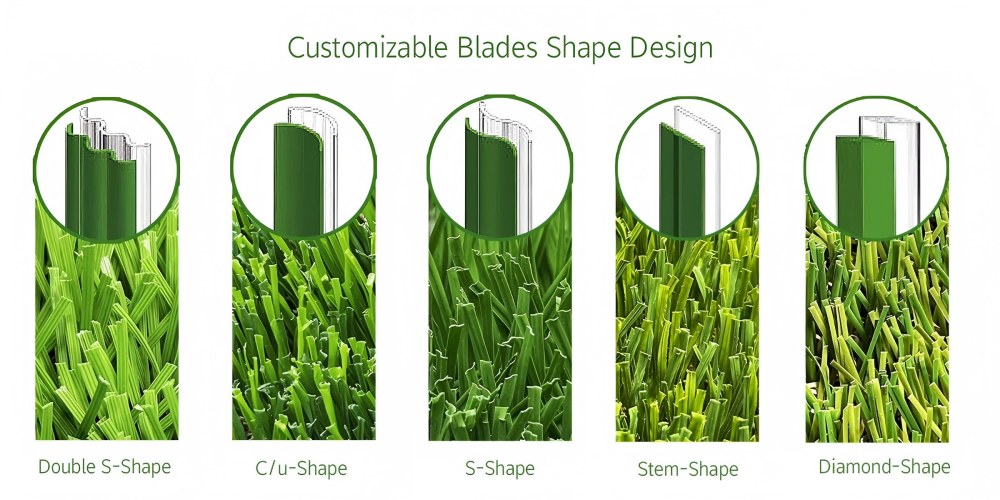
Artificial turf blades come in various shapes, such as U-shaped, M-shaped, diamond-shaped, and with or without thatch. Wider blades typically indicate higher material density, which enhances durability. Blades with added thatch or reinforcement offer better resilience and upright recovery, though they may come at a higher cost. High-quality turf features uniformly aligned blades without tangling, reflecting superior elasticity and toughness.
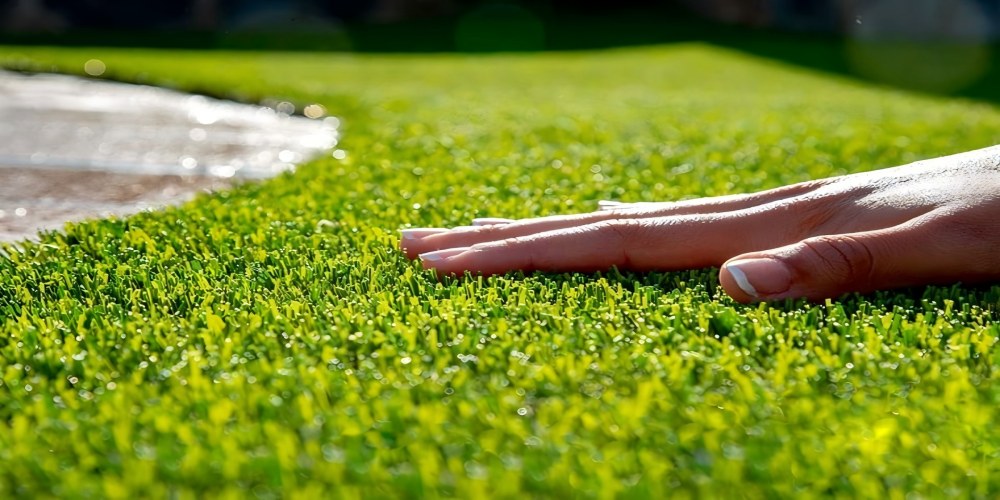
While many assume that softer turf indicates better quality, the opposite is often true. Artificial grass designed for heavy foot traffic should feel firm and robust. Softer blades may lack the necessary rigidity to bounce back after use, leading to matting and premature wear. At Zhensure, our synthetic turf is engineered to withstand frequent use while maintaining its shape and structural integrity.
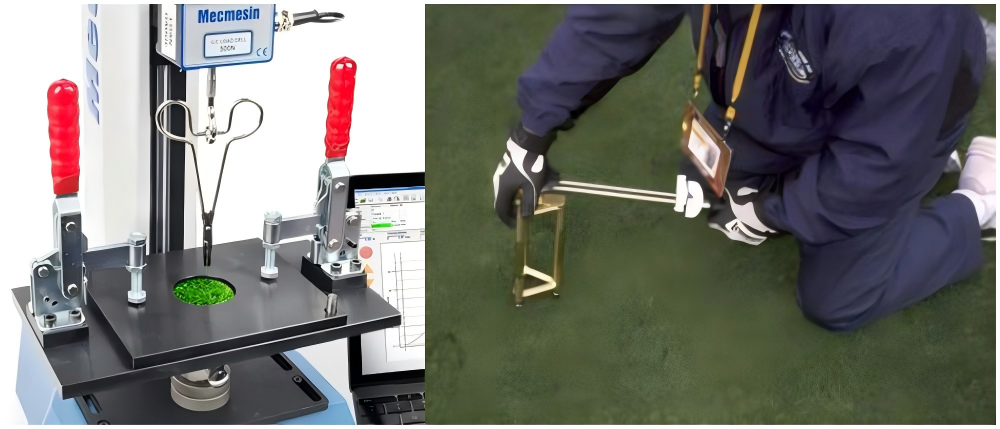
The resistance of turf blades to pulling is a key indicator of quality. To test, tightly grip a cluster of blades and attempt to pull them out. If the blades remain firmly in place, the product excels in durability. If only a few blades come loose, the turf is still of decent quality. However, if blades detach easily, it’s a sign of inferior manufacturing. This test helps assess the turf’s ability to endure intense activities, making it ideal for landscaping projects that require long-lasting performance.
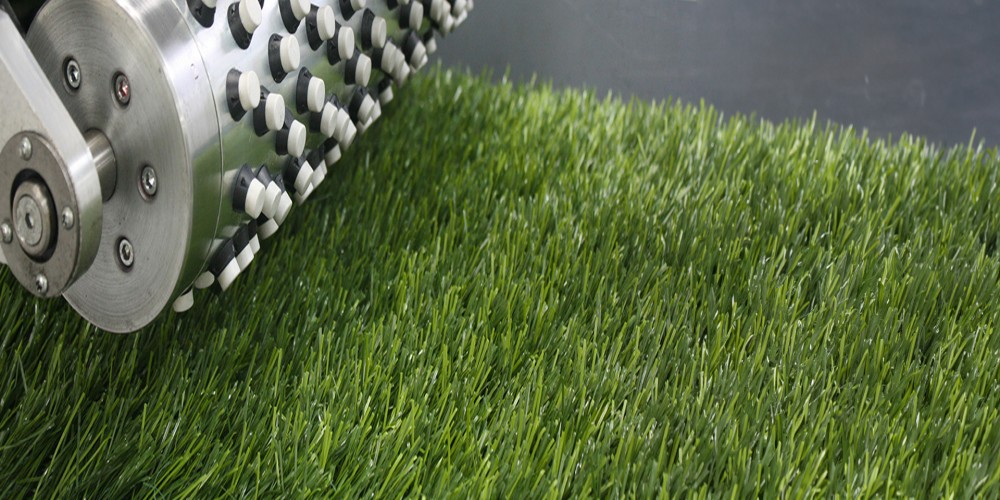
Place a sample of the turf on a flat surface and press down firmly with your palm. Observe how quickly the blades rebound after releasing pressure. Rapid recovery signifies excellent elasticity and resilience. For a more rigorous test, leave the turf under heavy weight for several days, then allow it to rest under sunlight. High-quality turf will regain its original appearance, demonstrating superior recovery capabilities.
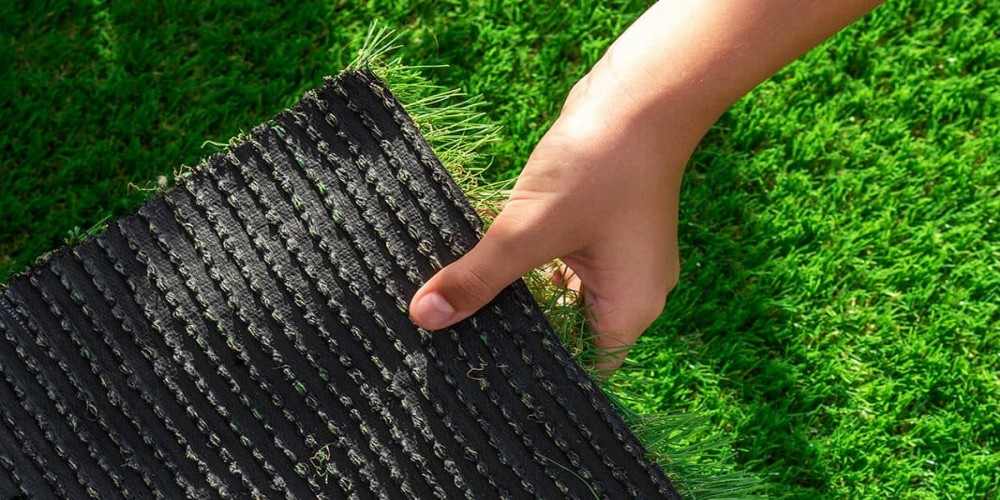
The backing material is the foundation of artificial grass. To test its strength, hold the turf vertically and attempt to tear the backing apart. If it resists tearing, the product is well-constructed. Turf that tears easily may lack the durability needed for commercial or residential use. Zhensure’s synthetic grass features a robust backing system that ensures longevity and stability, even under harsh conditions. Our products meet international durability standards, providing reliability for various applications.
Understanding how to identify high-quality artificial grass is essential for importers, distributors, and wholesalers looking to source reliable products. By following these steps, you can confidently evaluate synthetic turf and select options that meet your market’s demands. As a trusted supplier, Zhensure is committed to delivering premium artificial turf that combines innovation, durability, and aesthetic appeal. Partner with us to elevate your offerings and meet the growing needs of your customers with confidence.
September is a peak month for bulk purchasing by overseas distributors; with the long winter holiday season approaching, many clients place their artificial turf orders during this time.
September is a peak month for bulk purchasing by overseas distributors; with the long winter holiday season approaching, many clients place their artificial turf orders during this time.
September is a peak month for bulk purchasing by overseas distributors; with the long winter holiday season approaching, many clients place their artificial turf orders during this time.
September is a peak month for bulk purchasing by overseas distributors; with the long winter holiday season approaching, many clients place their artificial turf orders during this time.
September is a peak month for bulk purchasing by overseas distributors; with the long winter holiday season approaching, many clients place their artificial turf orders during this time.