News Center
Shandong Zhensure New Materials Technology Industry Co., Ltd.


 TEL:+86 19953115220


When sourcing artificial grass for your market, understanding the direct correlation between price and quality is paramount for making profitable decisions. As a discerning importer or distributor, your reputation hinges on providing a durable and high-performing product. This article breaks down the primary components of synthetic turf and explains how material choices in each stage directly impact the final product's cost, durability, and suitability for various applications, ensuring you can select the optimal solution for your clients.
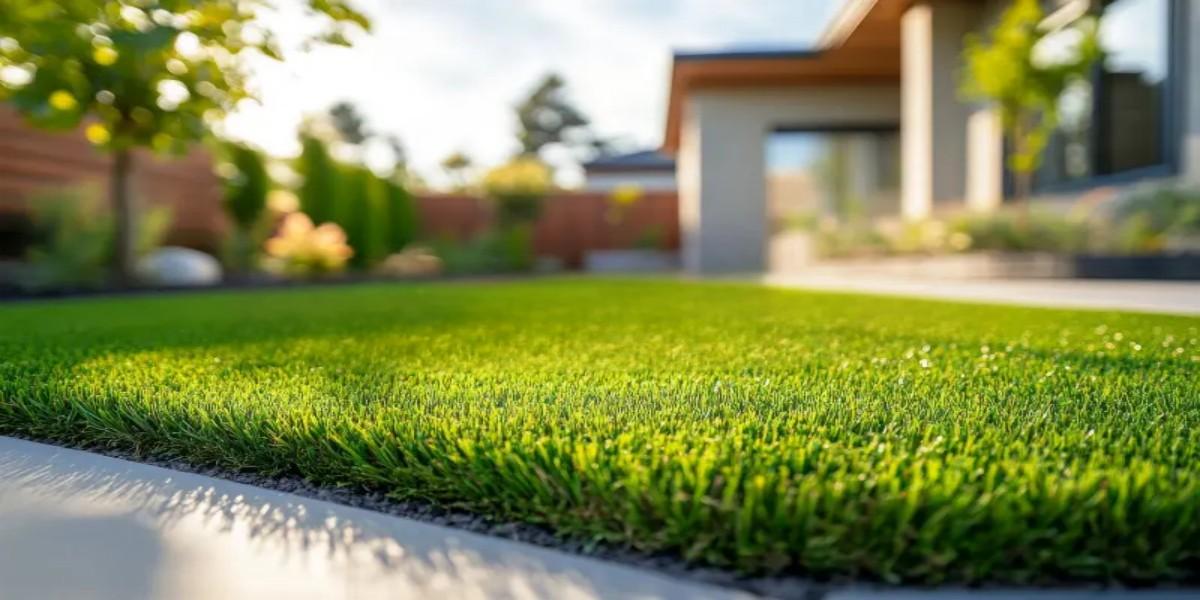
The final quote for a synthetic lawn is predominantly determined by the raw materials used in its three core elements: the grass yarn, the primary backing, and the coating (latex or PU). A deeper understanding of these components allows for a value-based assessment beyond the initial price per square meter.
1. Grass Yarn: The Foundation of Performance and Feel
The yarn is the most visible part of the turf and plays the biggest role in its performance.
Denier (Weight/Thickness): Denier refers to the mass in grams of 10,000 meters of yarn. A higher denier indicates a thicker, heavier yarn. This directly translates to enhanced durability, better resilience, and a longer lifespan, but also a higher material cost.
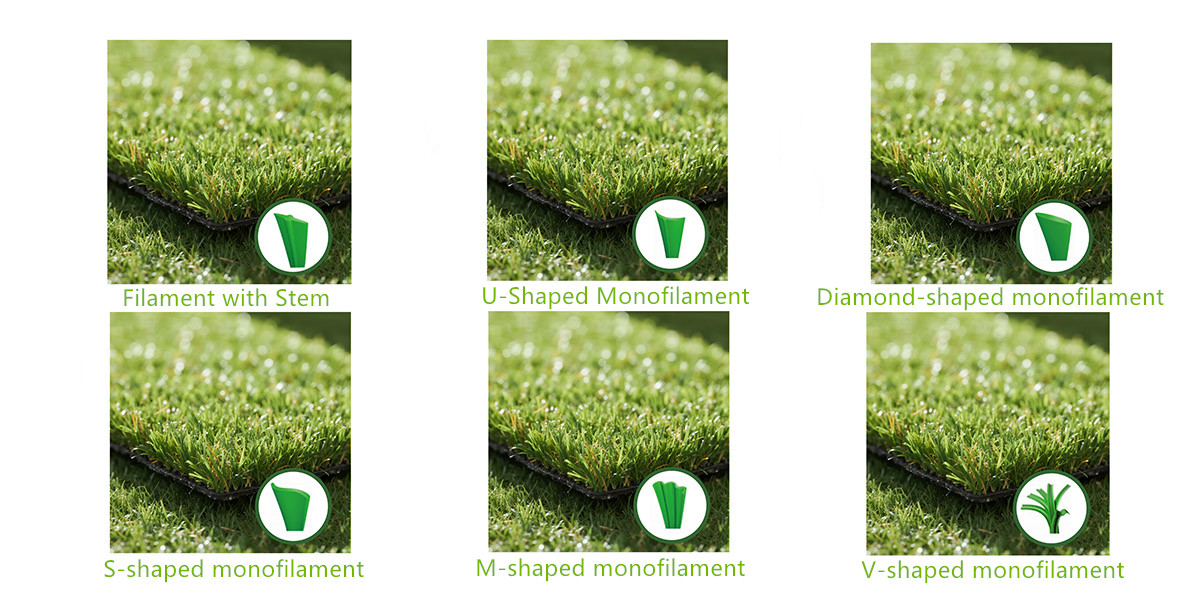
Yarn Shape: The filament's cross-sectional shape (e.g., diamond, C-shaped, U-shaped) is engineered to influence key characteristics like resilience, softness, and light reflection. These shapes contribute to the turf's ability to spring back after use and affect its overall aesthetic.
Primary Material:PE is softer, more UV-resistant, and provides a natural grass-like feel, making it ideal for landscaping, playgrounds, and sports fields. PP is stiffer and typically used for more budget-conscious applications or as a thatch layer in some systems. Many modern high-quality artificial turf products skillfully blend PE and PP fibers to balance cost with performance.
Functional Additives: Premium yarns can include additives for specific functionalities, such as cooling infrared pigments to reduce surface temperature, UV stabilizers to prevent fading, and antimicrobial agents.
2. Primary Backing and Coating: The Unseen Support System
The backing system is the backbone that holds the entire structure together.
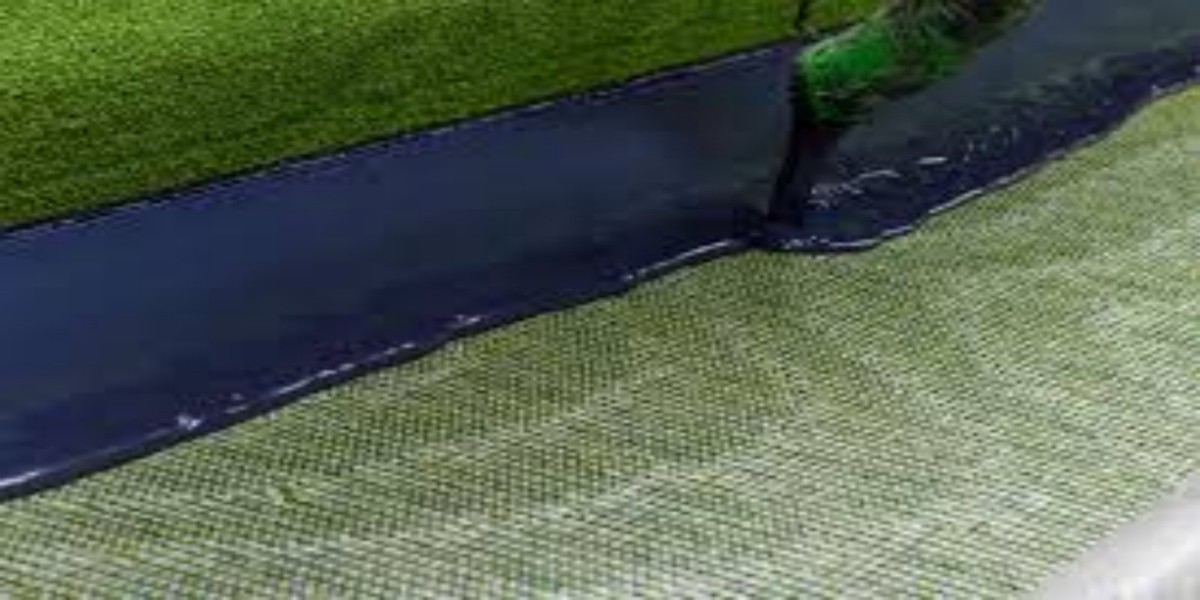
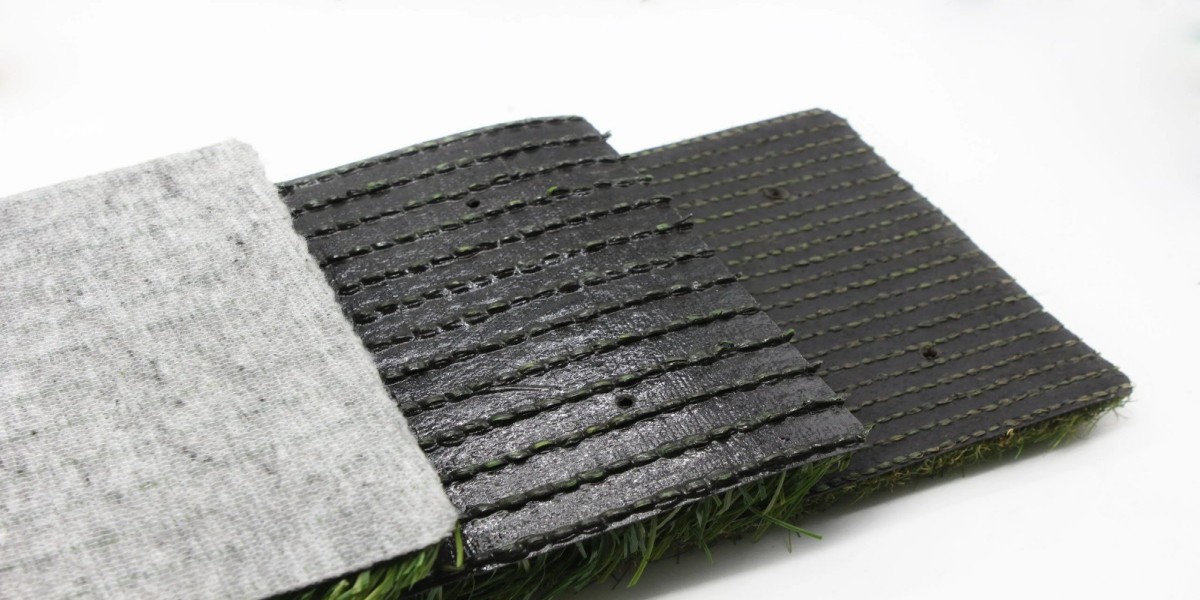
Coating: The backing is coated with a layer (usually SBR latex or polyurethane) to lock the yarn tufts firmly in place. While SBR latex is a common and cost-effective option, polyurethane (PU) backing is superior. It is more flexible, durable, and environmentally friendly, significantly reducing the risk of tuft loss over time, which is a hallmark of a durable synthetic grass product. The weight and quality of the coating directly affect the turf's tuft-bind strength.
By partnering with a manufacturer like Zhensure that prioritizes high-grade materials and precise engineering, you ensure a consistent and reliable product. Investing in quality across these three components might involve a higher initial cost, but it pays dividends in customer satisfaction, reduced complaints, and a stronger brand reputation. A well-informed selection process for your artificial grass supply is the most effective strategy for long-term success in the competitive landscaping and sports surface market.
September is a peak month for bulk purchasing by overseas distributors; with the long winter holiday season approaching, many clients place their artificial turf orders during this time.
September is a peak month for bulk purchasing by overseas distributors; with the long winter holiday season approaching, many clients place their artificial turf orders during this time.
September is a peak month for bulk purchasing by overseas distributors; with the long winter holiday season approaching, many clients place their artificial turf orders during this time.
September is a peak month for bulk purchasing by overseas distributors; with the long winter holiday season approaching, many clients place their artificial turf orders during this time.
September is a peak month for bulk purchasing by overseas distributors; with the long winter holiday season approaching, many clients place their artificial turf orders during this time.