News Center
Shandong Zhensure New Materials Technology Industry Co., Ltd.


 TEL:+86 19953115220


When selecting high-quality Artificial Grass, buyers often focus on the manufacturer’s reputation, product durability, and cost. However, one aspect that is frequently overlooked—yet critically important—is the role of infill materials. Infill is not just an accessory; it significantly influences the performance, safety, and longevity of synthetic turf systems. In fact, infill contributes more than 50% to key properties such as surface elasticity, traction, and overall comfort. At Zhensure, we believe that understanding the function of infill can help you make smarter decisions for your projects. This article explains why infill is indispensable for premium artificial grass installations.
1. Prolongs the Lifespan of Artificial Grass
High-traffic areas demand more than just dense, durable grass blades. Without proper infill, the turf pile can quickly flatten, fray, or separate from the backing after repeated use. Infill materials act as a supportive layer, helping the grass fibers bounce back and reducing wear. This not only extends the turf’s usable life but also minimizes injury risks for athletes and frequent users.
2. Stabilizes the Turf Structure
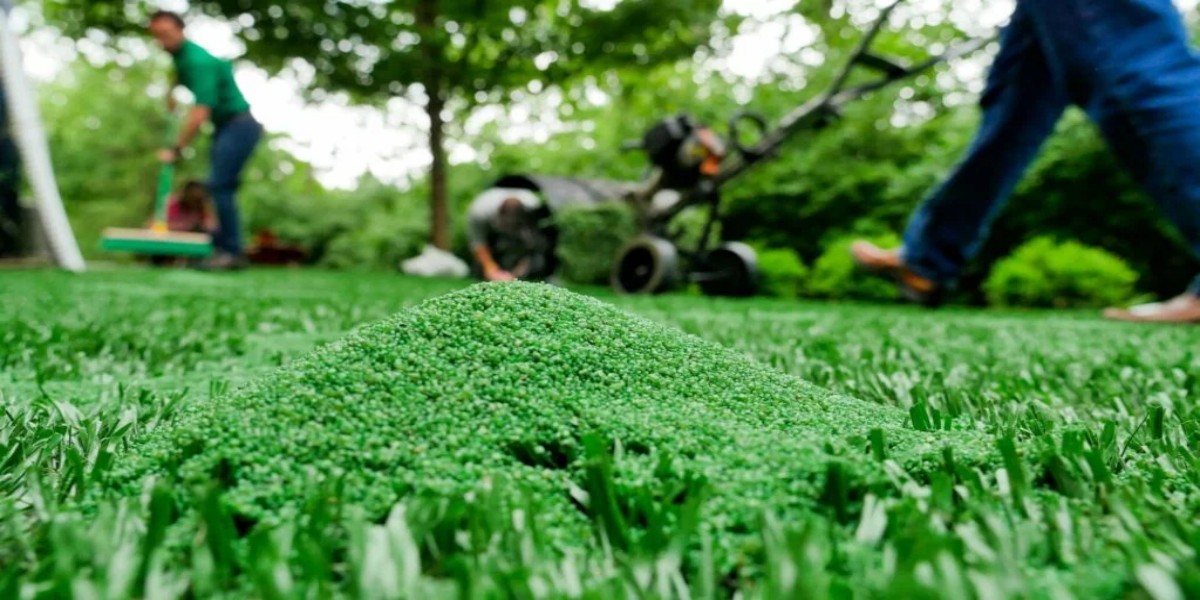
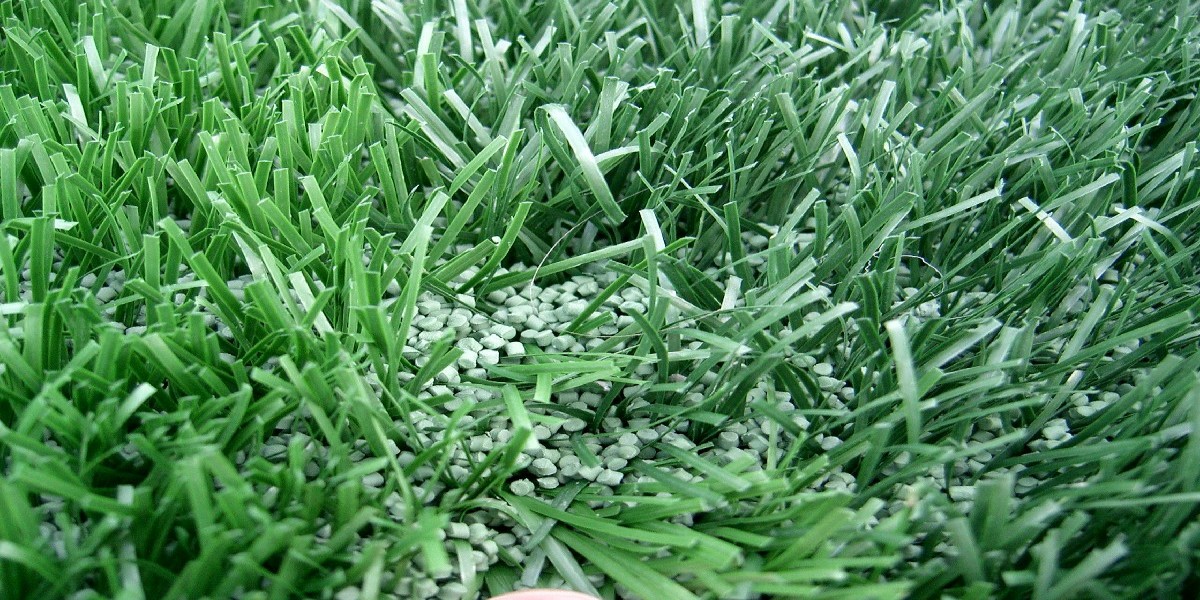
Unlike natural grass, synthetic turf has no soil base. To prevent shifting or wrinkling, it needs ballast. This is where infill such as silica sand and rubber granules comes in. Silica sand adds weight and stability, while rubber granules provide cushioning. For optimal performance, we recommend a combination of 25kg of 40-60 mesh silica sand and 6kg of 14-16 mesh rubber granules for turf with a pile height of 35mm. This balance ensures the turf remains securely in place, even under heavy use.
3. Improves Traction and Safety
Most artificial grass is made from polyethylene, which can become slippery when wet. Infill materials, especially rubber granules, increase surface friction and improve grip. This is crucial for sports fields, playgrounds, and landscaping projects where safety is a priority. With the right infill, artificial grass offers reliable traction in various weather conditions, enhancing both usability and performance.
At Zhensure, we supply professional-grade artificial grass and compatible infill materials tailored for durability and safety. Our products are trusted by importers and distributors worldwide for their consistent quality and performance.
Conclusion
Infill is far more than a supplementary material—it is a core component that defines the functionality and durability of Artificial Grass. From extending turf life to enhancing safety, the right infill ensures your synthetic lawn or sports field performs optimally for years. As a leading factory specializing in synthetic turf solutions, Zhensure is committed to providing clients with comprehensive products and expert guidance. Whether you are an importer, distributor, or contractor, choosing the correct infill will help you deliver superior results to your customers. Explore our range of artificial grass and accessories to build projects that stand the test of time.
September is a peak month for bulk purchasing by overseas distributors; with the long winter holiday season approaching, many clients place their artificial turf orders during this time.
September is a peak month for bulk purchasing by overseas distributors; with the long winter holiday season approaching, many clients place their artificial turf orders during this time.
September is a peak month for bulk purchasing by overseas distributors; with the long winter holiday season approaching, many clients place their artificial turf orders during this time.
September is a peak month for bulk purchasing by overseas distributors; with the long winter holiday season approaching, many clients place their artificial turf orders during this time.
September is a peak month for bulk purchasing by overseas distributors; with the long winter holiday season approaching, many clients place their artificial turf orders during this time.