News Center
Shandong Zhensure New Materials Technology Industry Co., Ltd.


 TEL:+86 19953115220


Maintaining football artificial turf during scorching summers requires specialized strategies. As a leading Chinese manufacturer, Zhenshuo NewTech shares professional insights to help global distributors protect their investments. Unlike natural grass, synthetic turf demands targeted care to combat heat, humidity, and heavy rainfall.
1. Temperature Control: Prevent Surface Damage
High-density polyethylene (HDPE) fibers can reach 65°C+ in peak summer, affecting playability and longevity. Effective solutions include:
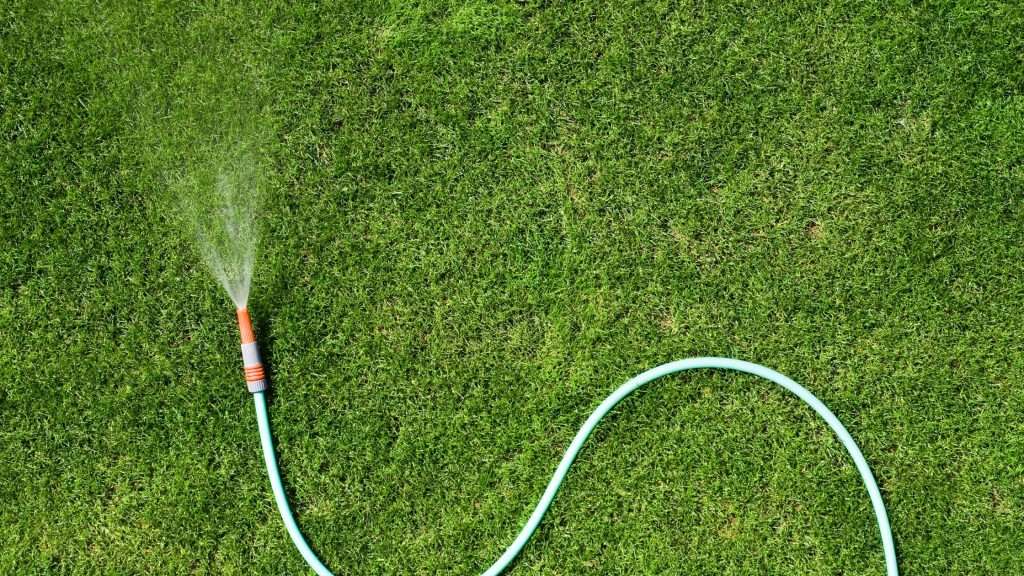
Even mist cooling: Apply light water spray (15-20 mins pre-game) to reduce surface temperature by 15-20°C
UV stabilizer treatment: Our proprietary additives minimize heat absorption
Tip: Avoid midday use when temperatures exceed 40°C
Monsoon seasons challenge even advanced drainage systems:
Post-storm inspection: Check for rubber granule loss (critical for shock absorption)
Debris clearance: Remove leaves/clogging agents within 24 hours of heavy rain
Slope verification: Ensure 1-2% gradient maintains 20-minute drainage capacity
Southern China’s 80%+ humidity tests show:
Monthly deep cleaning: Apply potassium peroxymonosulfate-based solutions to prevent slipperiness
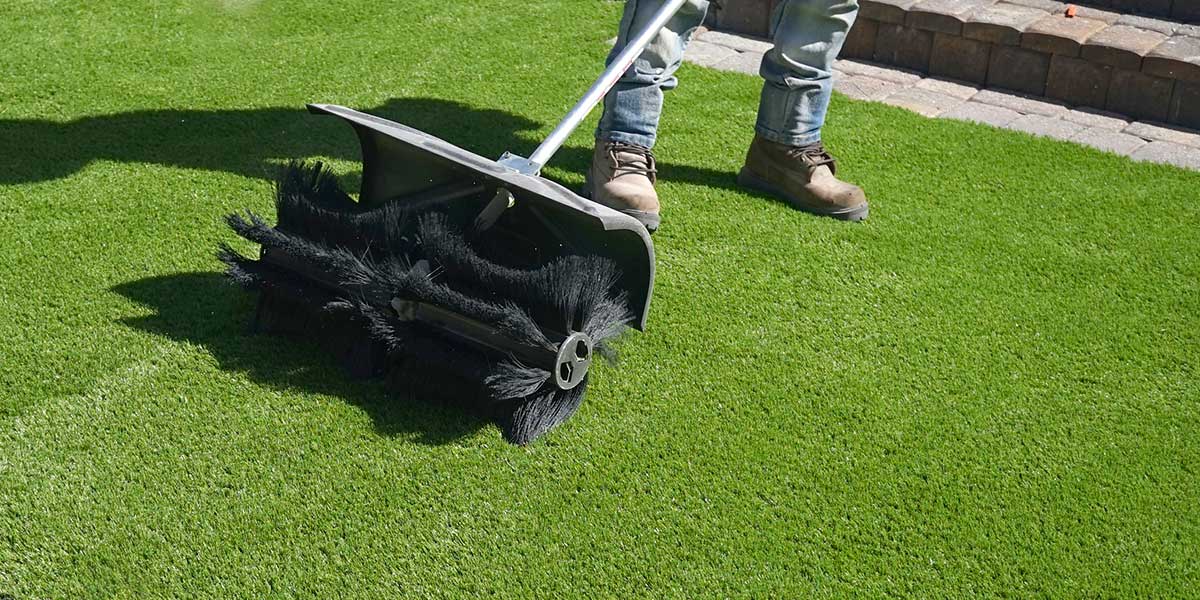
Fiber separation: Brush vertically every 2 weeks to disrupt spore colonies
Zhenshuo’s anti-microbial turf reduces biofilm formation by 70% vs standard products
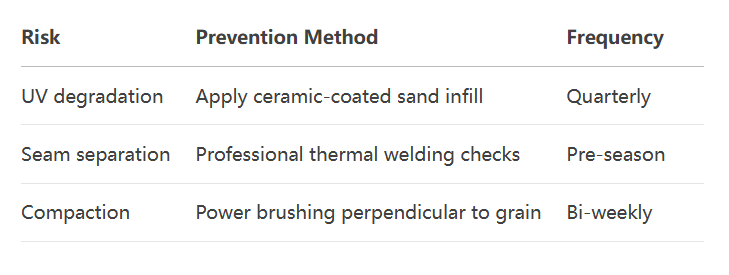
Over 37% of turf replacements stem from inadequate summer care. Zhenshuo’s artificial turf systems integrate cooling technology and enhanced drainage, reducing maintenance costs by 45% for partners in Southeast Asia and the Middle East.
Request our Climate-Specific Maintenance Protocol to protect your inventory through extreme seasons.
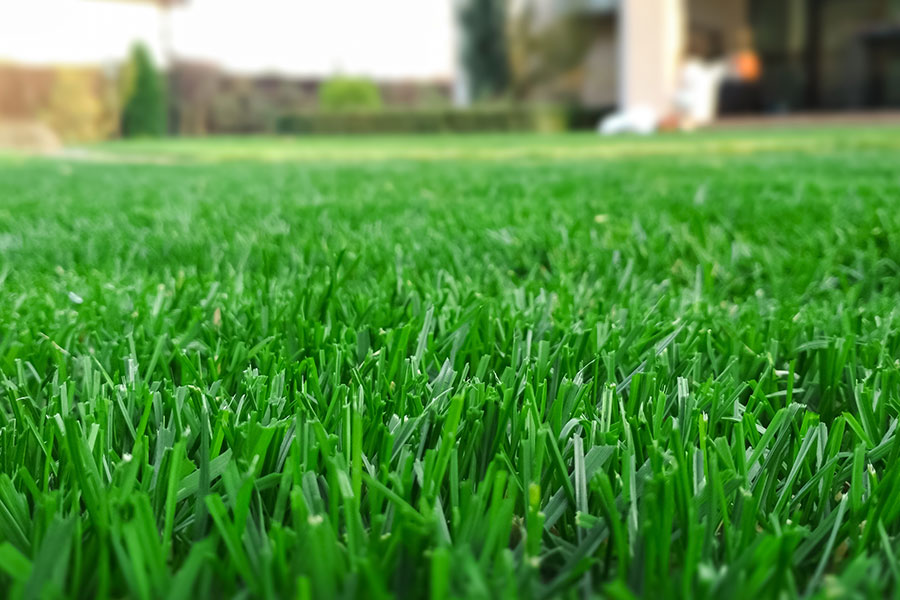
September is a peak month for bulk purchasing by overseas distributors; with the long winter holiday season approaching, many clients place their artificial turf orders during this time.
September is a peak month for bulk purchasing by overseas distributors; with the long winter holiday season approaching, many clients place their artificial turf orders during this time.
September is a peak month for bulk purchasing by overseas distributors; with the long winter holiday season approaching, many clients place their artificial turf orders during this time.
September is a peak month for bulk purchasing by overseas distributors; with the long winter holiday season approaching, many clients place their artificial turf orders during this time.
September is a peak month for bulk purchasing by overseas distributors; with the long winter holiday season approaching, many clients place their artificial turf orders during this time.