News Center
Shandong Zhensure New Materials Technology Industry Co., Ltd.


 TEL:+86 19953115220


Proper artificial turf maintenance becomes critical during hot summer months to preserve performance and longevity. This guide reveals expert techniques to protect your synthetic grass from heat, humidity, and seasonal challenges while keeping it pristine year-round.
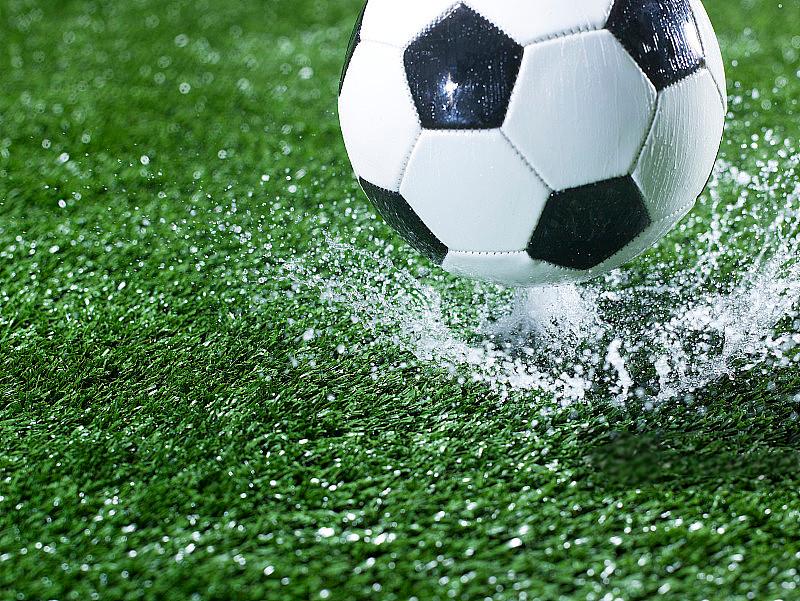
During heatwaves, artificial turf surfaces can become significantly hotter than natural grass. Cool your turf by lightly sprinkling water in early
morning or evening hours. Avoid midday watering to prevent scalding, and never over-saturate - a damp surface is sufficient. For sports fields using rubber infill systems, this also helps prevent hardening.

·While rain naturally rinses dust, summer requires proactive cleaning:
·Remove debris within 24 hours using leaf blowers or plastic rakes
·Treat stains immediately: Use mild detergent for food spills, isopropyl alcohol for grease
·Never use harsh chemicals that degrade polyethylene fibers
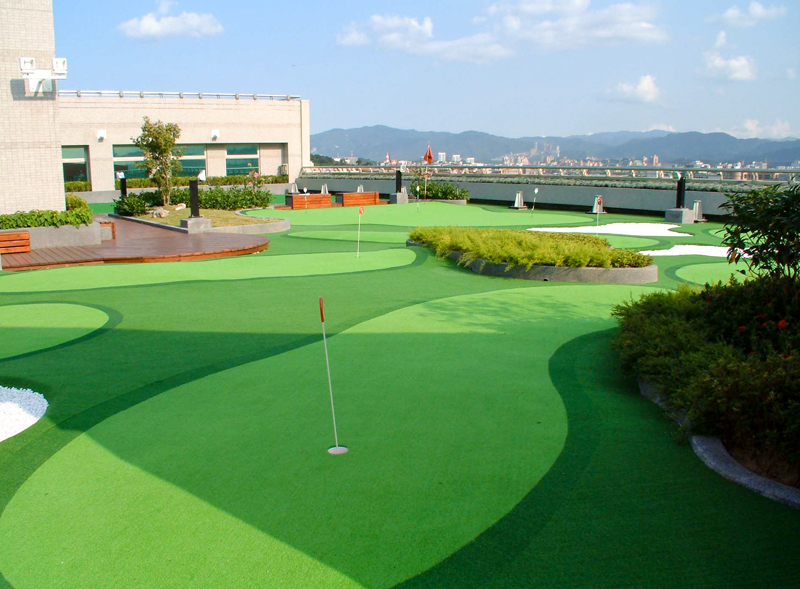
Heavy summer storms test drainage capabilities:
·Clear drainage outlets monthly to prevent clogging
·After downpours, inspect for pooling water (should drain within 30 minutes)
·Replenish displaced infill to maintain surface stability
For severe flooding issues, consult ourdrainage solutions guide
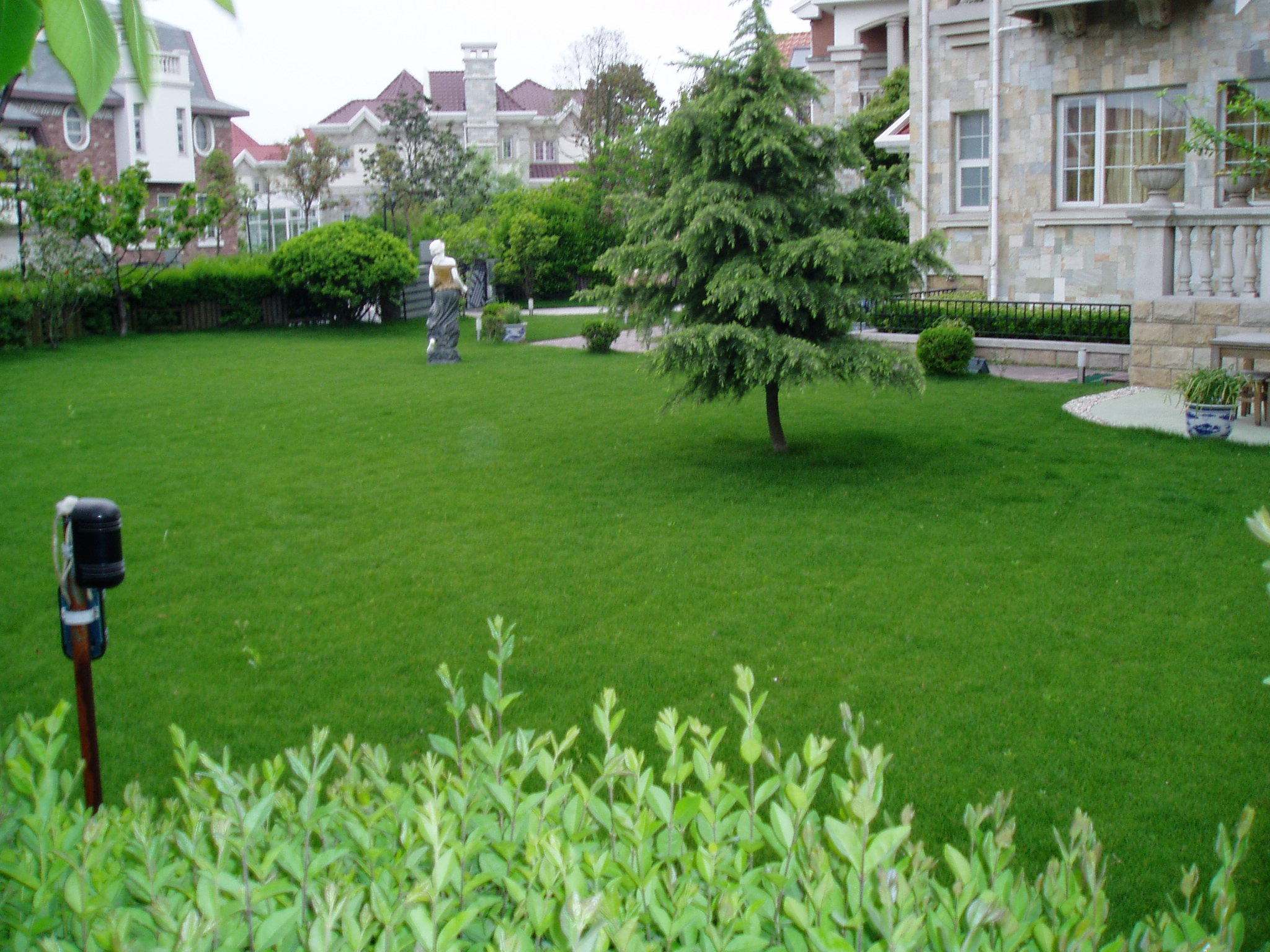
In humid climates (especially Southern regions):
·Apply anti-algae treatments quarterly
·Brush fibers weekly to prevent moisture trapping
·Ensure proper air circulation around turf edges
·Consider silica sand infill to absorb excess moisture

Pro Tip: Install shade structures near high-traffic areas to reduce surface temperatures by up to 15°F. Consistent artificial turf maintenance during summer prevents costly repairs and extends your surface's lifespan by 3-5 years.
September is a peak month for bulk purchasing by overseas distributors; with the long winter holiday season approaching, many clients place their artificial turf orders during this time.
September is a peak month for bulk purchasing by overseas distributors; with the long winter holiday season approaching, many clients place their artificial turf orders during this time.
September is a peak month for bulk purchasing by overseas distributors; with the long winter holiday season approaching, many clients place their artificial turf orders during this time.
September is a peak month for bulk purchasing by overseas distributors; with the long winter holiday season approaching, many clients place their artificial turf orders during this time.
September is a peak month for bulk purchasing by overseas distributors; with the long winter holiday season approaching, many clients place their artificial turf orders during this time.