News Center
Shandong Zhensure New Materials Technology Industry Co., Ltd.


 TEL:+86 19953115220


Introduction
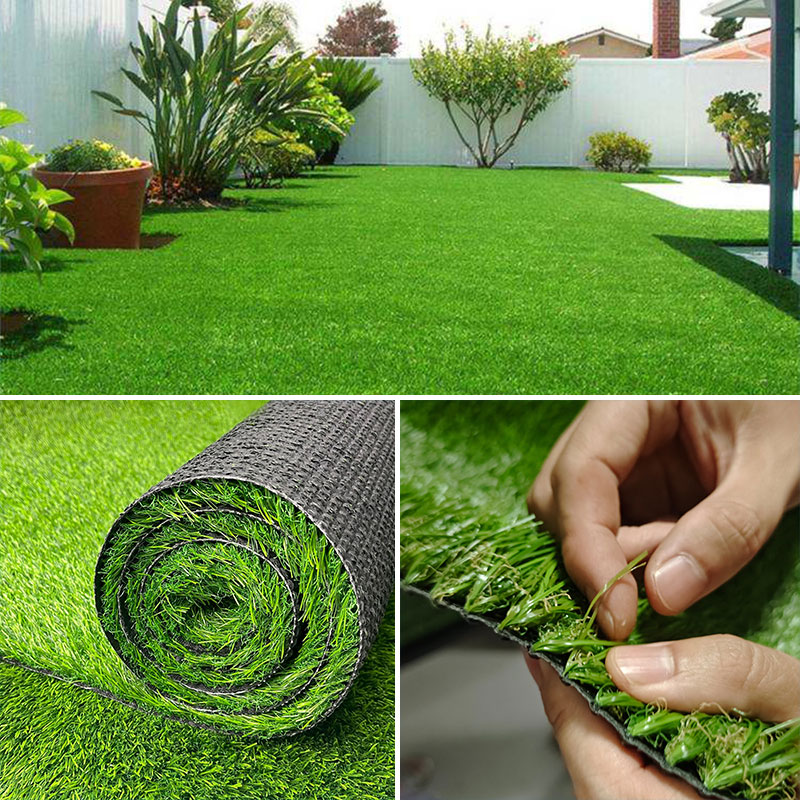
When planning an artificial turf project, homeowners often encounter specific installation quirks. Understanding these nuances ensures a flawless result. This guide addresses the most common Artificial Grass FAQs, clarifying why certain techniques like partial adhesion and precise seaming are crucial. Let’s demystify the process behind synthetic lawn installations.
1. Why Isn’t Turf Fully Glued to the Base?
Full adhesion creates tension points, causing wrinkles or tears during temperature changes. Professionals secure only perimeters and seams (using specialized tape and glue), allowing the center to expand/contract naturally. This prevents buckling and extends turf lifespan.
2. Why Overlap Turf by 2cm Before Trimming?
A 2cm overlap compensates for minor cutting inaccuracies. After aligning turf fibers, installers trim both pieces simultaneously along the seam line. This "double-cut method" guarantees invisible joins, crucial for a seamless lawn appearance.
3. Why Do Some Loose Blades Appear On-Site?
Loose strands are typically trimming remnants trapped during manufacturing/shipping – not fiber shedding. Vacuuming during installation removes them. Genuine fiber loss is rare with UV-stabilized turf; if excessive, check infill depth on our website.
4. What Causes Turf Wrinkles After Installation?
Wrinkles stem from inadequate base compaction or skipped perimeter anchoring. A properly compacted gravel/sand base (3-4 inches deep) prevents shifting. Always secure edges every 6-8 inches using 5-6 inch nails, especially on slopes.
5. Why Does Newly Unrolled Turf Look Color-Mismatched?
Rolls from different production batches may show slight hue variations due to dye lot differences. This resolves within 24-48 hours of UV exposure as pigments stabilize. For consistency, order all turf at once and verify batch numbers upon delivery.
Conclusion
Mastering these installation nuances transforms synthetic lawn results. From strategic seaming to batch awareness, addressing these Artificial Grass FAQs ensures your landscape stays pristine for years.Explore our homepage for more turf care tips or consult our detailed seaming tutorial for flawless joins.
September is a peak month for bulk purchasing by overseas distributors; with the long winter holiday season approaching, many clients place their artificial turf orders during this time.
September is a peak month for bulk purchasing by overseas distributors; with the long winter holiday season approaching, many clients place their artificial turf orders during this time.
September is a peak month for bulk purchasing by overseas distributors; with the long winter holiday season approaching, many clients place their artificial turf orders during this time.
September is a peak month for bulk purchasing by overseas distributors; with the long winter holiday season approaching, many clients place their artificial turf orders during this time.
September is a peak month for bulk purchasing by overseas distributors; with the long winter holiday season approaching, many clients place their artificial turf orders during this time.