News Center
Shandong Zhensure New Materials Technology Industry Co., Ltd.


 TEL:+86 19953115220


When selecting artificial turf, many people face confusion about the best height and density for their specific needs. This guide will help you understand how to choose artificial turf based on height and density, ensuring optimal performance for applications like sports fields or decorative landscaping. By considering these key factors, you can avoid common pitfalls and make an informed decision for your project.
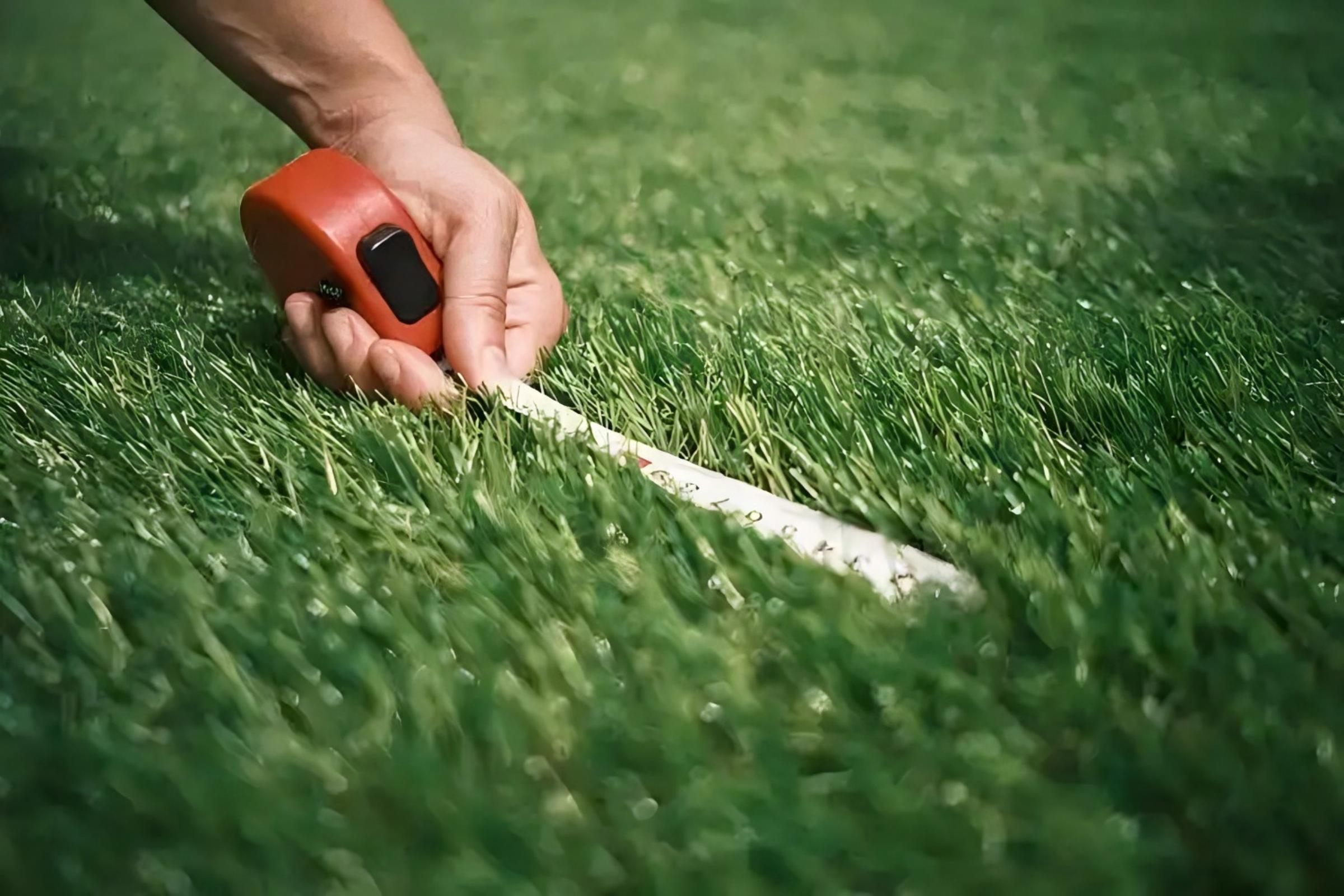
Not all artificial turf has the same height or density, as variations exist between decorative and sports applications. For instance, decorative turf used in hotels, malls, or homes typically features heights of 15mm, 20mm, or 30mm with a straight-curved blend, and a high density of around 16,800 stitches per square meter. In contrast, sports turf for football fields often uses a taller height of 50mm with monofilament fibers and a lower density of about 10,500 stitches per square meter. Manufacturers can customize these parameters based on client requirements, so they're not fixed rules. For example, football fields require infill like quartz sand and rubber granules after installation to support the grass fibers and meet testing standards, while decorative turf relies on its high density and lower height for easy ground placement without infill, ensuring comfort and aesthetics.
Price is another key consideration, as height and density directly impact artificial turf costs. Higher density or greater height increases material usage, raising the price. Therefore, it's essential to assess your specific needs—such as usage frequency and surface type—rather than opting for standard options. For more details on related products, check out our sports turf collection or explore our decorative turf options. By tailoring your choice, you can achieve the perfect balance of performance and value for your artificial turf project. Remember, mastering how to choose artificial turf based on height and density ensures long-term satisfaction and efficiency in any setting.
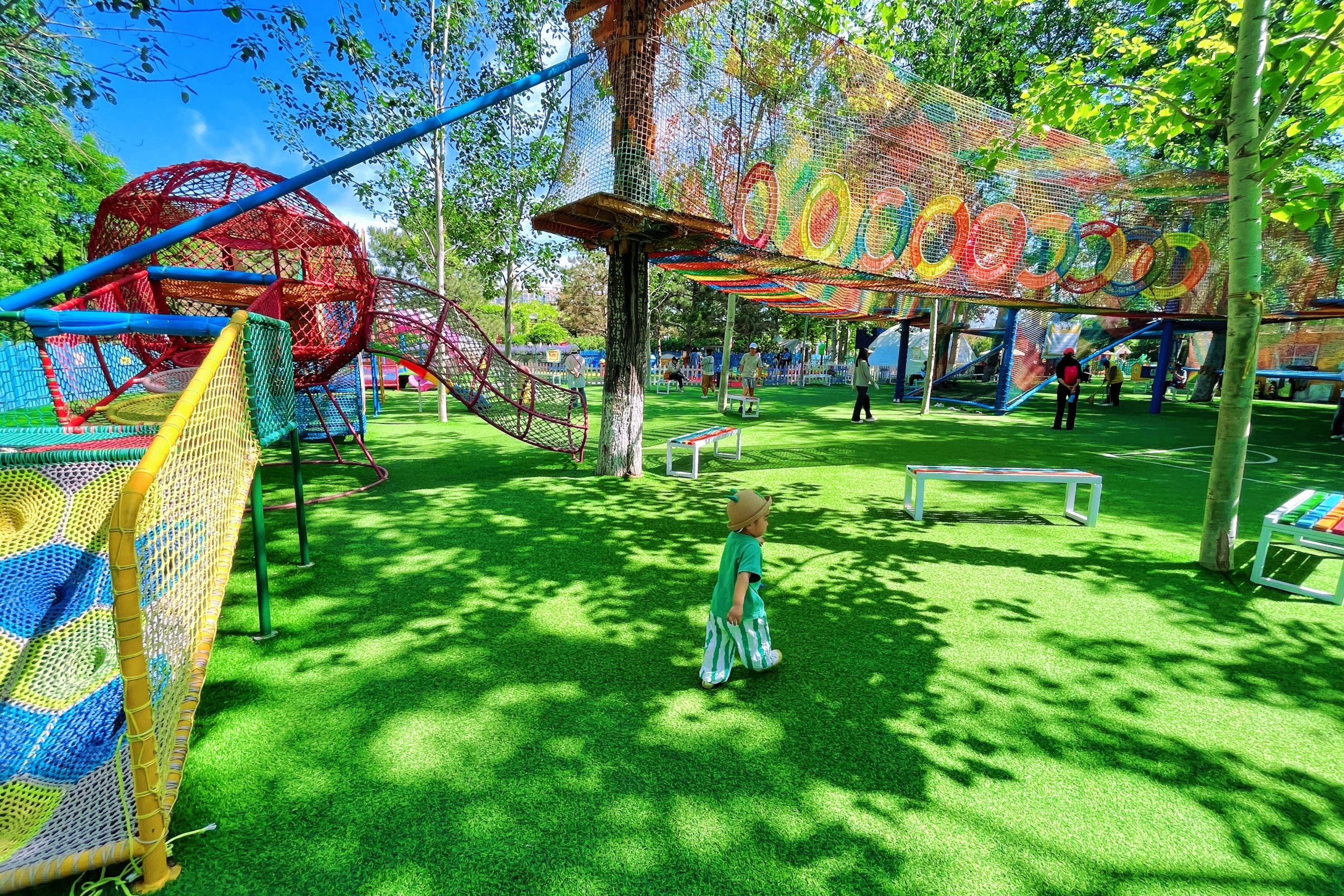
September is a peak month for bulk purchasing by overseas distributors; with the long winter holiday season approaching, many clients place their artificial turf orders during this time.
September is a peak month for bulk purchasing by overseas distributors; with the long winter holiday season approaching, many clients place their artificial turf orders during this time.
September is a peak month for bulk purchasing by overseas distributors; with the long winter holiday season approaching, many clients place their artificial turf orders during this time.
September is a peak month for bulk purchasing by overseas distributors; with the long winter holiday season approaching, many clients place their artificial turf orders during this time.
September is a peak month for bulk purchasing by overseas distributors; with the long winter holiday season approaching, many clients place their artificial turf orders during this time.