News Center
Shandong Zhensure New Materials Technology Industry Co., Ltd.


 TEL:+86 19953115220


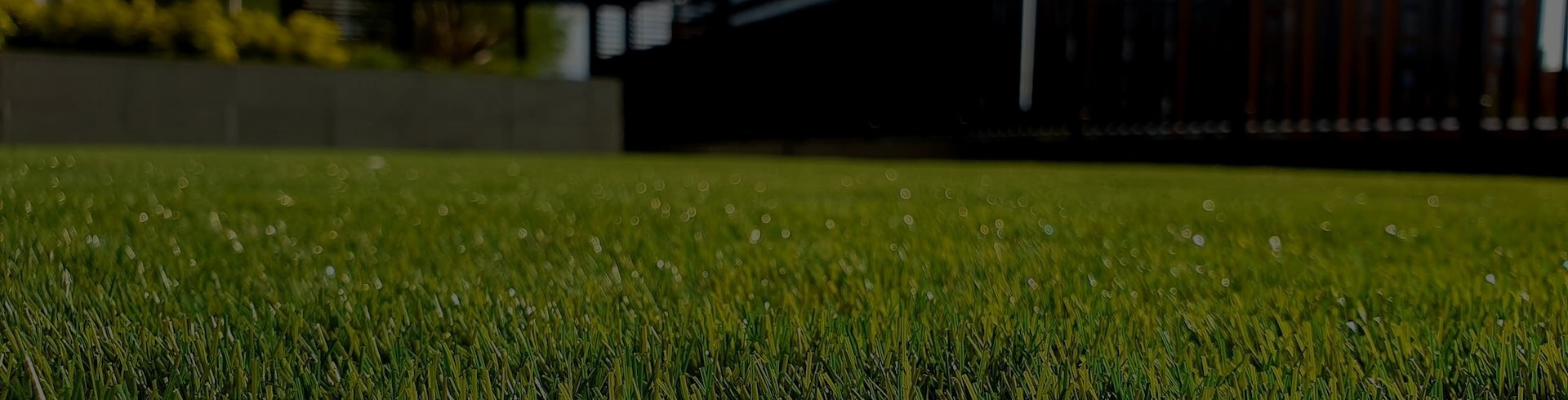
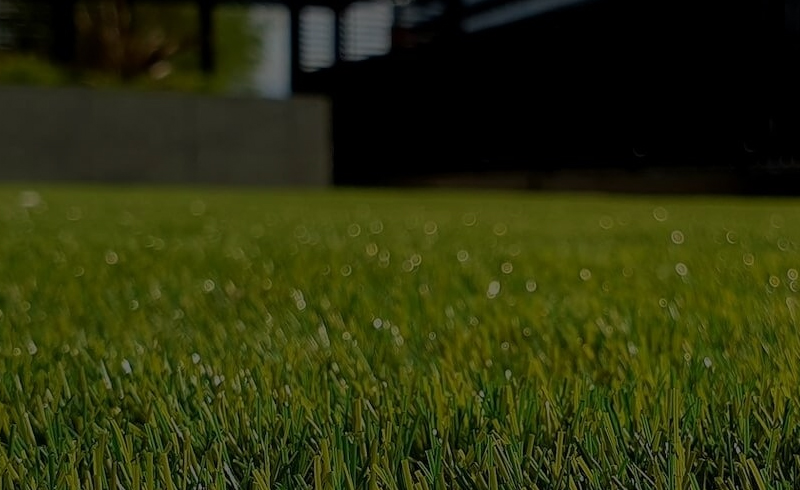
Artificial turf has revolutionized modern landscaping, offering a lush green appearance year-round without the hassles of natural grass maintenance. Whether for residential gardens, sports fields, or commercial spaces, artificial turf provides an eco-friendly solution that conserves water while maintaining visual appeal. In this comprehensive guide, we explore its key advantages, proper installation techniques, and essential care tips to help you make informed decisions for your outdoor spaces.
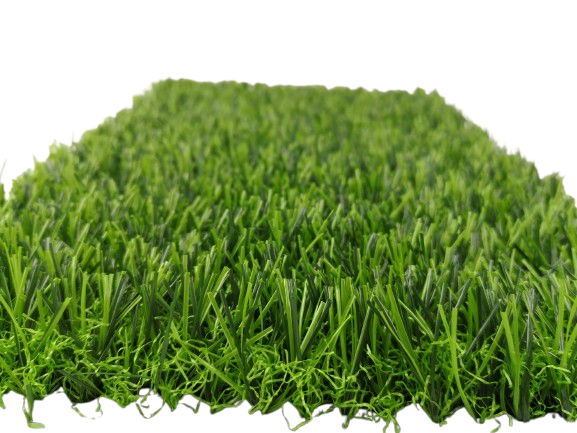
Why Choose Artificial Turf?
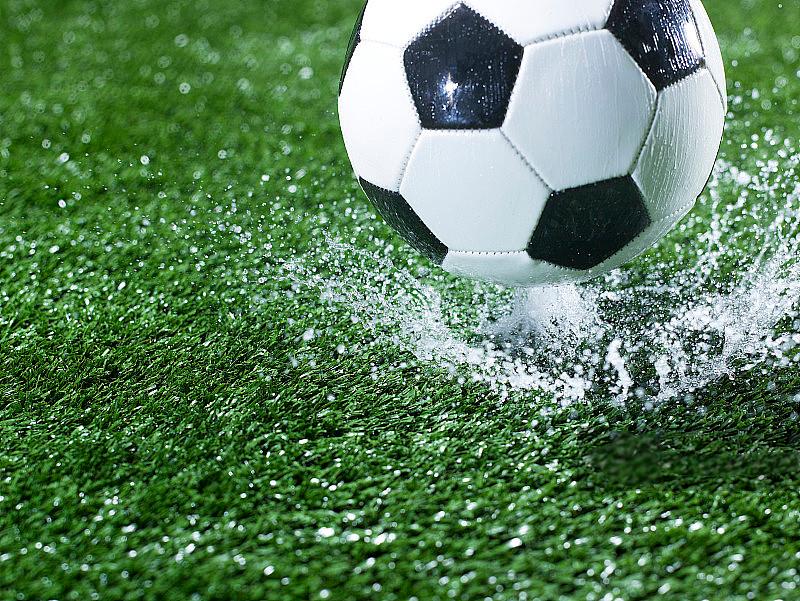
Homeowners and businesses increasingly opt for synthetic grass due to its durability and cost-effectiveness. Unlike natural lawns, it requires no watering, mowing, or fertilizers, making it ideal for drought-prone regions. Advanced UV-resistant materials ensure color retention for 8-15 years, even in harsh sunlight. For sports facilities, specialized turf systems enhance player safety with shock-absorbent layers while maintaining consistent playability.
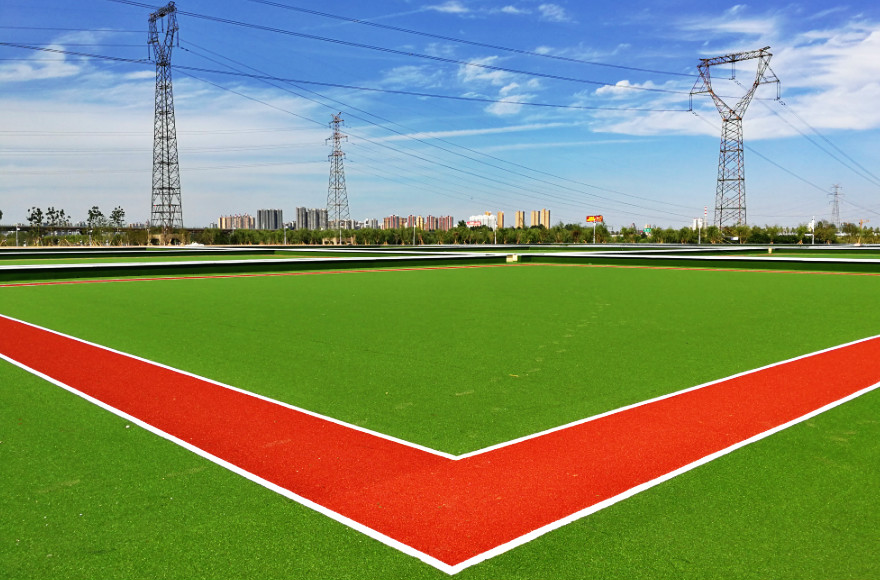
Professional Installation Matters
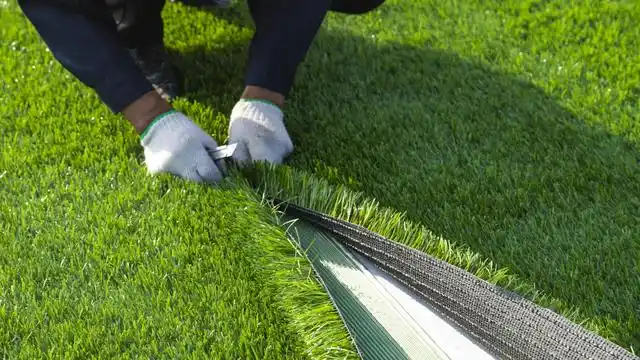
Proper installation determines long-term performance. Our team recommends starting with soil excavation and adding a compacted base layer for drainage. Skilled technicians then secure turf rolls using seaming tape and adhesive, ensuring seamless joins. For optimal results, pair your artificial turf installation with efficient irrigation planning to prevent water pooling.
Low-Effort Maintenance Tips
While synthetic grass eliminates weekly mowing, occasional brushing and rinsing preserve its pristine look. Remove debris with a leaf blower, and treat stains using mild detergents. For high-traffic areas, consider professional synthetic grass maintenance services to reinforce infill levels and inspect seams annually.
From enhancing curb appeal to creating safer play areas, artificial turf delivers unmatched versatility for modern landscapes. Explore our premium synthetic grass collectionto discover customizable solutions for your project. With proper care and expert installation, you'll enjoy a vibrant, low-maintenance outdoor space that stands the test of time.
September is a peak month for bulk purchasing by overseas distributors; with the long winter holiday season approaching, many clients place their artificial turf orders during this time.
September is a peak month for bulk purchasing by overseas distributors; with the long winter holiday season approaching, many clients place their artificial turf orders during this time.
September is a peak month for bulk purchasing by overseas distributors; with the long winter holiday season approaching, many clients place their artificial turf orders during this time.
September is a peak month for bulk purchasing by overseas distributors; with the long winter holiday season approaching, many clients place their artificial turf orders during this time.
September is a peak month for bulk purchasing by overseas distributors; with the long winter holiday season approaching, many clients place their artificial turf orders during this time.