News Center
Shandong Zhensure New Materials Technology Industry Co., Ltd.


 TEL:+86 19953115220


Maintenance:
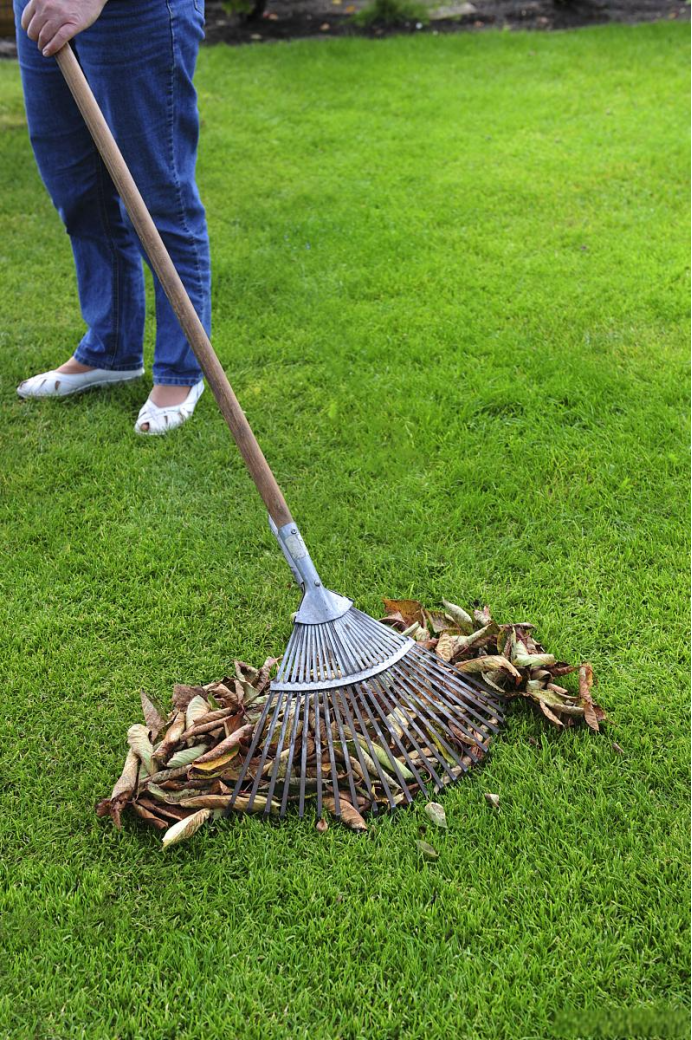
1, cleaning and maintenance: the sports lawn can be cleaned with a vacuum cleaner or rake after the game, the use of artificial turf special brush once every two weeks to comb the grass silk and remove debris, monthly or frequent after the game with a rake to smooth the quartz sand or rubber particles, dust can be manually washed or washed by rain.
2, stain treatment: "water" oil can be scrubbed with soapy water and washed with clean water; Solid oil stains such as shoe polish and sunblock oil can be wiped with a sponge dipped in perchloroethylene. Fungus or mildew spots can be wiped with 1% hydrogen peroxide solution and then washed with water.
3, keep drainage smooth: regularly clean up garbage, fallen leaves and other debris, prevent blocking the drainage system, regularly check the drainage system, to prevent water affecting the life of the lawn.
4, away from open flame and high temperature: although the materials used in our lawn are flame retardant materials, it is still necessary to stay away from open flame and high temperature to prevent the lawn from melting.
Construction precautions:
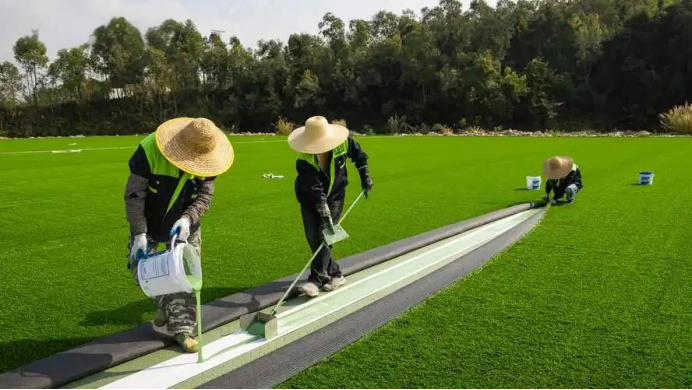
1, foundation treatment: the foundation can be selected from the ash soil, asphalt or cement concrete material, each has its flatness, strength and slope requirements, such as cement concrete foundation flatness pass rate should be above 95%, 5 meters straightener error does not exceed 3mm.
2. Laying process: It is prohibited to wear spikes with a length of ≥5mm on the lawn to exercise violently, all motor vehicles are prohibited to drive on the lawn, and heavy objects are avoided for a long time.
3, the construction environment: the construction temperature should be selected between 5℃-35℃ in spring, early summer, late summer and autumn, to avoid construction in windy days, rainy days, midsummer and winter, so as not to affect the health of workers and the life of the lawn.
September is a peak month for bulk purchasing by overseas distributors; with the long winter holiday season approaching, many clients place their artificial turf orders during this time.
September is a peak month for bulk purchasing by overseas distributors; with the long winter holiday season approaching, many clients place their artificial turf orders during this time.
September is a peak month for bulk purchasing by overseas distributors; with the long winter holiday season approaching, many clients place their artificial turf orders during this time.
September is a peak month for bulk purchasing by overseas distributors; with the long winter holiday season approaching, many clients place their artificial turf orders during this time.
September is a peak month for bulk purchasing by overseas distributors; with the long winter holiday season approaching, many clients place their artificial turf orders during this time.