News Center
Shandong Zhensure New Materials Technology Industry Co., Ltd.


 TEL:+86 19953115220


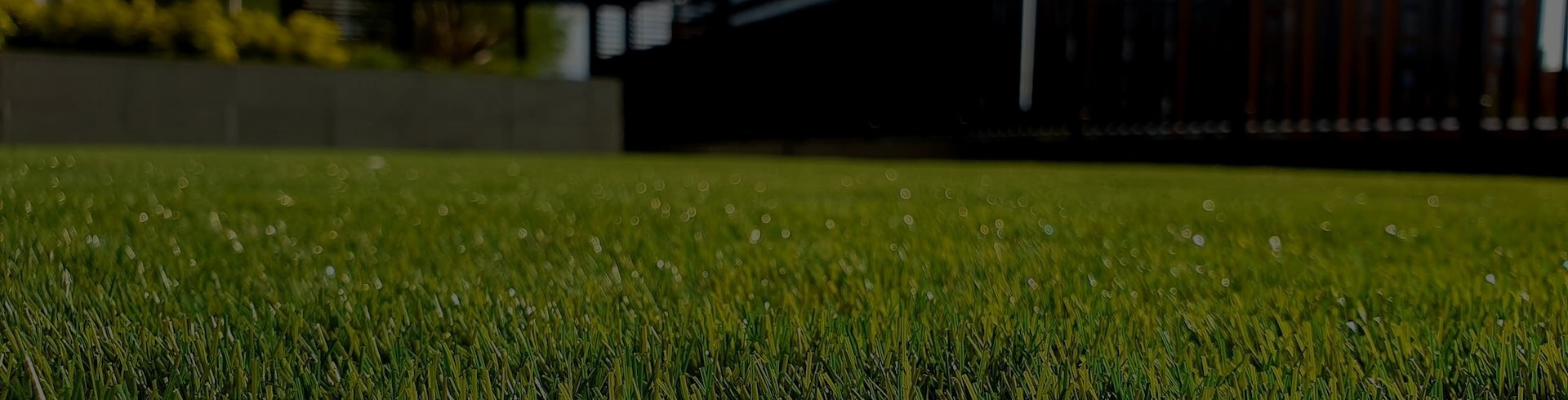
The current status of the artificial turf industry is mainly reflected in the technical level, market application, and competitive landscape.
Technical level
The technical level of artificial turf is mainly reflected in the production process, weaving technology, and product performance of artificial grass silk. Artificial grass silk is divided into open mesh silk and monofilament in structure, and straight silk and bent silk in appearance. The production process is extrusion of grass silk. According to the different application fields and user groups, artificial turf products have different specifications for grass silk in terms of version and weight to ensure that the grass silk has good performance. In terms of weaving technology, it mainly includes tufting technology and warp knitting technology. Tufting technology forms a turf embryo blanket by weaving grass silk into the yarn guide tube on the base cloth, while warp knitting technology directly weaves grass silk with polyester to form a turf embryo blanket.
Market application
Artificial turf is widely used in sports, landscape and leisure fields due to its evergreen, all-weather, low maintenance cost, environmental health and excellent performance. Specific applications include sports venues such as football and tennis courts, as well as leisure places such as courtyards, swimming pools, hotels, and airports. In addition, artificial turf is not affected by weather and seasons, has a long service life, is easy to maintain, is environmentally friendly, and has low maintenance costs, which further expands its application range.
Competitive landscape
At present, China's artificial turf production capacity occupies an important position in the global industry. We have mastered the production process of artificial turf and can better match market demand.
September is a peak month for bulk purchasing by overseas distributors; with the long winter holiday season approaching, many clients place their artificial turf orders during this time.
September is a peak month for bulk purchasing by overseas distributors; with the long winter holiday season approaching, many clients place their artificial turf orders during this time.
September is a peak month for bulk purchasing by overseas distributors; with the long winter holiday season approaching, many clients place their artificial turf orders during this time.
September is a peak month for bulk purchasing by overseas distributors; with the long winter holiday season approaching, many clients place their artificial turf orders during this time.
September is a peak month for bulk purchasing by overseas distributors; with the long winter holiday season approaching, many clients place their artificial turf orders during this time.